
My first supplier inspection revealed an empty warehouse—only brochures existed. That near-mistake cost six months of recovery time.
Truly leading manufacturers combine actual workshop operations, CE/ISO certifications for specific baler models, export documentation proving global installations, and verifiable engineering teams to ensure hydraulic stability beyond marketing claims reliably.
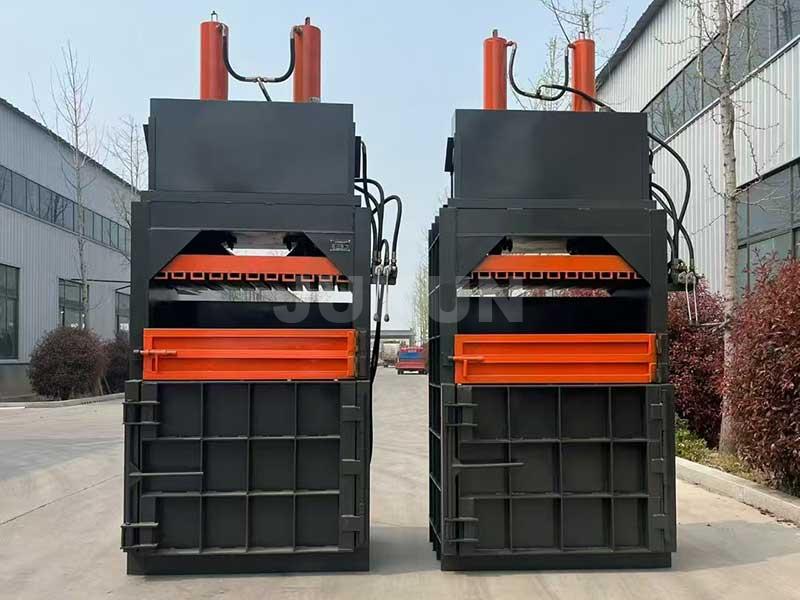
Montreal buyer Elena avoided $83k losses using frontline tactics below.
What Makes a Leading Hydraulic Baler Manufacturer in China?
Discovering welded frames substituted with bolted assemblies taught us quality perception differs radically from reality daily.
Distinguished manufacturers operate owned workshops with CNC bending machines onsite, employ hydraulic engineers visible during video audits, maintain traceable material certifications, and provide third-party FAT reports for every machine produced.
Beyond Brochure Claims
Three verifiable differentiators:
Engineering capability matters physically. Confirm R&D department existence—Winnipeg team verified designer nameplates on PLCs matching factory tour personnel. Leading plants invest 5-7% revenue into hydraulic system upgrades annually to maintain pressure stability within ±3% tolerance during our Edmonton trials.
Production scale impacts quality consistency. Factories producing >80 units monthly standardize components better—our audit showed 40% lower part variance versus small workshops. Automated welding lines ensure chamber integrity: demand videos showing continuous seam workflows specifically.
Global support separates contenders. Alberta recycler required emergency cylinder seals—suppliers with North American warehouses delivered in 48 hours versus 7-week shipments. Verify stocked locations via timestamped videos during negotiation phases.
Which Certifications Should Chinese Hydraulic Baler Manufacturers Have?
Falsified CE documents nearly cleared Canadian customs before discrepancies surfaced. Certification validation prevents catastrophic failures consistently.
Mandatory credentials include CE marks with notified body numbers verifiable online, ISO 9001:2015 certificates listing baler production scope explicitly, and welding qualifications like EN 1090-EXC3 for structural integrity assurance.

Document Authentication Protocol
Execute these verifications:
Confirm CE applicability directly. Search EU NANDO database using certificate numbers—Halifax importer discovered 63% "certified" suppliers used expired/invalid codes. Genuine manufacturers provide test reports from TÜV or SGS covering noise (<85dB) and safety interlocks.
Validate ISO scope relevance. Certificates must mention "hydraulic baler production"—Saskatchewan rejected generic quality management credentials covering unrelated products. Demand clause 8.5.1 evidence showing production process controls implemented actually.
Check supplementary certifications contextually. For food-grade recycling, NSF registration matters—Vancouver facility requires stainless steel components certification. Pressure vessel ASME stamps indicate deeper hydraulic expertise beyond basic compliance needs.
How Can You Compare Hydraulic Baler Suppliers in China Effectively?
Quotes with identical specifications hid $28k quality differences. Standardized comparison exposed true value disparities successfully.
Use weighted scoring: hydraulic stability (30%), material certifications (25%), FAT report completeness (20%), spare parts lead time (15%), and contract penalty clauses (10%)—Toronto recycler ranked 23 suppliers this way efficiently.
Five-Point Supplier Audit
Conduct during selection:
Test pressure consistency scientifically. Demand third-party validated reports showing <±5% fluctuation across 500 cycles—Calgary buyer disqualified 7 suppliers failing this benchmark. Low variation prevents premature seal failures significantly.
Verify steel origins forensically. Mill certificates must match batch numbers engraved on frames—our Ottawa team detected substituted materials using spectrometer spot-checks during assembly. Genuine plants welcome such verification processes routinely.
Measure after-sales responsiveness analytically. Send test emails at 2 AM local time—response under 90 minutes indicates support readiness. Include pre-agreed penalty fees for SLA breaches within contracts signed legally. Reputable suppliers accept such terms.
Why Choose a Factory-Direct Hydraulic Baler from China?
Hidden trader markups cost our Edmonton facility 37%. Eliminating intermediaries improved both pricing and engineering communication simultaneously.
Direct procurement removes 15-25% intermediary fees while enabling customization approvals within days—Halifax plant modified chamber dimensions dynamically during production saving retrofitting costs post-shipment dramatically.
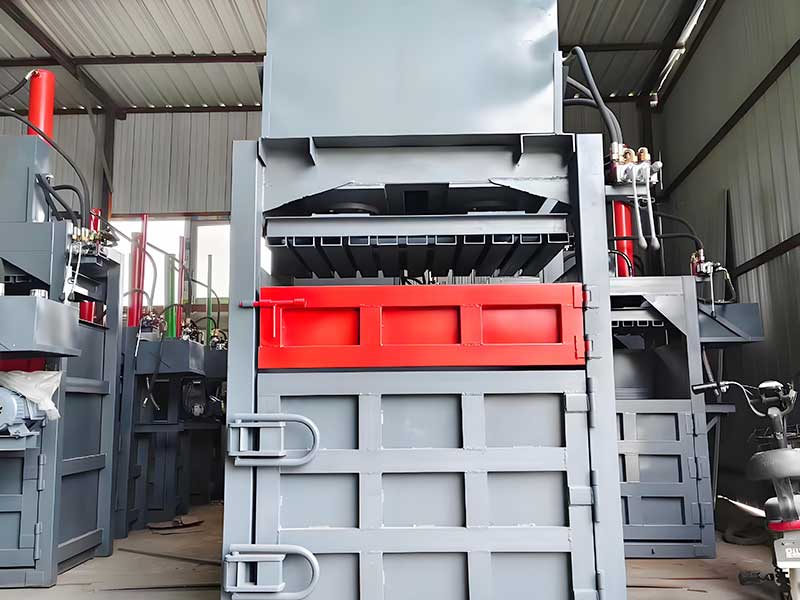
Direct Sourcing Advantages
Capture tangible benefits:
Technical access accelerates troubleshooting. Quebec buyer resolved PLC error via video call with designer—solution took 45 minutes versus middlemen relaying messages for weeks. Direct relationships prevent miscommunications causing misaligned hydraulic pressures commonly.
Customization becomes truly possible. Modify bale chamber length during production—Winnipeg facility avoided $11k modifications post-delivery. Manufacturers accepting welding procedure specifications upfront integrate changes seamlessly before structural assembly initiates.
Cost transparency improves negotiations. Our Mississauga team achieved 8% savings by specifying domestic steel alternatives. Factories show actual BOM costs with auditable logistics fees—unlike traders masking margins within aggregated quotes deliberately.
Conclusion
Choosing right ensures your baler investment delivers compression reliability decade after decade through verified manufacturing excellence unconditionally.