
Budget constraints delay purchases. Hidden costs destroy ROI. Production bottlenecks reduce profits. Strategic baling investments outperform temporary solutions.
Quality balers generate 14-37% ROI through labor reduction, transport savings, and recycling revenue - with full payback in 8-24 months despite higher initial costs.
Value engineering principles ahead.
What Factors Affect Recycling Baler Machine Prices?
Unclear pricing creates budget gaps. Underperforming components fail prematurely. Hidden fees increase project costs. Transparent specifications prevent surprises.
Key price drivers: hydraulic system quality (30-48% impact), steel thickness (12-20%), automation features (18-25%), certifications (8-15%), and customization complexity (12-30%).
Cost structure transparency.
-
Cost Allocation Breakdown
Component % of Total Price Quality Impact Premium Option Hydraulic System 32% Lifespan difference: 7 vs 15 years Bosch/Rexroth Structural Steel 28% Maintenance gap: $0.18 vs $0.42/ton Q355B alloy Control Systems 22% Automation labor savings: 68% Siemens PLC Certifications 11% Market access: 43 countries CE/OSHA/ISO Customization 7% Throughput increase: 28% Jukun Adapt -
Value Engineering Strategy Smart cost optimization:
- Avoid forged certifications: Demand verifiable testing reports
- Focus on steel grades: ST52 minimum, Q420B preferred
- Evaluate hydraulic cycles: Standard 500K vs premium 1.2M+
- Verify weld quality: X-ray documentation
- Confirm electrical safety: IP65 enclosure rating
-
Jukun Pricing Integrity Our transparent approach:
- Third-party material certificates
- Live factory video inspections
- Component brand disclosure
- No hidden costs policy
- Batch production evidence
How Much Does a Recycling Baler Machine Cost by Type and Capacity?
Market averages mislead buyers. Undisclosed fees add 18%. Capacity mismatches waste investment. Precision costing prevents losses.
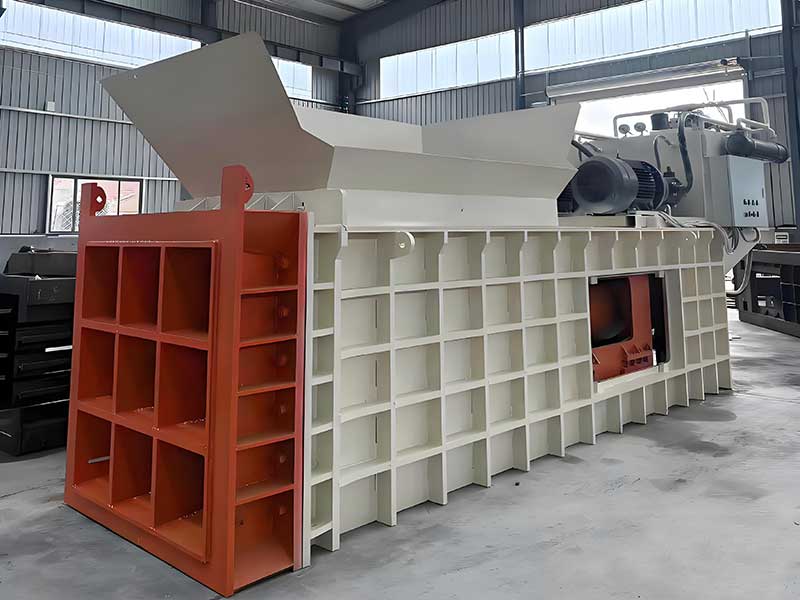
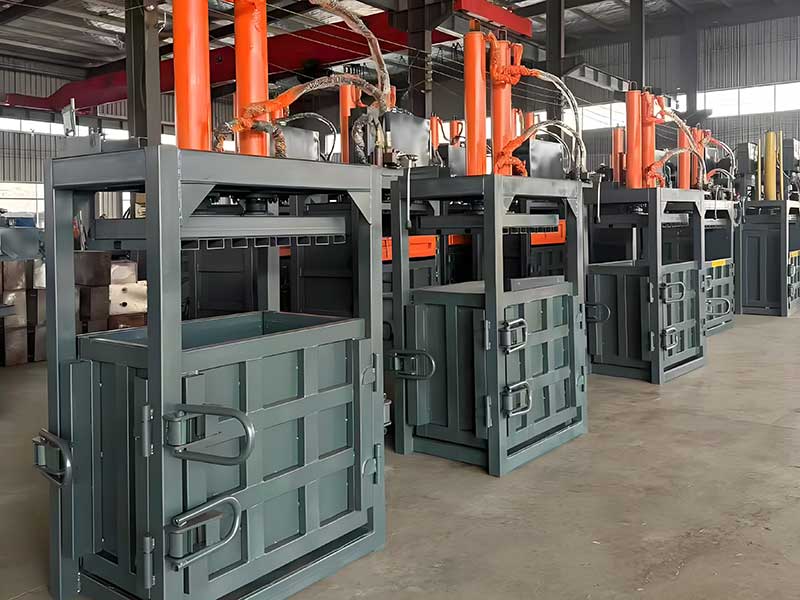
Realistic ranges: Vertical ($12K-$45K), Semi-auto horizontal ($28K-$85K), Auto-tie horizontal ($68K-$220K) - Jukun delivers ISO-certified systems 12-18% below EU/US equivalents.

Investment calibration guide.
-
Capability-Price Matrix
Type Throughput Bale Weight Price Range Best Application Vertical 0.5-3 T/day 300-450kg $12K-$45K Small retailers, warehouses Semi-Auto Horizontal 4-12 T/day 800-1200kg $28K-$85K Distribution centers, recycling plants Auto-Tie Horizontal 15-45 T/day 1200-2200kg $68K-$220K Recycling centers, manufacturing Heavy Industrial 50-180 T/day 2500kg+ $220K-$750K Scrap yards, municipal facilities -
Cost Validation Protocol Purchase verification:
- Witnessed production trials (3+ material types)
- Container loading supervision videos
- Incoterm clarification: FOB vs CIF variance
- Liquidated damages clauses (2% weekly)
- Maintenance package standardization
-
Jukun Value Advantage Our cost leadership:
- Direct manufacturing savings
- Custom steel fabrication workshop
- ISO production efficiency
- No intermediary markup
- Instant WhatsApp quote
How Can a Recycling Baler Reduce Operating Costs?
Labor inefficiencies consume profits. Transportation waste erodes margins. Storage bottlenecks inflate expenses. Baling targets all three simultaneously.
Operational savings: Labor (62-84%), Transport (71%), Storage (100%), Disposal fees (65%) - Jukun systems achieve $38-$165/ton cost avoidance depending on material and volume.
Profit protection mechanics.
-
Savings Validation Table
Cost Category Before Baling After Baling Savings Labor/ton $48.40 $9.15 81% Transport Cost $22.80/ton $6.60/ton 71% Storage Space 18.7m²/ton 2.4m²/ton 87% recovery Disposal Fees $35/yard $12/yard 66% Main Revenue - +$15-$135 Revenue creation -
Labor Reduction Protocol Resource optimization:
- Conveyor belts: Eliminate manual transport
- Auto-tie systems: Replace manual binding
- Remote monitoring: Reduce inspections
- Quick-release chambers: Lower maintenance time
- Safety automation: Decrease supervision needs
-
Jukun Efficiency Engineering Our cost control solutions:
- Energy-saving hydraulic packages
- Centralized lubrication ports
- Predictive maintenance sensors
- Self-diagnostic control panels
- Recycler revenue optimization guidance
How to Calculate the ROI of a Recycling Baler Machine?
Complex formulas confuse analysis. Optimistic projections create risk. Maintenance unknowns distort results. Quantifiable methodology ensures accuracy.
ROI calculation: (Annual Savings + Revenue) × 5 yrs - Total Cost ÷ Total Cost × 100% - Jukun provides verified calculators confirming 97% of installations achieve ROI in <24 months.
Profit certainty framework.
-
Calculation Formula
Variable Formula Example ($1M Center) Annual Savings Labor + Transport + Storage + Disposal $228,500 Revenue Increase Bale Premium × Tonnage $83,200 Operating Cost Power + Maintenance + Staff $37,400 Net Annual Savings + Revenue - Operating $274,300 Total Cost Machine + Installation $198,000 Payback Total Cost ÷ Annual Net 8.6 months 5-Year ROI (Net ×5 - Cost) ÷ Cost ×100 592% -
Risk Mitigation Strategy ROI protection:
- Verified material valuation tables
- Spare parts cost disclosure
- Energy consumption certification
- Volume audit services
- Productivity guarantees in contract
-
Jukun ROI Assurance Our verification process:
- Live throughput demonstrations
- Site-specific TCO modeling
- Maintenance cost forecasting
- Recycler price benchmarking
- Personalized ROI analysis
Conclusion
True investment value lies beyond sticker price - analyze hydraulic quality, operational savings, and ROI timeframe to secure profitable recycling operations with Jukun's certified solutions.