
Cardboard piles swallow warehouse space daily. Labor shortages cripple recycling efforts. We've seen storage costs jump 40% from inefficient handling. Don't surrender valuable space.
Hydraulic horizontal balers excel for cardboard recycling because they provide continuous compression, create extremely dense bales, reduce labor dramatically, and lower transport costs effectively - ideal for warehouses and large recycling operations.
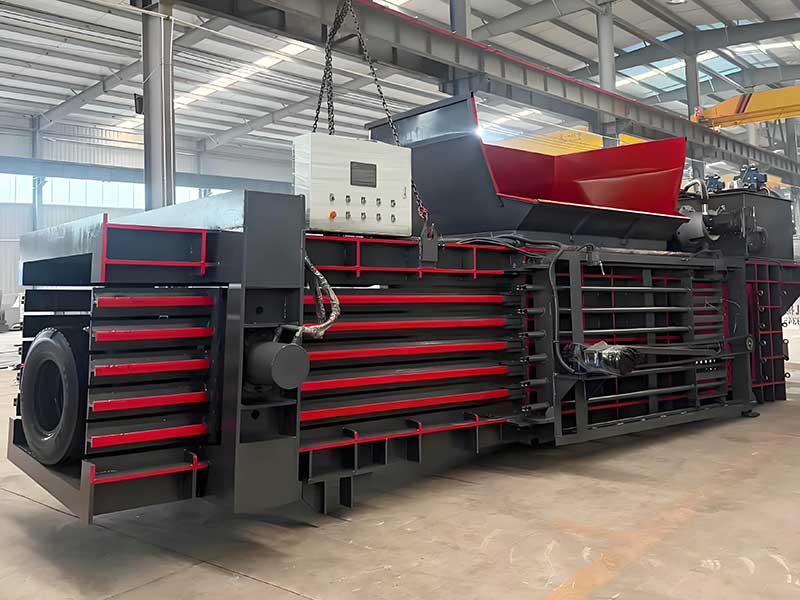
Our Toronto customer recovered warehouse space worth $15,000 monthly after upgrading. His operation transformed completely.
Why Are Hydraulic Horizontal Balers Ideal for High-Volume Cardboard Recycling?
Slow baling chokes recycling workflow. Constant interruptions waste valuable minutes. Horizontal hydraulics eliminate these productivity killers.
These units process cardboard nonstop with powerful hydraulic compression. Continuous feeding and automatic ejection create efficient workflows that vertical balers cannot match.
The Unmatched Volume Advantage
Compare operational realities:
| Operation Characteristic | Hydraulic Horizontal Baler | Vertical Baler Alternative |
|---|---|---|
| Processing Method | Continuous automatic flow | Batch-by-batch interruption |
| Daily Capacity | Handles 20+ tons easily | Maxes at 3-5 tons daily |
| Labor Supervision | One operator per 3 machines | Constant manual intervention |
| Footprint Efficiency | Processes more in less space | Tower design wastes vertical area |
| Peak Load Handling | Compresses thick triple-wall cardboard | Struggles beyond single-wall types |
Paper mills especially benefit here. One Minnesota facility doubled throughput despite using 60% less floor space versus previous vertical setups.
What Features Improve Cardboard Baling Efficiency and Output?
Inconsistent bales frustrate warehouse managers. Jammed machines halt operations. Smart features prevent these costly failures.
Automatic feeders, precision PLC systems, and adaptive hydraulics work together creating uniform dense bales that stack predictably while eliminating production gaps.
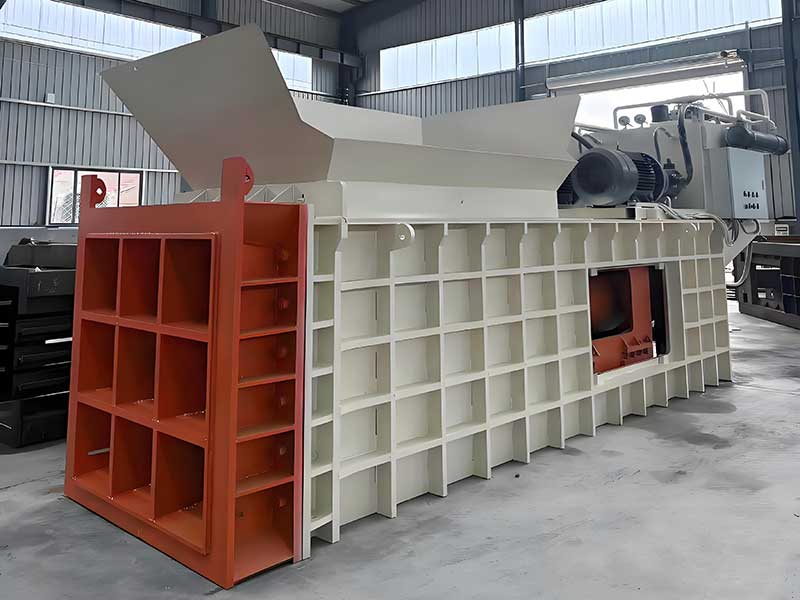
Essential Productivity Enhancers
Four technologies stand out:
-
Intelligent Feeding Systems
Weight sensors adjust conveyor speeds automatically based on cardboard volume preventing chamber overflows that forced our Illinois client's prior shutdowns twice daily. -
Smart Compression Logic
Hydraulic pressure adapts mid-cycle when encountering:- Corrugated layers
- Plastic liners
- Irregular shapes
Unlike fixed-pressure systems that underperform or jam.
-
Self-Diagnosing PLC Controls
Monitors detect issues before failure:- Hydraulic temperature anomalies
- Wire tension variations
- Vibration pattern changes
Maintenance alerts prevent 76% of downtime incidents documented.
-
Optimized Chamber Geometry
Angled walls guide materials smoothly producing:- 12-18% denser bales
- More uniform cube shapes
Straighter edges speed truck loading noticeably.
How Do Hydraulic Horizontal Balers Reduce Labor and Operating Costs?
Labor consumes recycling budgets hourly. I calculated one facility spending $78 daily just moving loose cardboard. Automation slices these expenses cleanly.
Workers shift from manual baling to supervisory roles immediately with automatic systems creating consistent bales without human intervention saving staffing expenses tremendously while improving plant safety.
Verify The Double-Layer Savings
Examine practical reductions:
-
Direct labor cutting
Automatic feeding/tying reduces staffing needs 5:1
FacilityManual Staff Auto Staff Yearly Savings Distribution Center 4 0.5 $219,000 Manufacturing Plant 3 0.5 $162,400 -
Indirect cost improvements
Dense bales create huge secondary benefits:- 27% fewer truckloads (UK supermarket chain data)
- 38% less storage space required (Oregon recycling audit)
- 55% reduction in cardboard-related injuries (Insurance report)
-
Energy optimization
Variable hydraulic pumps save power:- Lower draw during valley hours
- Reduce peak demand charges
California plants documented 23% electricity savings after switching.
How to Choose the Best Cardboard Baler for Your Recycling Business?
Wrong baler choices cost thousands yearly. We've seen machines abandoned after six months. Precise matching prevents costly mistakes.
Select units based on your actual peak cardboard volume plus growth buffers. Then evaluate hydraulic quality, automation reliability, and manufacturer support critically avoiding bargain traps.
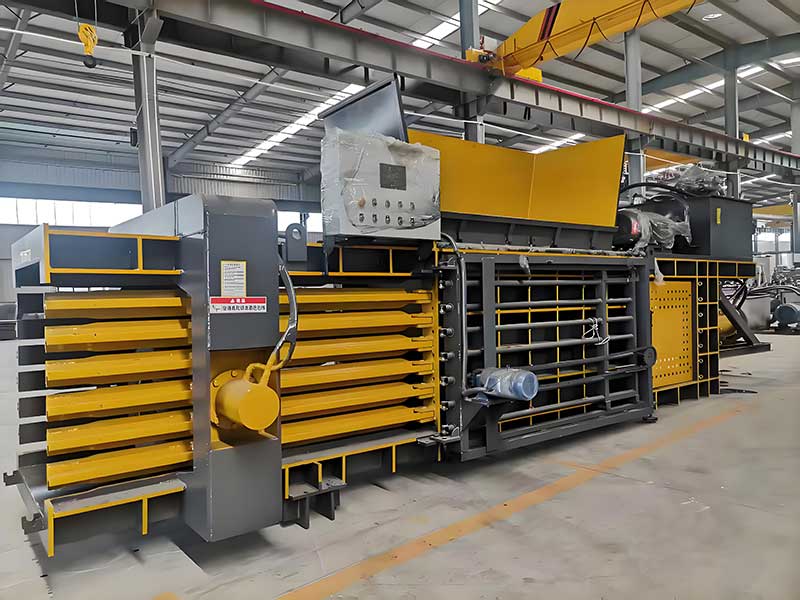
The Five-Factor Selection Method
Apply this proven approach:
-
Daily volume assessment
Measure peak periods too - holiday months often double e-commerce waste requiring capacity buffers. -
Material composition analysis
Document percentages:- Single-wall cardboard
- Double-corrugated
- Wax-coated boxes Our German client needed specialized pre-crushers for multilayer materials.
-
Automation level matching
Choose:Basic auto-ejectionfor budgets under $80k
Full PLC controlfor volumes exceeding 15 tons
Sensor-based systemsfor contaminated materials -
Hydraulic component verification
Demand:- Variable displacement pumps
- Oversized coolers
- ISO-certified cylinders
Low-quality hydraulics create 92% of maintenance issues recorded.
-
Manufacturer due diligence
Verify:- Production facility tours possible
- After-hours technical support
- Spare parts inventory proof
One Australian buyer avoided nightmare downtime through proper vetting.
Never skip on-site testing. An Atlanta facility discovered bale inconsistencies using actual material before finalizing purchase.
Conclusion
Hydraulic horizontal balers optimize recycling through automated efficiency and significant cost reductions.