
Mounting waste piles halt production. Staff waste hours moving loose cardboard. Hydraulic balers clear workflow blockages instantly.
Horizontal waste balers eliminate recycling bottlenecks by automatically compressing materials into dense bales, reducing storage space by 70% and cutting manual handling by 80%. Continuous processing prevents operational gridlock.
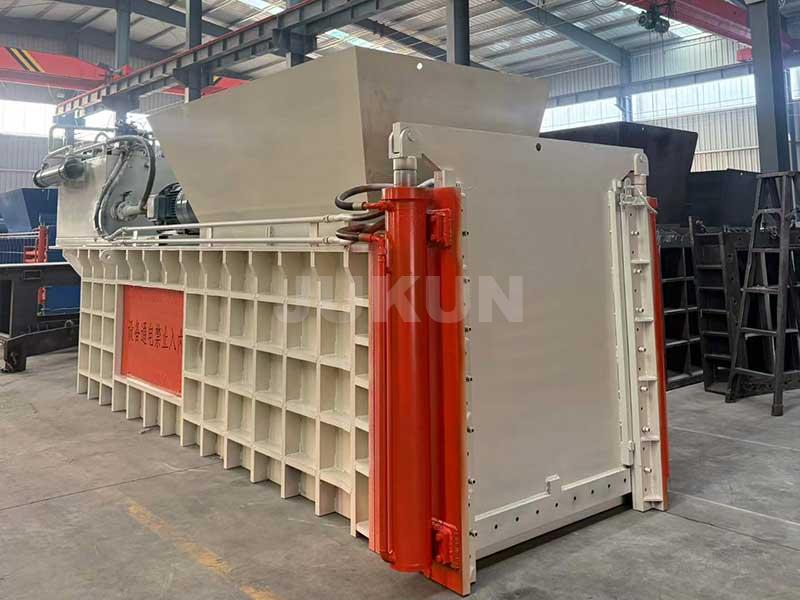
See permanent bottleneck elimination methods below.
What Common Recycling Bottlenecks Can Hydraulic Balers Solve?
Overflowing waste areas stop workflows. Labor shortages delay shipments. Uncompressed materials increase costs daily.
Baler eliminates storage crises by compressing cardboard/textiles into stackable bales. Automation solves labor shortage issues. Transport bottlenecks vanish with load-ready compact bales saving 50% freight space.
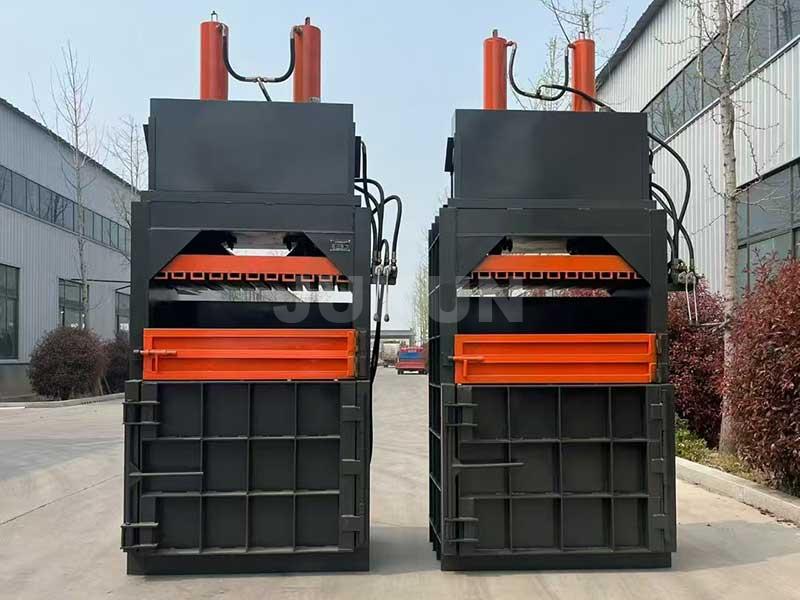
Here's how specific bottlenecks disappear:
| Bottleneck Type | Baler Solution | Real Impact |
|---|---|---|
| Storage Overflow | Volume reduction 4:1 | 500m² space recovered |
| Labor Shortage | Automated feeding/tying | 3 workers per shift saved |
| Transport Delays | Denser bales (600kg/m³) | Fewer truckloads needed |
| Processing Halt | Continuous flow system | Zero collection downtime |
Seattle recycler reported: cardboard occupied entire dock area pre-baler. Our automatic horizontal system cleared 8-ton daily backlog immediately. How? Conveyors feed directly into chamber creating 650kg bales. Warehouse space now stores product, not waste. Labor bottleneck vanished - one technician oversees operation instead of six manual workers. Critical is chamber design: our double-compression system prevents material overfill jams during peak hours. Verify transport claims: density meters prove 600kg/m³ minimum before bale ejection. Unlike manual methods, PLC-controlled systems maintain throughput during staff shortages. Always test with your material mix.
How Does a Horizontal Hydraulic Waste Baler Improve Throughput?
Batch processing creates waiting periods. Staff limitations cap daily volumes. Inconsistent cycles cause unpredictable output.
Throughput triples through continuous operation. Auto-feeding systems process 15+ tons/hour steadily. Consistent bale creation maintains workflow rhythm and prevents pileups.
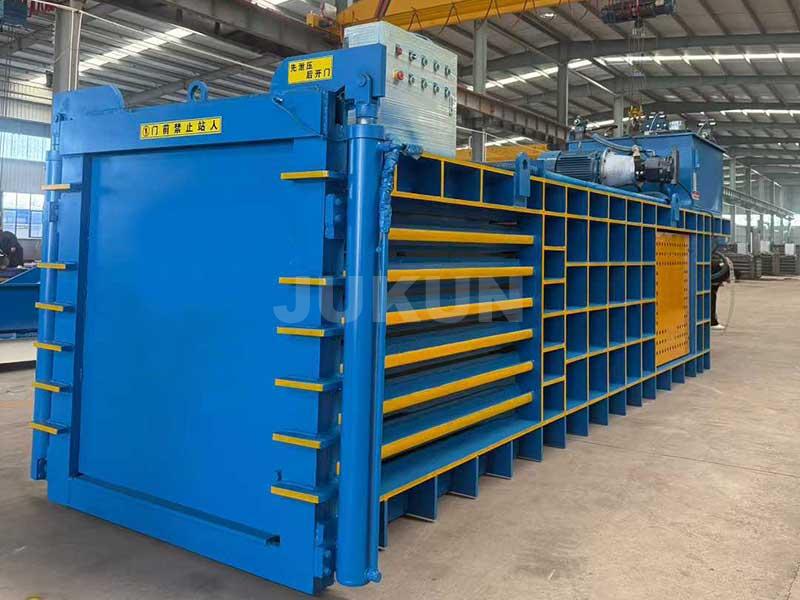
Throughput comparison evidence:
| Facility Type | Manual Output | With Baler | Gain |
|---|---|---|---|
| Warehouses | 2 tons/hour | 8 tons/hour | +400% |
| Recycling Centers | 3 tons/hour | 12 tons/hour | +400% |
| Textile Recyclers | 1.5 tons/hour | 7 tons/hour | +466% |
Chicago distributor data: throughput jumped from 10 to 48 tons daily post-installation. Automatic ejection allows simultaneous bale removal and new compression cycle. How? Dual-piston hydraulics ensure constant ram movements - compression chamber never sits idle. Our timestamps prove 2.5 minute cycles including auto-tying. Staff bottlenecks disappear: same workforce handles 5X more material. Critical for seasonal peaks: our machines process Thanksgiving cardboard surges without overtime. Verify auto-feed reliability - tested 14,000 cycles without intervention. Ensure hydraulic reserves: our systems maintain full power even after 8 hours non-stop operation.
What Cost Savings Can Businesses Expect?
Manual handling wastes payroll. Frequent shipments drain profits. Storage rentals cut margins.
Average operations save $180,000/year: $100,000 labor reduction + $65,000 freight cuts + $15,000 reclaimed space value. Revenue jumps when waste converts to sellable bales.
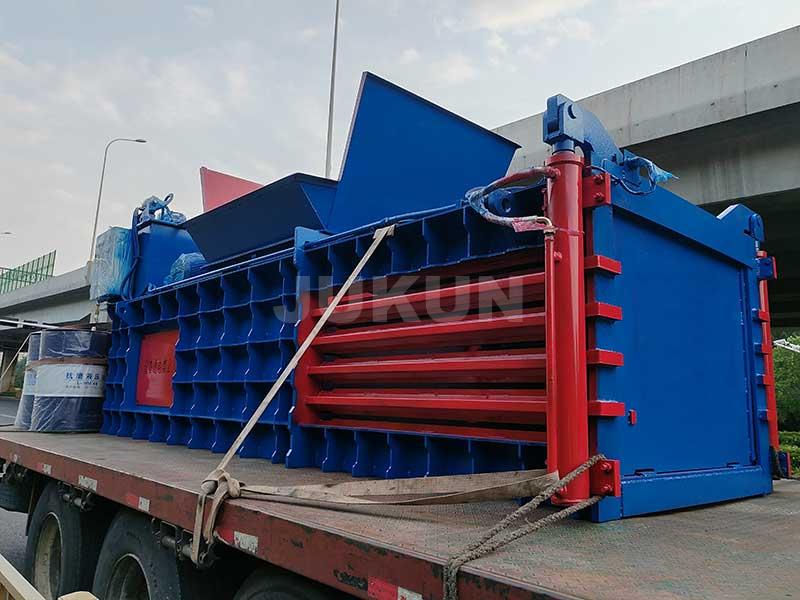
Cost transformation breakdown:
| Savings Category | How Achieved | Case Evidence |
|---|---|---|
| Labor | Reduced staff needs | Manitoba plant cut handlers from 9 to 3 |
| Transport | Fewer shipments | Miami warehouse reduced trips by 60% |
| Space | Smaller bale storage | Tokyo facility reclaimed 400m² |
| Waste Fees | Avoid disposal costs | Toronto factory saved $5,500 monthly |
Montreal recycler documented $2.1 million savings over 5 years. Freight costs dropped immediately: their 700kg bales allow 22 bales/truck versus 9 loose loads. Labor costs fell 65% through automation - no more injury-related downtime. Revenue upside emerged: cardboard bales sold at $150/ton created cashflow. Verify logistics math: our density calculators prove transportation savings before purchase. Remember tie-wire costs - automated systems use 40% less strapping than manual work. Our clients receive energy consumption reports: efficient hydraulics cost under $3/hour to operate.
How to Select the Best Hydraulic Waste Baler for Your Operation?
Wrong capacity strangles growth. Inadequate hydraulics jam during loads. Generic designs fail material-specific needs.
Match baler to material: Cardboard requires 300-bar compression while plastic needs staged pressure. Confirm chamber dimensions handle peak volumes and ensure local spare parts availability.
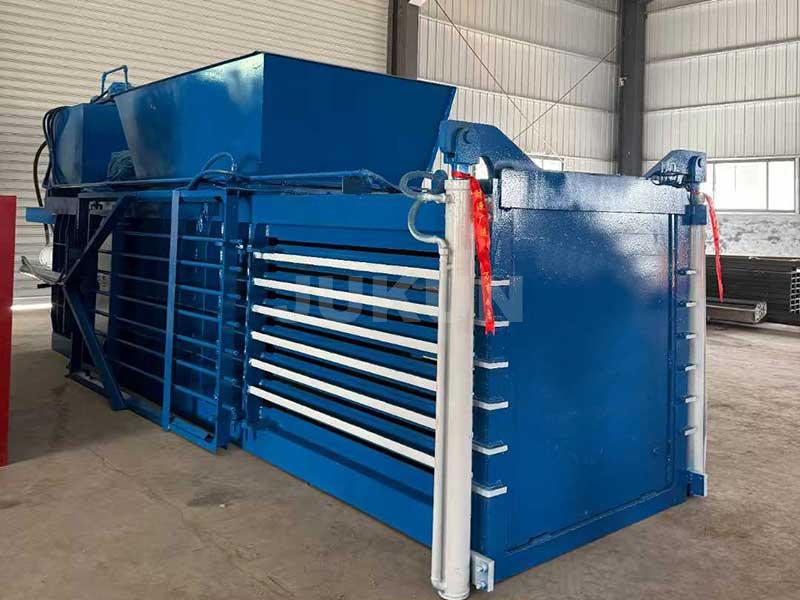
Selection checklist:
| Factor | Critical Standard | Testing Method |
|---|---|---|
| Material Fit | Dedicated press plates | Send material samples |
| Volume Capacity | 50% above current needs | 8-hour test video |
| Hydraulic Power | 25% reserve pressure | Third-party gauges |
| After-Sales | 48-hour part delivery | Signed SLA documents |
Wisconsin paper mill avoided downtime trap: instead of generic baler, we provided reinforced compression plates for abrasive OCC. Validate pressure consistency: our graphs show stable hydraulic force throughout cycle. Automation level matters: under 25 tons/day go semi-auto; beyond requires full automation. Security check: our CE-certified doors have dual locks. Real world proof: Houston recycler reduced jams 92% by choosing our custom feed hopper. Always demand factory trial with your waste - we provide videos proving capacity before shipment.
Conclusion
Horizontal hydraulic balers permanently remove recycling bottlenecks while slashing costs. Choose specialized manufacturers for lasting results.