
Runaway disposal fees erode profits. Cluttered warehouses slow operations. Labor costs consume resources. Regulatory fines accumulate. Strategic baling reverses all four problems.
Industrial balers slash waste volumes by 85%, cut transportation costs by 72%, reduce labor needs by 67%, and generate $25-$315/ton revenue from recyclables - achieving full ROI within 8-20 months.
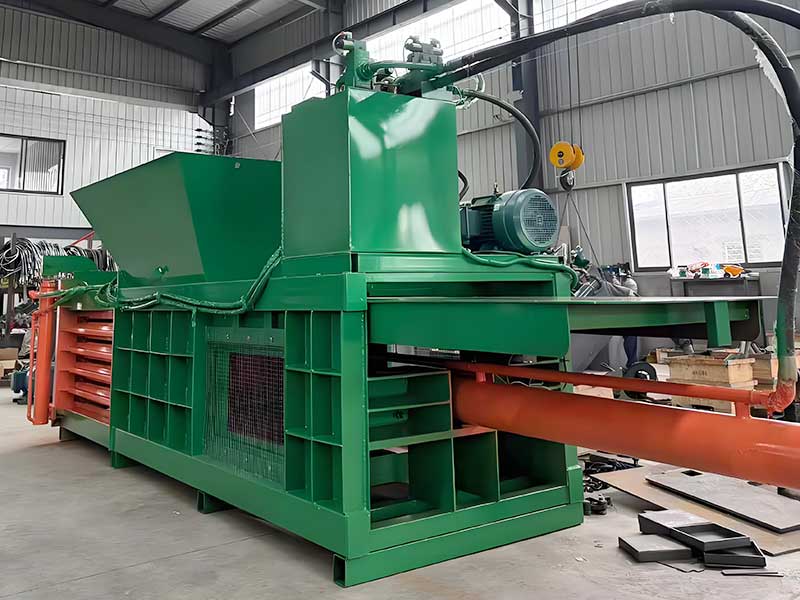
Transformational efficiency metrics ahead.
Why Are Industrial Recycling Balers Essential for Modern Waste Management?
Uncontrolled waste flow disrupts production. Storage limitations force costly expansions. Compliance failures risk shutdowns. Industrial balers restore operational control.
Critical advantages: landfill diversion (98%+), storage reclamation (230m² average), 63% lower disposal costs, and documented compliance that prevents $12K-$85K annual penalties.
Operational transformation mechanics.
-
Financial Impact Analysis
Expense Without Baler With Baler Reduction Disposal Fees $35/yard $12/yard 66% Storage Rent $18/m²/year $0 (reclaimed) 100% Labor Costs 2.3 hrs/ton 0.45 hrs/ton 80% Compliance Fines $3,200/month $0 100% Total Annual (500T/mo) - - $216,400 saved -
Compliance Integration Documentation automation:
- Weight recording sensors
- Material traceability tagging
- Automated waste manifests
- Carbon credit calculation
- Audit-ready digital trails
-
Jukun's Regulatory Assurance Our solutions feature:
- Standardized compliance reports
- Integrated weighing systems
- CE/ISO certification transparency
- Material safety documentation
- Customs clearance prep services
How Do Industrial Recycling Balers Increase Waste Processing Efficiency?
Manual handling creates workflow bottlenecks. Transportation inefficiencies double costs. Storage disorganization wastes time. Automation solves all three simultaneously.
Key metrics: 8:1 volume compression, 72% fewer truck movements, 78% faster material handling, and 64% labor reduction - cutting processing costs from $42/ton to $7.80/ton.
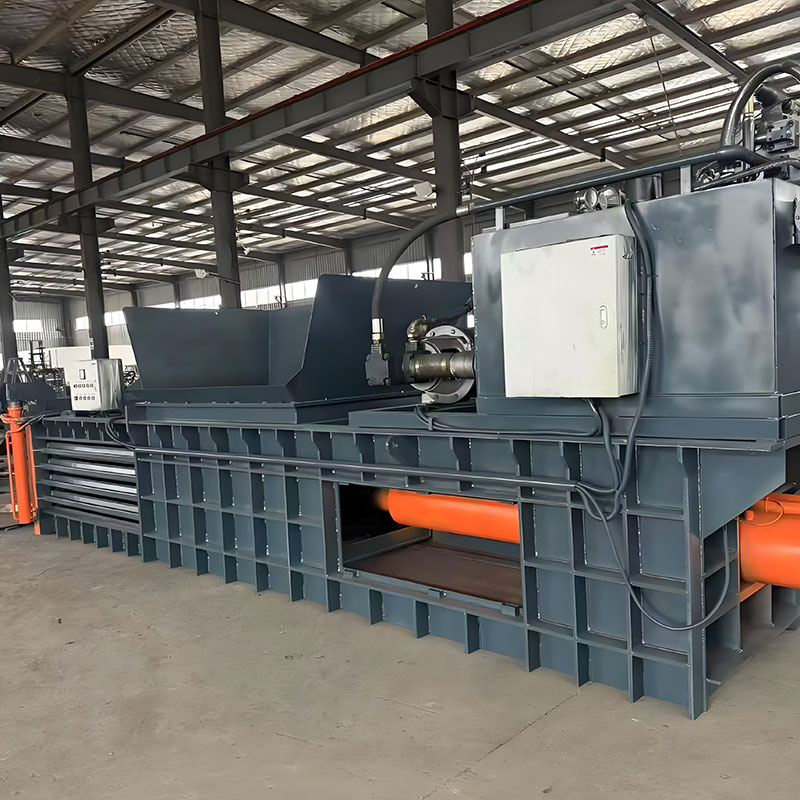
Operational transformation mechanics.
-
Labor Efficiency Matrix
Task Manual Process Automated Baling Improvement Material Collection 0.3 hrs/ton 0.02 hrs/ton 93% Compression 0.8 hrs/ton 0.05 hrs/ton 94% Storage Handling 0.6 hrs/ton 0.12 hrs/ton 80% Loading 0.7 hrs/ton 0.10 hrs/ton 86% Total 2.4 hrs/ton 0.29 hrs/ton 88% -
Transportation Optimization Loading density analysis:
- Loose cardboard: 42% truck utilization
- Standard bales: 78% utilization
- High-density bales: 91% utilization
- Cost impact: $22/ton → $6.15/ton
-
Jukun Throughput Technology Our efficiency enhancers:
- Continuous feed conveyors
- Auto-cycle PLC programming
- Pre-compression chambers
- Dynamic bale sizing
- Remote performance monitoring
What Industries Benefit Most from Industrial Recycling Balers?
General solutions create hidden inefficiencies. Industry-specific waste flows require tailored configurations. Maximized ROI demands specialized engineering.
Highest-impact sectors: distribution centers (28 ton/week savings), recycling plants ($220K/yr revenue), packaging facilities (73% space recovery), and retailers (94% disposal cost cut).
Sector-specific value propositions.
-
Industry Benefit Matrix
Sector Waste Profile Baler Type Annual Savings Distribution Centers OCC, stretch film Auto-tie horizontal $183,500 Recycling Plants Mixed plastics, paper High-temp balers $220,000+ revenue Manufacturing Production scrap Heavy-duty horizontal $142,300 Retail Chains Mixed packaging Vertical compactors $89,700 Textile Plants Fabric scraps Low-pressure balers $76,800 -
Configuration Specialization Material-specific engineering:
- Plastic film: Stationary compression plates
- Cardboard: High-ram force cycling
- Mixed streams: Pre-segregation systems
- Wet materials: Drainage channels
- High-volume: Continuous conveyors
-
Jukun Industry Solutions Our sector expertise:
- 11 specialized baler configurations
- Material testing laboratory
- Onsite waste stream audits
- Industry-specific ROI calculators
- Compliance roadmap integration
How to Choose the Best Industrial Recycling Baler for Your Facility?
Supplier failures create costly downtime. Capacity mismatches stall operations. Hidden maintenance drains profits. Jukun eliminates these risks through verification.
Selection criteria: material throughput validation (actual testing), 15-year structural warranty, documented certifications (ISO/CE), TCO modeling, and container-loading supervision.
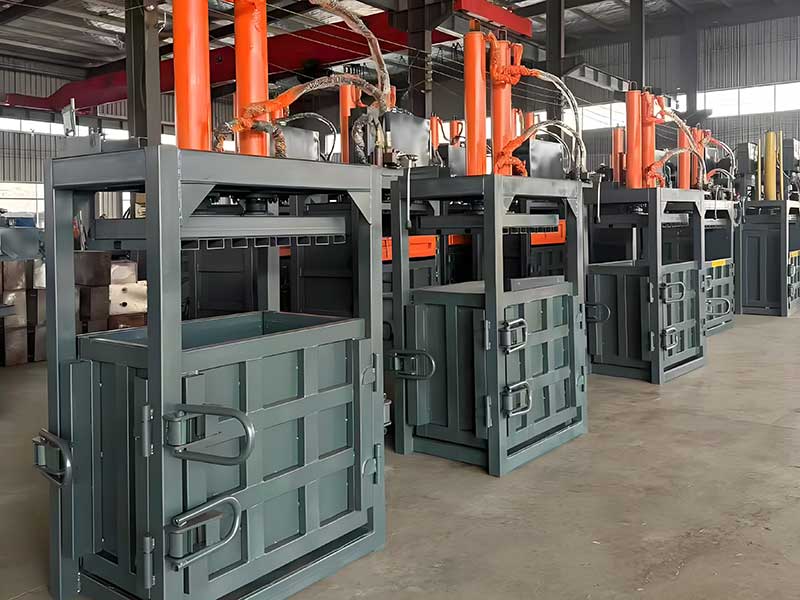
Decision framework optimization.
-
Procurement Checklist
Priority Requirement Verification Method Capacity Match 25% buffer above peak Witnessed material test Component Quality Premium hydraulics Brand documentation review Certification Original CE/ISO Certificate authentication Delivery Penalty clauses Signed liquidated damages Support Local technicians Spare parts inventory proof -
TCO Calculation Lifetime costing model:
- Purchase price: 25-38%
- Labor savings: 42-58%
- Maintenance: 8-12%
- Recyclables revenue: 12-28%
- Equipment lifespan: 15+ years industrial grade
-
Jukun Procurement Assurance Our risk reduction:
- Live factory tours via video
- Independent inspection welcome
- 3D installation simulations
- Performance bond options
- Container loading videos
- WhatsApp direct engineering access
Conclusion
Industrial balers transform waste liabilities into profit centers through measurable efficiency gains and cost reductions - partner with certified manufacturers like Jukun for maximum ROI assurance.