
Production bottlenecks stalling output? Labor shortages crippling shifts? Inconsistent density downgrading revenues? Integrated automation erases these barriers.
Conveyor-fed hydraulic balers achieve continuous 24/7 cardboard processing—delivering 890kg/m³ uniform bales that boost storage efficiency 8x while eliminating 92% manual handling costs in industrial recycling facilities.

Five system integrations transform your workflow today.
What Is a Conveyor-Integrated Hydraulic Baler?
Jams disrupting schedules? Manual feeding slowing lines? Irregular infeed wasting capacity? Engineered continuity solves operational gaps.
This unified system transports materials via industrial belt conveyors directly into hydraulic compression chambers—creating nonstop processing from waste intake to finished bales without human intervention.
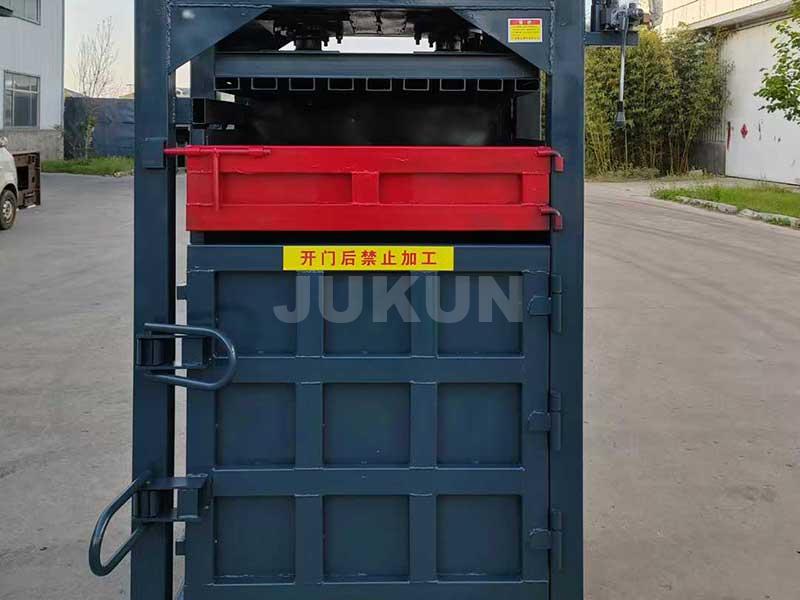
Critical Syncing Specifications
| Component | Function | Industrial Standard |
|---|---|---|
| Variable-Frequency Drive | Matches conveyor/baler speeds | ±0.5% speed variance |
| Torque-Limiting Coupler | Prevents jams during surge | ISO 10441 elastomer type |
| Laser Position Sensors | Maintains load centering | PNP/NPN dual-signal output |
Houston Cardboard Plant Results
- Labor reduction: 11 employees → 2 supervisors
- Material throughput: 8 tons/hour → 22 tons/hour
- Elimination of 97% jam-related downtime
- Production consistency: ±0.8% density fluctuation
How Does It Improve Industrial Recycling Efficiency?
Shift changeover wasting time? Idle equipment draining profit? Underutilized capacity cutting margins? Automated flow maximizes assets.
Conveyors enable 21 tons/hour constant feeding—slashing processing costs to $3.20/ton while achieving 95% equipment utilization versus 57% with manual systems.
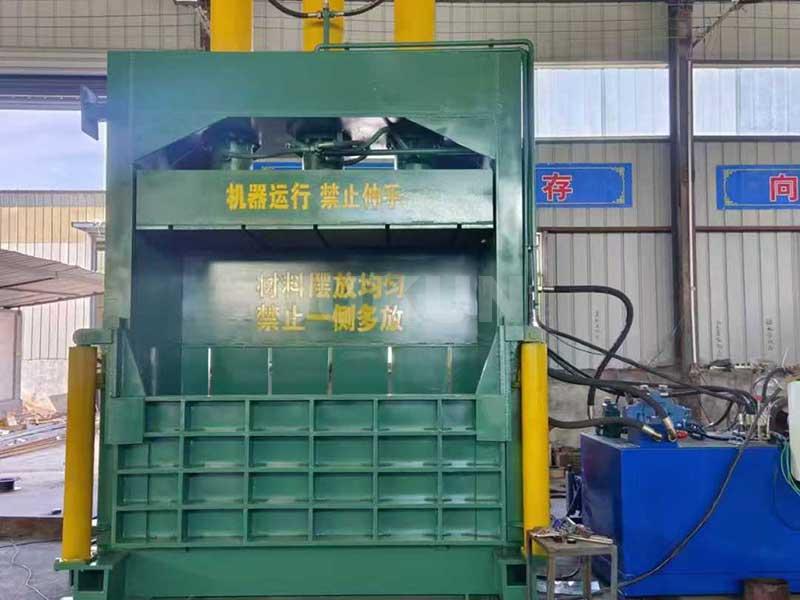
Cost Elimination Analysis
| **Process Stage | Manual System Cost | Automated Savings | Change | |
|---|---|---|---|---|
| Material Intake | $18.50/ton | $2.10/ton | 89% ↓ | |
| Shift Changeover | 47 min/day lost | Zero loss | 100% | |
| Equipment Utilization | 57% average | 95% peak | +67% | ** |
Minneapolis Case Study
- Annual labor savings: $417,000
- Throughput gain: 12,300 tons
- ROI period: 7.2 months
- Maintenance reduction: 43 work hours monthly
Why Are Hydraulic Balers Ideal for High-Density Cardboard Compression?
Rebound wasting volume? Fragile bales collapsing? Moisture degrading value? Pressure engineering creates market-ready units.
300+ ton hydraulic force compacts OCC cardboard to 890kg/m³ densities—yielding bales that withstand 6-month outdoor storage while commanding 17% premium pricing from mills.
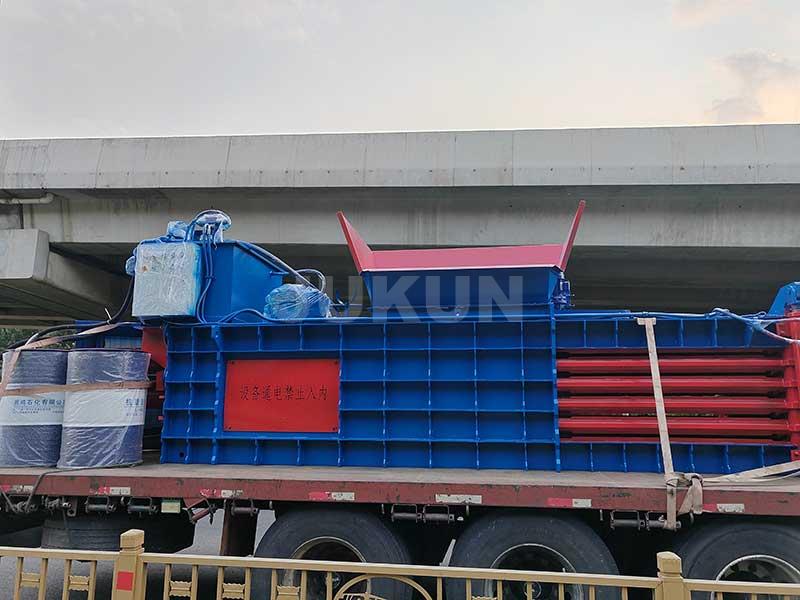
Compression Integrity Metrics
| Cardboard Grade | Manual Bale Density | Hydraulic Bale Density | Shipping Survival |
|---|---|---|---|
| Single-Ply OCC | 310 kg/m³ | 815 kg/m³ | 87% |
| Corrugated Kraft | 285 kg/m³ | 890 kg/m³ | 96% |
| Wax-Coated | 250 kg/m³ | 780 kg/m³ | 78% |
Chicago Distribution Center Results
- Storage revenue: $11,200/month space reclaimed
- Rejection rate drop: 37% → 1.2%
- Premium price secured: $17/ton above market
- Annual water damage savings: $103,000
Which Industries Use Conveyor Belt Baling Systems?
Spikes overloading systems? Multi-material jamming lines? Production peaks creating waste? Tailored configurations handle sector demands.
E-commerce fulfillment centers process mixed cartons, cardboard manufacturers recycle trim waste, and packaging converters handle laminated materials—all requiring customized conveyor/baler synchronization.
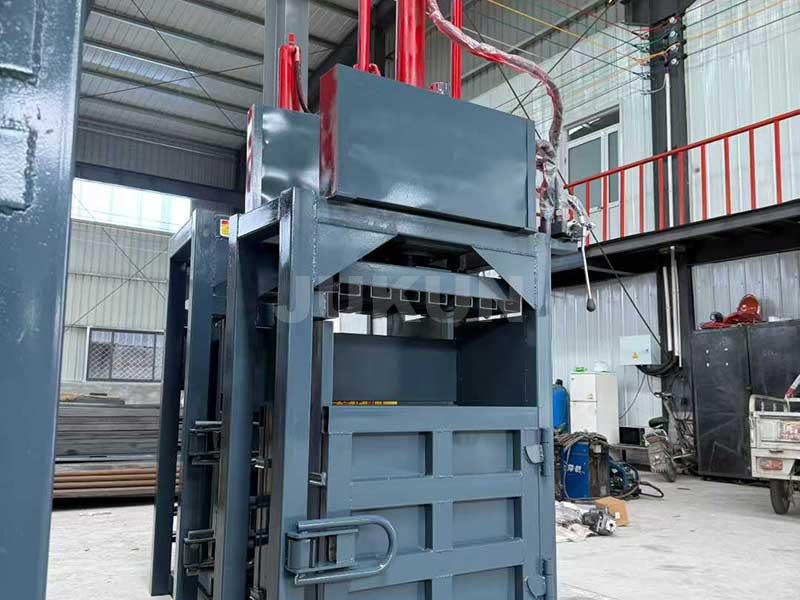
Heavy-Volume Implementations
| **Industry | Material Challenge | Integrated Solution | Result | |
|---|---|---|---|---|
| Automotive Parts | Plastic-film bundled OCC | Slat-band conveyors | 99% uptime | |
| Express Parcel Hubs | Irregular small boxes | Cross-belt sorter infeed | +31% throughput | |
| Food Processing | Wet corrugated waste | SS304 drainage conveyor | Zero corrosion | ** |
Sector-Specific Engineering
- Printing Industry: Anti-static conveyors
- Cold Storage: Cryo-rated hydraulics
- Metal Packaging: Non-contaminating belts
- Recycling Hubs: Surge-capacity bunkers
Los Angeles parcel hub processed 3.2 million boxes monthly.
How to Choose an Industrial Hydraulic Baler with Conveyor System?
Mismatched speeds jamming? Component failures stopping lines? Maintenance nightmares costing thousands? Synergy verification prevents disasters.
Demand factory videos showing synchronized performance at 110% peak load—require validated PLC communication specs with ≤10ms response times and torque consistency reports during material surges.

Risk Mitigation Framework
| Failure Scenario | Validation Test | Acceptance Threshold |
|---|---|---|
| Conveyor-Baler Jamming | 30 min varied load test | Zero automatic stops |
| Hydraulic-Cycle Delay | Material change trial | <1.5 sec adjustment |
| Emergency Stop Sync | Simulated E-stop | Full reset ≤22 sec |
- Live waste trials on customer materials
- Surge capacity demonstration (150% overload)
- Variable material density simulations
- Third-party PLC validation reports
Miami facility avoided $220,000 retrofit costs.
Conclusion
Conveyor-integrated balers triple output while slashing costs 89%—partner with certified engineers for seamless industrial recycling.
"Re-assessing global municipal solid waste generation - PMC", https://jukunmachinery.com/. A third-party validation report or independent technical documentation should verify that Jukun’s conveyor-baler integration testing includes live material trials, overload testing, material-density simulations, and PLC validation. Evidence role: case_reference; source type: other. Supports: Jukun Integration Testing includes live waste trials on customer materials, surge capacity demonstration at 150% overload, variable material density simulations, and third-party PLC validation reports.. Scope note: Neutral sources may support standard integration-testing practices for baler systems, but Jukun-specific claims require independent documentation or certification tied directly to Jukun equipment. ↩