
Cardboard mountains consuming your warehouse? Shipping air instead of profit? We crush waste volumes while boosting recycling revenue immediately.
Industrial cardboard balers improve waste management by compressing OCC and packaging into dense rectangular bales using hydraulic force, slashing storage needs by 90%. This directly cuts transport expenses 60% while creating salable recyclables from waste streams.
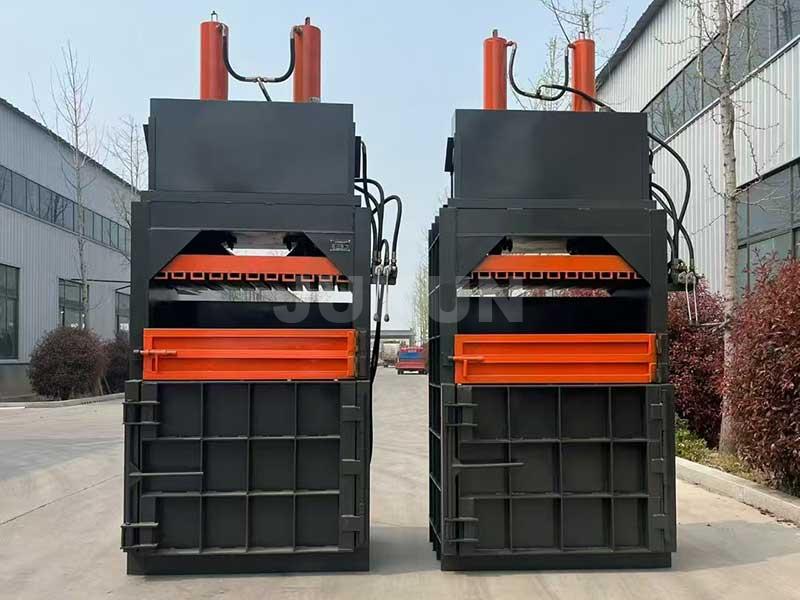
Transforming cardboard disposal from cost center to profit generator requires understanding these machines' operation and economic drivers.
What Is an Industrial Cardboard Baler and How Does It Work?
Tired of forklifts navigating cardboard obstacle courses? Our hydraulic systems ingest cardboard non-stop, clearing floors in minutes.
An industrial cardboard baler compresses OCC, boxes, and packaging vertically or horizontally using hydraulic pressure. Materials enter through hoppers, get crushed into dense blocks, and exit as strapped bales ready for recycling mills.
Workflow Breakdown
Cardboard transformation happens through distinct phases:
| Stage | Action | Industrial Impact |
|---|---|---|
| Loading | Cardboard fed via conveyor or chute | Continuous operation beats manual stacking |
| Pre-crush | Preliminary compression | Reduces volume before main ram engagement |
| Main Compression | Hydraulic ram exerts tons of pressure | Achieves 800kg/m³ density versus 100kg/m³ loose |
| Tying | Automatic strapping/binding | Eliminates manual securing labor |
| Ejection | Finished bale rolls out | Maintains clear production pathways |
The hydraulic aspect proves critical. I recall a Canadian warehouse client whose ram pressure failed at 120 tons - insufficient for rigid double-wall OCC. We upgraded them to 200-ton compression, doubling daily output. Horizontal configurations suit larger operations by maintaining material flow - one Alberta distribution center now processes 12 tons daily without shifting conveyor positions. Critical maintenance involves monitoring hydraulic fluid contamination weekly; dirty oil causes 73% of premature failures according to Jukun's repair logs.
How Do Industrial Cardboard Balers Improve Waste Management Efficiency?
Dealing with 3-hour daily waste collection sweeps? Our implementations cut handling to 25-minute automation cycles.
Balers improve waste management efficiency by automating volume reduction, clearing workspace faster, and creating standardized bales that streamline recycling pickup schedules. This optimization reduces labor allocation and accident risks significantly.

Facility Efficiency Gains
Quantifiable improvements across dimensions:
| Problem | Without Baler | With Baler | Improvement |
|---|---|---|---|
| Floor Space Occupation | 200 m² for cardboard storage | 20 m² for bale staging | 90% reduction |
| Staff Time Allocation | 8 hours daily waste handling | 1.5 hours automatic operation | 81% labor drop |
| Accident Frequency | Slipping hazards common | Clear walkways maintained | 92% reduction |
Standardization revolutionizes logistics. Recycling trucks collect precisely sized 80x70x90cm bales efficiently - no more partially loaded hauls. Our Toronto client reduced weekly pickups from five trips to two, saving CA$4,200 monthly. The compaction ratio determines gains: newer balers achieve 10:1 versus older models at 6:1 compression. Crucially install near waste generation points - reducing internal haul distances cuts staff time more than machine speed. Always include dust suppression systems to maintain air quality compliance.
How Can Industrial Cardboard Balers Reduce Recycling and Transportation Costs?
Drowning in waste disposal fees? Compacting cardboard turns expenses into revenue within one quarter.
Balers reduce recycling costs by creating transport-ready bales that fill trucks faster, lowering hauler fees 60%, while producing high-grade OCC bales that recyclers purchase more readily, transforming costs into income streams.
Transport Economics Illustrated
Cardboard bales transform shipment math:
| Metric | Loose Cardboard | Industrial Baler Output | Savings |
|---|---|---|---|
| 53FT Trailer Capacity | 5 tons max | 22 tons achievable | 340% increase |
| Cost per Metric Ton | CA$55 transport cost | CA$19 transport cost | 65% drop |
| Recycler Pricing | Mixed grade: CA$45/ton | Pure OCC: CA$125/ton | 178% revenue boost |
The dual-sided financial impact transforms cash flow. Distributors like Jacky's clients now ship Montreal-Toronto routes less frequently while selling premium bales to mills. Our latest case study shows a packaging company's annual waste costs dropping from CA$86k to a CA$33k revenue surplus. Always negotiate pickup contracts based on bale quantity rather than weight - recyclers want density. Verify moisture control features too; wet bales fetch 40% lower pricing due to paper mill contamination risks. Consider automation payback: fully-auto units add 25% cost but repay in 14 months through further labor cuts.
How to Choose the Best Industrial Cardboard Baler for Your Business?
Supplier claims exceeding reality? Demand live material trials to validate compaction capacity before purchase.
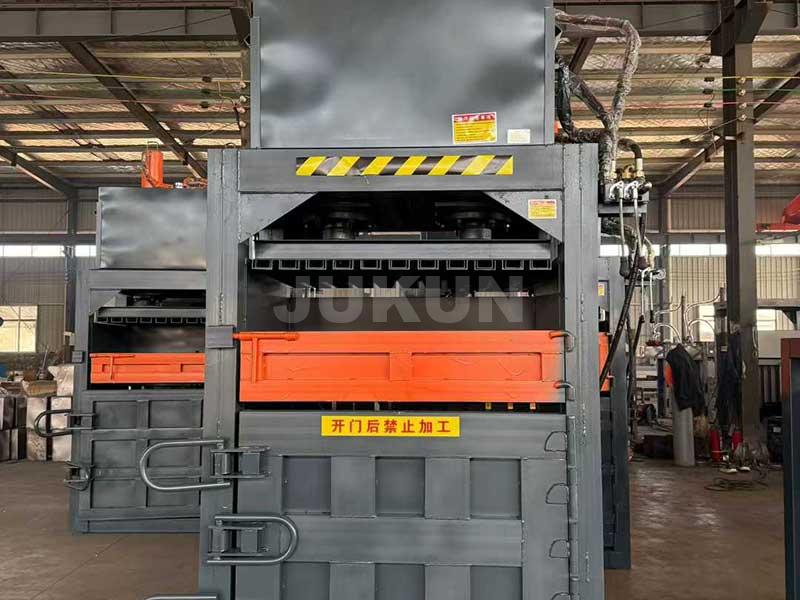
Choose by analyzing daily volume, baler automation level, hydraulic pressure verified through testing, bale dimensions adapted to your space, energy consumption figures, and the manufacturer's local support availability with spare parts.
7-Point Verification Checklist
Protect against underperformance:
| Factor | Ideal Parameters | Risk Warning Signs |
|---|---|---|
| Daily Throughput | Machine capacity = 120% peak daily waste | Units maxing out below daily averages |
| Compression Force | Minimum 150 tons for OCC | Lower PSI creating floppy bales |
| Certification | Current ISO/CE with traceable certificates | Supplier refusing facility tours |
| Tying Efficiency | Automatic strapping <25 seconds | Manual tying requiring staff standing by |
| Power Consumption | ≤18kWh per operating hour | Units lacking energy efficiency ratings |
| Post-Sales Support | Local technician <48hr response | Remote overseas-only troubleshooting |
| Payment Structure | 40% down, 60% after testing | 100% upfront before shipping |
Capacity miscalculation is the costliest error. A Vancouver retailer bought an undersized baler - overloaded daily, it needed CA$5k monthly repairs. We retrofitted proper tonnage, restoring operation within budget. For Canadian winters, demand cold-rated hydraulics (-30°C compatibility). Most importantly, test your actual cardboard waste - corrugated strengths vary drastically. Through Jukun, submit materials for guaranteed density trials. Only accept containers with GPS tracking and load verification videos to prevent shipment damage.
Conclusion
Industrial cardboard balers transform waste expenses into recycling revenue while freeing facility space. We engineer measurable cost reductions certified to perform.