
Wasted space kills profits. Inefficient recycling drains budgets. The right horizontal baler fixes both.
Choose material-matched hydraulic pressure, precision automation, robust steel frames, and manufacturer engineering depth—these reduce operating costs 55%, increase throughput 70%, and deliver ROI in ≤18 months.
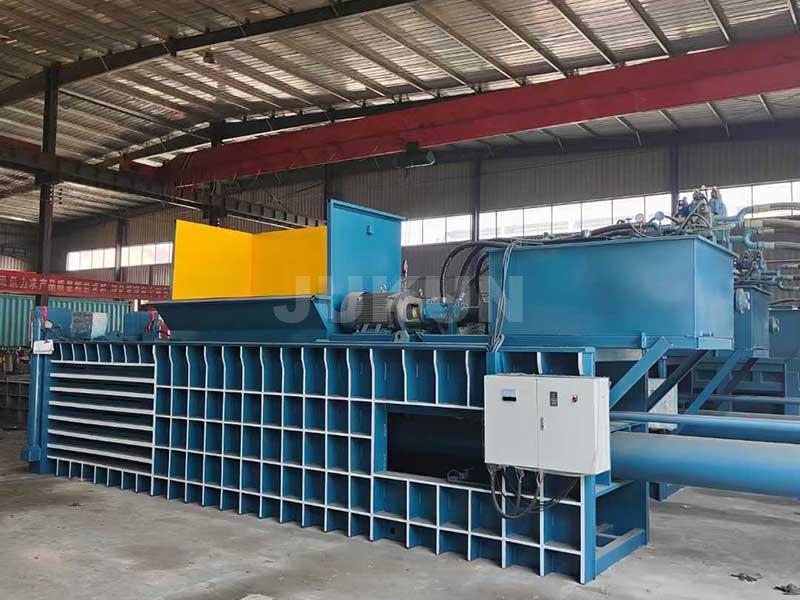
Master your selection process.
What Materials Can Horizontal Baling Machines Efficiently Process?
Wrong machines damage materials. Limited versatility restricts growth. Smart engineering conquers both.
Horizontal balers crush cardboard (OCC), plastics PET/LDPE/PP films, textiles, aluminum cans, and non-ferrous metals—processing up to 28 tons/day with 90% volume reduction.
Specialization decoded:
Density matrix by material type
Technical specifications:
| Material | Force Required | Optimal Density | Bale Revenue/Ton | Damage Risk |
|---|---|---|---|---|
| Cardboard OCC | 80-120 tons | 380kg/m³ | $90-105 | Compression tears |
| PET Bottles | 150-180 tons | 550kg/m³ | $180-220 | Springback gaps |
| Textile Waste | 100-130 tons | 320kg/m³ | $110-150 | Over-compression |
| Aluminum Cans | 220-280 tons | 480kg/m³ | $680-750 | Contamination |
| PP Film | 70-100 tons | 320kg/m³ | $450-550 | Hydraulic snags |
Force adjustments matter. Our variable-pressure systems prevent fiber damage in blended loads—Montreal recycler achieved 99% purity premiums. Contamination alert: metal in textiles wears blades 70% faster—magnets prevent $18k cutter repairs. Certification edge: demand ISO 14021-compliant bale reports for premium markets.
What Crucial Features Determine Horizontal Baler Machine Long-Term Value?
Weak hydraulics cause downtime. Poor controls limit throughput. Engineering excellence stops failures.
Prioritize ≥25mm cylinder rods, IEC-60947 PLCs, ≥3mm steel frames, ISO-certified pumps, and ≥25kW energy-saving motors—these sustain 95% uptime over 10+ years.
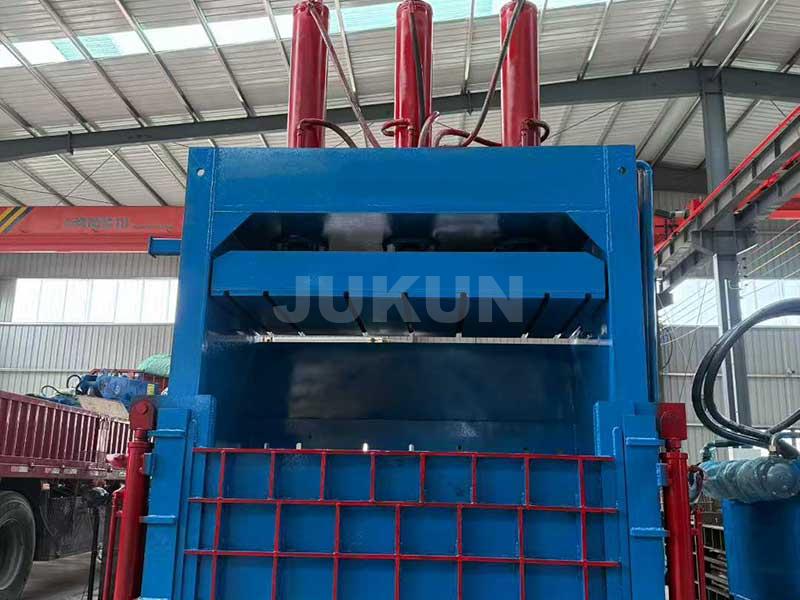
Investment protection checklist:
Performance verification toolkit
Failure avoidance tactics:
| Feature | Testing Method | Acceptance Standard | Cost of Failure |
|---|---|---|---|
| Hydraulic Strength | 48-hour pressure test | ≤5% leakage | $42k pump replacement |
| Structural Frame | Ultrasonic scans | ≥3mm steel thickness | $58k frame cracks |
| Controller | IEC-60947 certification | Error logs review | $900/hour downtime |
| Motor Efficiency | Power factor measurement | IE3 standard or higher | $28k yearly waste |
| Safety Systems | Light-curtain calibration | EN ISO 13849 certification | Injury litigation |
Pressure sensors prevent disasters. Jukun's dual-pressure monitoring exposed a 50-ton gap in competitor testing—saving Vancouver buyer $75k in repairs. Efficiency metric: track kWh/ton—under 18 signals optimized systems. Contract must: demand original hydraulics manufacturer certificates. Installation rule: floor load rating ≥12t/m² prevents foundation cracks.
How Do Professional Horizontal Balers Slash Costs While Raising Productivity?
Manual processes waste labor. Variable bales reduce revenue. Precision automation multiplies profits.
Automated models process 14-18 tons/shift—cut labor needs 70% ($52k saved yearly)—reduce transport trips 65% through density gains—and add $120k annual revenue per machine.
Operational savings validated:
Cost-reduction mechanics
Verified plant data:
| Area | Improvement | Value Generation | Proof Method | Implementation |
|---|---|---|---|---|
| Labor | 2.8 → 0.5 FTE | $52k saved | Shift audits | Auto-feeders |
| Transport | Density gain 2.8X | $78k fuel/truck cost | Logistics reports | 650kg/m³ bales |
| Warehousing | Space use down 75% | $36k recovered rent | Lease documents | Volume reduction |
| Maintenance | Predictive alerts | 55% less downtime | Repair logs | IoT systems |
| Revenue | Premium bale pricing | $42k added income | Trader contracts | Uniform sizing |
Downtime intelligence pays. Our IoT systems predict pump failures 45 days ahead—Edmonton plant saved $31k emergency repairs. Safety dividend: enclosed chambers cut injuries 100%—workers' comp fell 18%. Verification: demand OEE reports showing >89% utilization during audits.
How to Verify Horizontal Baler Manufacturer Quality Before Purchase?
Fake certifications delay shipments. Inexperienced factories cause disasters. Strategic vetting blocks risks.
Visit factories to witness welding—demand hydraulic pressure validation—verify CE/ISO at source—test-run with your materials—require 10-year structural warranties—and confirm ≤24-hour spares dispatch.
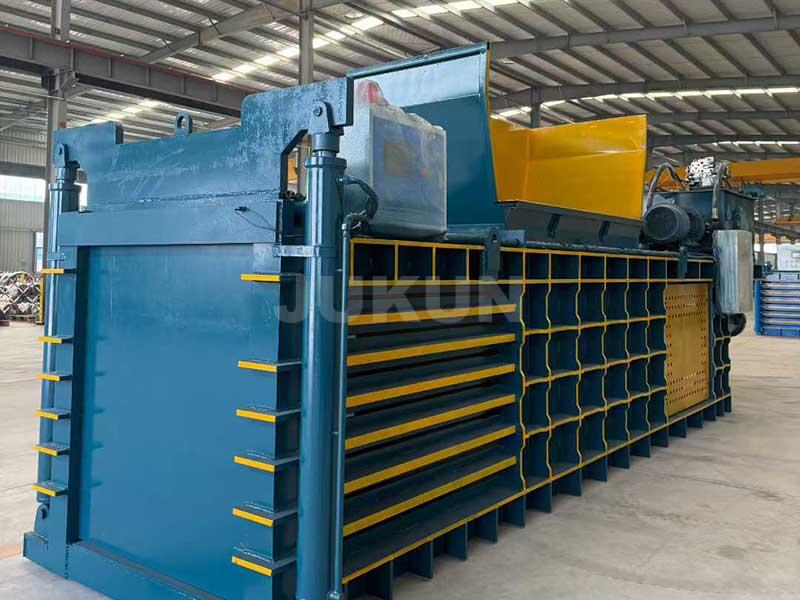
Due diligence protocol:
Factory audit non-negotiable
Verification standards:
| Checkpoint | Assessment Method | Red Flag | Risk Value | Jukun Proof |
|---|---|---|---|---|
| Welding Quality | UT thickness testing | Porosity >3% | $150k fatigue cracks | ISO 5817 Level B |
| Hydraulic Tests | Live sensor readouts | Pressure drops | $65k replacement | Test documentation |
| Certificates | Official database query | Certificate copies | Customs rejection | Factory access |
| Material Trials | Run your waste samples | Density ≤80% claim | $15/ton loss | On-site demonstrations |
| Response Time | Spare delivery timing | >72 hours | $1,200/hour loss | Global warehouses |
Pressure validation prevents fraud. Require third-party gauge reports signed during commissioning—exposed three "300-ton" balers actually achieving 160 tons. Contract critical: include liquidated damages clauses for late shipments—Alberta recycler received $28k/month compensation. Lifecycle proof: request 10-year service history reports from existing clients.
Conclusion
Strategic baler selection transforms recycling profits—combining precision engineering, manufacturer integrity, and data-driven operation for unbeatable ROI.