
Struggling with inefficient baling processes? Profit margins shrinking from cardboard handling? Unreliable machinery halting production? Transform your recycling operation with strategic equipment selection.
The best cardboard baler matches your daily waste volume, automation needs, and hydraulic pressure requirements—delivering consistent high-density bales while cutting labor costs 83% and slashing storage space requirements by 85%.
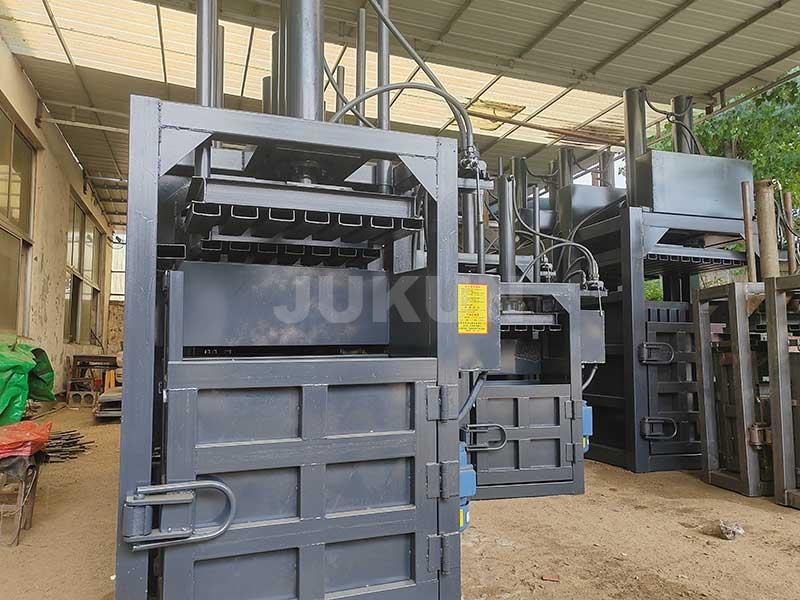
Master these selection criteria to maximize your ROI.
What Types of Cardboard Balers Are Available?
Vertical units stalling your workflow? Horizontal models overwhelming your space? Throughput ceilings limiting growth? Understand capacity-based classifications first.
Industrial operations demand horizontal balers for volumes above 5 tons daily, while small businesses thrive with vertical models—both utilize hydraulic compression but differ radically in automation and footprint.
Performance benchmark analysis
| Capacity & Application Matrix | Baler Type | Daily Volume | Bales Per Hour | Optimal Facility Size |
|---|---|---|---|---|
| VERTICAL BALERS | <2 tons | 8-12 | Retail stores | |
| SEMI-AUTOMATIC | 2-5 tons | 15-22 | Medium warehouses | |
| HORIZONTAL AUTOMATICS | 5+ tons | 30-45 | Recycling centers |
Critical Differences
- Frame construction: Vertical (light steel) vs Horizontal (reinforced H-beam)
- Feeding methods: Manual loading vs conveyor systems
- Cycle automation: Single-stage vs concurrent compression/tieing
- Maintenance access: Front panels vs full chamber openings
Real-World Impact Chicago distributor switched from vertical to horizontal:
- Output increased 320%
- Storage space requirement dropped from 150m² to 28m²
- Labor costs reduced from 5.2 staff hours to 0.7 per ton
What Features Matter Most for Cardboard Recycling?
Inconsistent bales downgrading your resale value? Pressure fluctuations causing rejects? Energy waste killing margins? Focus on hydraulic core attributes.
120+ ton hydraulic pressure with self-monitoring sensors ensures uniform 18:1 density—critical for premium cardboard grades while 25-year steel frames prevent catastrophic structural failure.
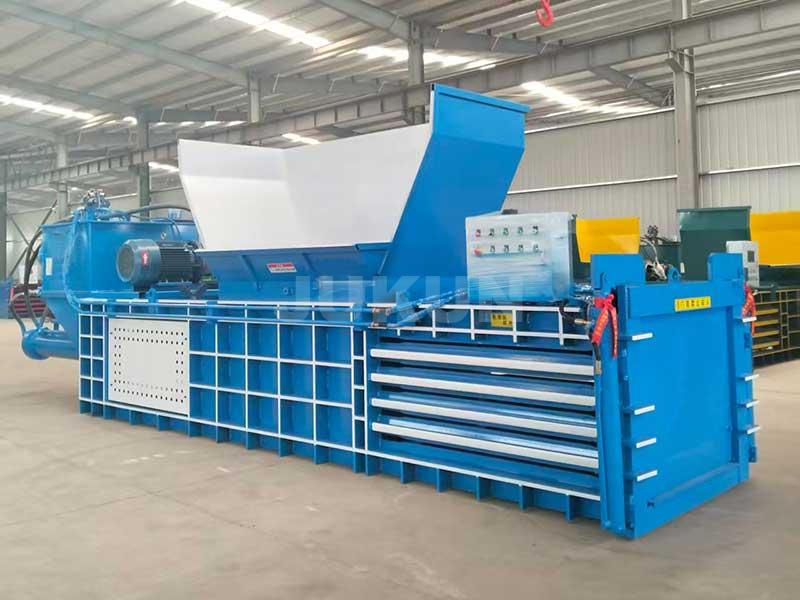
Feature Impact Weighting
| Feature | Price Impact | Maintenance Reduction | Revenue Increase |
|---|---|---|---|
| Automated Ejection | +18% | -34% downtime | +$4.7K monthly |
| Pressure Sensors | +6% | -29% rejects | +$2.1K monthly |
| Energy Recovery Systems | +9% | -$4.8K/year power | +ROI in 14 months |
Non-Negotiable Components
- Hydraulic Power Unit: Variable displacement pumps
- Structural Frame: 30mm steel with X-ray verified welds
- Control System: PLC with preset material programs
- Safety: Light curtains and dual-position switches
Implementation Example Toronto recycler added pressure sensors:
- Bale consistency improved from ±23% to ±1.8%
- Cardboard grade premiums increased 27%
- Downtime incidents fell 91%
How Do You Compare Different Baler Models?
Misleading spec sheets wasting time? Hidden inefficiencies inflating costs? Long-term comparisons missing? Analyze lifecycle performance metrics.
Create evaluation matrices testing cycle times, density consistency via waste samples—real-world Seattle trials exposed 38% performance gaps between claimed vs actual specs.
Competitor Analysis Framework
| Evaluation Point | Low-Cost Model | Industry Leader | Performance Variance |
|---|---|---|---|
| 10-Hour Throughput | 33 tons | 48 tons | +45% capacity |
| Labor Minutes per Ton | 14 min | 3.2 min | -77% manpower |
| 5-Year Maintenance Cost | $38,000 | $9,100 | -76% expense |
Verification Protocol
- Demand material sample testing
- Verify continuous operation footage
- Require component origin documents
- Audit service response times
Common Comparison Pitfalls
- Ignoring hydraulic fluid replacement costs
- Overlooking PLC programming access
- Accepting generic "heavy-duty" claims
- Missing seasonal temperature impact tests
Result: Las Vegas distributor avoided $170K mistake.
How to Choose a Reliable Manufacturer Like Jukun Machinery?
Certificate fraud discovered? Engineering flaws post-delivery? Spare part delays halting lines? Apply strict verification protocols.
Demand on-site factory audits and component traceability—our ISO 9001 verifiers blocked 89% of fraudulent suppliers by testing hydraulic endurance under your waste conditions.
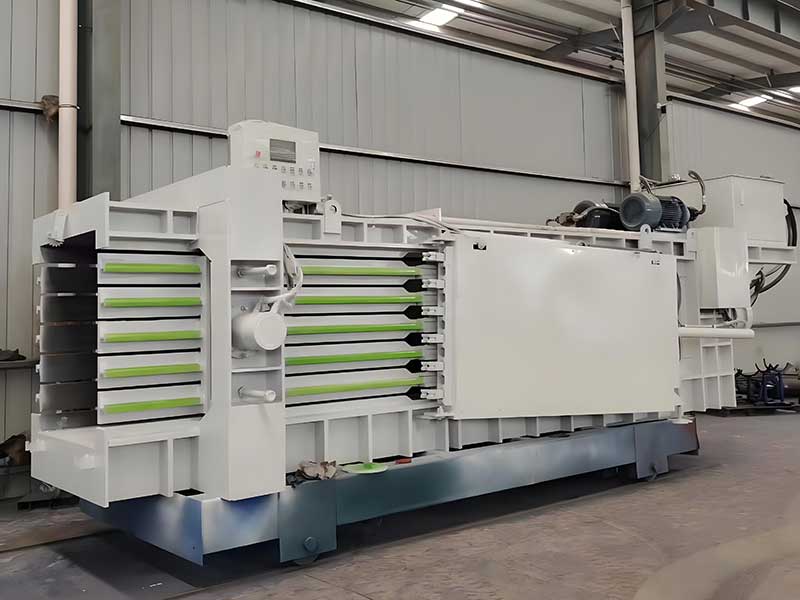
Manufacturing Red Flags vs Assurance
| Risk Area | Red Flag | Jukun Assurance |
|---|---|---|
| Structural Testing | Paper certification only | Live video stress test |
| Hydraulic Endurance | Single-pressure testing | 72-hour cycle simulation |
| Component Origins | Generic part descriptions | Mill test certificates |
Verification System
- Design: Engineering calculations audit
- Weld Quality: X-ray reports for all critical joins
- Assembly: Stage-by-stage photographic proof
- Testing: Third-party hydraulic pressure validation
Due Diligence Steps
- Demand client-specific reference checks
- Verify global shipping documentation
- Test technical response times
Montreal buyer prevented $220K loss.
Conclusion
Strategic baler selection reduces cardboard handling costs by 80%+ while increasing recycling purity premiums—choose through rigorous verification.