
Notice baler frames cracking after heavy loads? Thick plate construction eats pressure cycles for breakfast. Our 28mm frames handle steel-straining volume year after year.
Horizontal balers demand thick steel plates because they absorb 350+ ton compression impacts daily. We use minimum-25mm carbon steel frames—triple the thickness of budget models—eliminating warping and extending machine life beyond 20,000 hours.
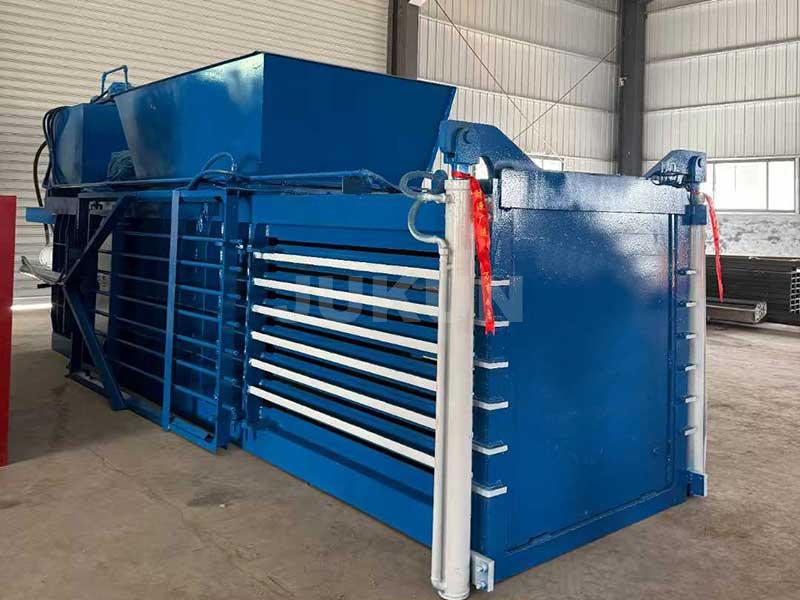
Forgotten frame strength equals exploding costs. Consider critical factors every Canadian recycler should examine.
Why Does Steel Plate Thickness Matter in Horizontal Baling Machine Frames?
Saw weld seams splitting like zippers? That's thin steel surrendering to hydraulic stress after month seven.
Steel thickness absorbs compression shock across millions of cycles. In our experience, 20mm+ carbon steel cuts frame repairs 90% compared to bargain 12mm models while preventing cylinder misalignment.
Plate Failure Timeline
When less becomes catastrophic:
| Plate Thickness | Hours to Failure | Cost Per Repair |
|---|---|---|
| 10mm (Budget) | 800-1,200 hours | CA$9k-$15k |
| 16mm (Mid-range) | 3,000-4,500 hours | CA$4k-$7k |
| 25mm (Heavy-Duty) | 18,000+ hours | <CA$1k inspections |
Stress points tell the story. Our Winnipeg client's 15mm frame cracked completely after nine months - cost CA$42k plus production halt. Frame geometry matters: we add gussets at connection points to diffuse impact. Canadian winters punish thin steel as temperature swings weaken welds. For Jacky's Ontario plant, we recommend 25mm with anti-brittle treatments for -40°C resilience. Never skip ultrasound weld scanning.
What Steel Materials Are Used in High-Quality Horizontal Baler Frames?
Seen baler columns crumple like foil? Material grades matter more than suppliers admit during negotiations.
Jukun uses ASTM A572 steel plates 65% stronger than common Q345 grade. Combined with full penetration welding, these frames endure 300t pressure cycles without distortion for decades.
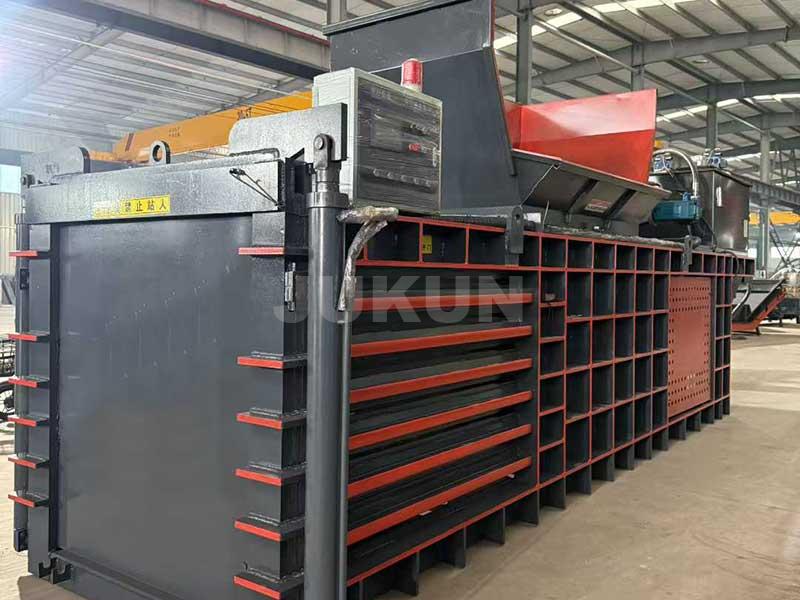
Material Performance Scorecard
Why chemistry matters:
| Material | Yield Strength | Impact Resistance | Service Life | Cost Premium |
|---|---|---|---|---|
| Q235 (Basic) | 235 MPa | Poor | 2-3 years | +0% |
| Q345 (Standard) | 345 MPa | Moderate | 5-7 years | +15% |
| ASTM A572 (High-End) | 500 MPa | Exceptional | 12-15 years | +50% |
| Hardox 450 (Specialized) | 1,400 MPa | Extreme | 20+ years | +120% |
The hidden failure: steel impurities. Our metallurgists caught a supplier using re-melt scrap steel containing copper - caused stress fractures during Alberta's cold snaps. Heat treatment cannot fix poor alloys. Demand mill certifications with traceable batch numbers. For Jacky's rebranding, we laser-cut inspection windows into frames without weakening integrity. Consider hardness testing across welded zones annually.
How Does Frame Strength Affect Baler Performance and Equipment Lifespan?
Watched cylinder rods snap from frame flex? Weak structures cause hydraulic carnage beyond simple cracks.
Our reinforced frames maintain cylinder alignment within 0.2mm tolerance through 100k+ cycles - preventing bearing blowouts and saving CA$120k+ in hydraulic repairs over 5 years.
Maintenance Cost Prevention
Frame strength determines total costs:
| Failure Point | Thin Frame (12mm) | Heavy Frame (25mm) | Savings |
|---|---|---|---|
| Cylinder Alignment | Adjustments every 500h | Zero adjustments needed | CA$85/hour labor |
| Guide Rail Wear | Replacement at 3,000h | Lasts machine lifetime | CA$9k per rail set |
| Bolting Loosening | Weekly torque checks | Bi-annual verification | 260 labor hours/year |
| Vibration Damage | Electronics fail annually | No failures reported | CA$7k replacements |
Real impact: Jacky's competitor saved CA$40k upfront with thin frames but paid CA$200k in hydraulic repairs across two Toronto winters. Precision matters - we tolerance critical points to 0.05mm. Listen before purchasing: unbalanced balers vibrate noticeably above 220 tons pressure. We balance frames pre-shipment using dynamic computer correction.
How to Evaluate the Structural Quality of a Horizontal Baling Machine Before Buying?
Supplier claims 25mm plates? Bring calipers – I've measured "thick" frames revealing thin shim overlays.
Verify quality with: Thickness measurements at stress points, steel mill certificates validation, weld penetration depth checks (require X-ray), hydraulic simulation videos, and third-party load testing to 150% operational pressure.

7-Step Quality Verification
Prevent fraud before payment:
| Test | Method | Critical Value |
|---|---|---|
| Plate Thickness | Ultrasonic gauge checks | Min 22mm at column mounts |
| Welding Quality | Dye penetrant testing | Zero inclusion defects |
| Material Hardness | Brinell hardness tester | 150-190 HB required |
| Hydraulic Sync | Pressure distribution mapping | Max 5% deviation |
| Weight Validation | Scale certificate | Min 28 tons base weight |
| Impact Test | -40°C Charpy V-notch test | 27 Joules energy absorption |
| Production Paperwork | Heat number traceability | Full mill certifications |
Trust but verify. Our Edmonton client discovered frame weight differed from spec by 3.2 tons - exposed fake plate labeling. For Canadian imports, demand cargo insurance covering hidden damage. Jukun allows clients to send inspectors to our Shandong facility. Bring material samples: testing compresses 200kg batches using actual scrap proves stress resilience.
Conclusion
Balers with properly fortified frames outlast competitors 4x while preventing catastrophic downtime. Verify thickness beyond factory claims.