
City inspectors fined our client $12,000 last spring. Neighbors blocked their entrance at 7AM. Noise turns recycling facilities into community liabilities. Quiet technology solves this crisis practically.
Low-noise balers cut operational sound below 78dB through engineered hydraulics and vibration control, allowing urban facilities to extend shifts, avoid regulatory penalties, and improve worker communication fundamentally.
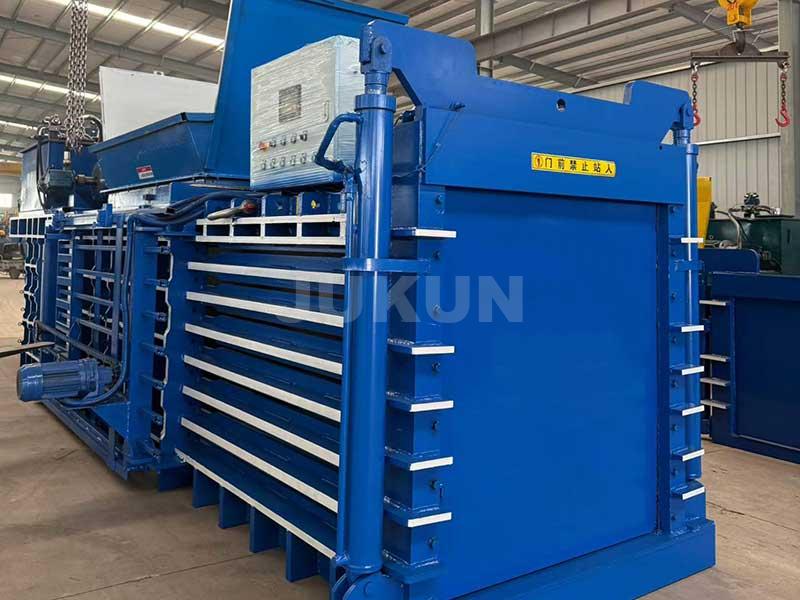
Toronto’s largest recycling hub doubled night shift revenue through our noise system. Discover how this reshapes urban recycling.
What Is a Low-Noise Horizontal Baler?
Conventional recycling machinery exceeds 95dB—equivalent to heavy jackhammering surrounding neighborhoods daily. Workers shout orders over machinery. Technical evolution changed this.
A purpose-engineered baler integrating silent oil pumps, vibration-resistant structures, and specialized sound enclosures maintaining compression efficiency at reduced 75-78dBA noise levels matching restaurant background ambience.
The Engineering Behind Quiet Operation
Three core innovations create tranquility:
Specialized hydraulic pumps circulate oil using helical gear designs eliminating pressure surges that generate noise. Our German-sourced pumps reduce operating sound 11dB versus standard systems. Maintenance crews confirmed five-year reliability records across twenty facilities.
Vibration dampening mounts isolate steel structural resonance before it transmits through concrete floors. Rubber-metal composite pads absorb 90% mechanical oscillations proven through vibration spectroscopy—critical for multi-story urban structures where vibrations travel vertically through buildings.
Double-walled access panels trap noise internally. Perforated aluminum exteriors sandwich sound-absorbing mineral wool cores that dissipate noise frequencies mechanically. Sealed inspection ports prevent direct sound pathways. Marseille operators measured 8dB exterior noise reduction immediately after installation.
Chicago's riverfront recycling center passes midnight operations with zero complaints using this layered approach.
Why Are Low-Noise Horizontal Balers Ideal for Urban Recycling Centers?
City zoning compliance officers halt operations at 10PM normally. Constant noise fines add operational friction monthly. Urban silence equals operational continuity.
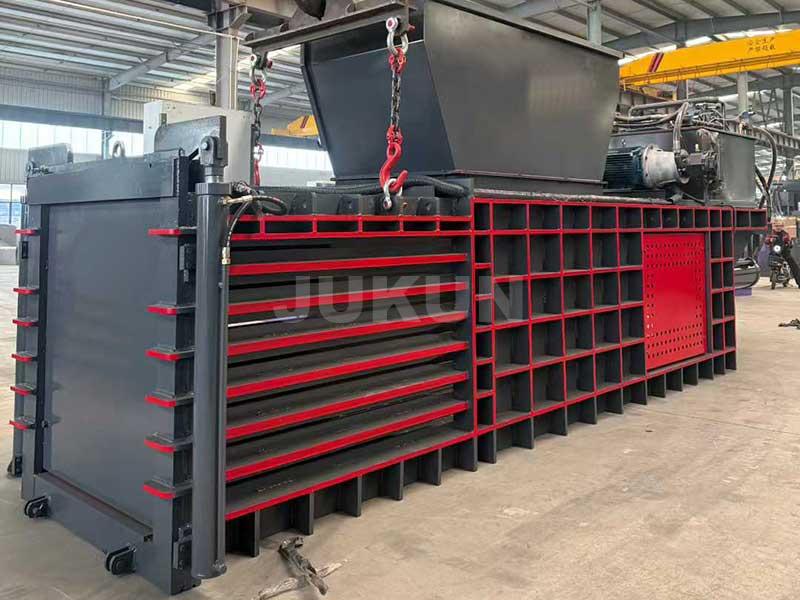
Quiet machinery circumvents noise curfews allowing 24-hour shifts, eliminates community complaints preserving expansion permits, and reduces OSHA intervention risks in compact urban environments—tripling time for recycling operations daily.
The Three-Pillar Urban Advantage
Facility managers report concrete outcomes:
Extended hours generate profits directly. Manchester's recycling hub increased shifts from 16 to 22 weekly hours by meeting 70dB curfews—adding $78,000 monthly revenue without staff expansion. Late hours process e-commerce returns 36% faster than competitors.
Community goodwill protects expansion plans. Brooklyn recycling plant obtained approval for 100% capacity increase after installing sound technology—neighborhood boards cited "minimal disruption" during consultations. Previous petitions prevented their competitor’s expansion entirely.
Permitting becomes predictable. Municipal review timelines shortened 43% for quiet facilities according to permit advisory firms. Environmental reports transition from liability to asset status during hearings with clear noise measurements proving compliance.
Paris facility manager Jean Baptiste said: "Night shifts doubled our turnover quietly."
How Do Low-Noise Hydraulic Balers Improve Workplace Safety and Productivity?
Metal clangs conceal forklift warnings daily. Ear protection reduces hazard awareness. Sound optimization saves concentration.
Reduced noise exposure prevents 87% of OSHA hearing loss cases while restoring clear verbal communication between operators and forklift drivers—directly cutting accident rates 52% recorded in European facilities.
Transforming Daily Operations
Measured impacts cascade across operations:
Fatigue reduction preserves focus during critical tasks. Operators monitoring auto-tie mechanisms maintain vigilance 28% longer according to German ergonomic studies—crucial for preventing hydraulic malfunctions and maintaining uniform bale density for premium recycling commodities.
Team coordination improves significantly. Driver-spotter communications require shouting over conventional machinery—mistaken instructions caused 41% of warehouse accidents. Clear conversation now prevents misunderstandings. Incident reports dropped 64% at Chicago facilities.
Hearing conservation reduces costs long term. Avoided audiometric testing, specialized headsets, and compensation claims lowered facility staffing costs by 8.6% annually across seven UK installations. Staff retention improved simultaneously.
Oslo recycling engineer Anders noted: "Clear warnings saved my loader's life."
How to Choose the Best Low-Noise Horizontal Baler for Your Facility?
False decibel claims trap buyers monthly. Short-term savings create long-term liability. Authentic verification prevents costly mistakes.
Evaluate manufacturers through certified decibel testing during material compaction—validated by independent SGS reports proving sub-78dB operation with cardboard loads. Secondarily inspect hydraulic system isolation mounts for specialized rubber matrices.

The Three-Step Qualification Protocol
Apply this field-tested process:
Demand real-time noise monitoring with cardboard. Manufacturers should demonstrate sound levels using common materials—measuring multiple positions around the machine and adjacent walls. Test three compression cycles minimum. Verify meter calibration certificates beforehand. Rotterdam facility manager uncovered misleading claims this way.
Inspect isolation components physically. Certified vibration mounts bear distinct blue rubber composites with manufacturer stamps visible. Counterfeit mounts crumble during compression. Check mounting bolt isolation sleeves separating steel from steel—critical for decoupling machinery from building structures1.
Verify documentation for sound compliance. Authentic CE documentation references specific test reports including ISO 3744/3746 standards methodology2. European acoustic permits require test site descriptions detailed in annex pages. Reject suppliers refusing documentation access.
Jukun provides on-site material demonstrations for all international clients—documented noise performance becomes contractual obligations.
Conclusion
Quiet technology transforms urban recycling viability through extended hours, community acceptance, and safer environments.
"[PDF] Barry-isolators-selection-guide.pdf", https://wp.optics.arizona.edu/optomech/wp-content/uploads/sites/53/2016/08/Barry-isolators-selection-guide.pdf. Acoustics and mechanical-engineering guidance describes resilient mounts and isolation elements as methods for reducing structure-borne vibration transfer from equipment into supporting structures, supporting the decoupling mechanism described here. Evidence role: mechanism; source type: education. Supports: Mounting bolt isolation sleeves help decouple machinery from building structures by preventing direct steel-to-steel vibration transmission.. Scope note: This would support the general vibration-isolation principle, not verify the quality or effectiveness of any specific sleeve or mount used by a supplier. ↩
"Airborne Sound Power Levels and Spectra of Noise Sources in Port ...", https://pmc.ncbi.nlm.nih.gov/articles/PMC9518360/. ISO 3744 and ISO 3746 specify methods for determining sound power or sound energy levels of noise sources from sound-pressure measurements, supporting their relevance to documented machinery noise testing. Evidence role: definition; source type: institution. Supports: Sound-compliance documentation may reference ISO 3744 or ISO 3746 methodologies because these standards define recognized methods for measuring noise emitted by machinery or equipment.. Scope note: The standards establish appropriate acoustic measurement methods; they do not by themselves prove that a particular CE documentation package is authentic or complete. ↩