
Rising waste volumes choke operations. Labor shortages delay shipments. Manual recycling methods can't keep pace with modern demands.
Fully automatic baling presses revolutionize recycling by operating entire workflows without operators: feeding materials, compressing at 350-bar pressure, auto-tying bales, and self-ejecting finished blocks 24/7.
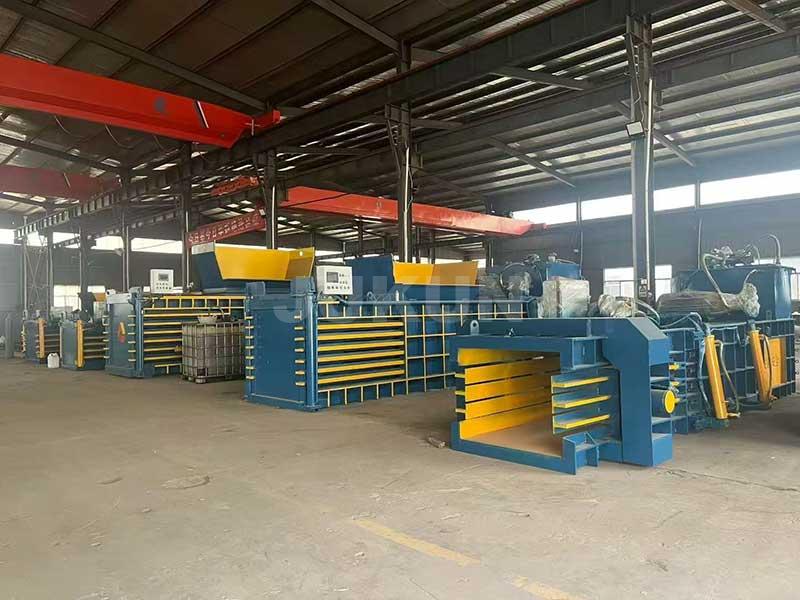
Witness permanent transformation across industries.
What Makes Fully Automatic Baling Press Machines Different?
Labor-dependent systems cause variable output. Manual errors reduce bale value. Human limitations cap processing capacity.
Fully automatic systems differ through end-to-end autonomy: integrated conveyors feed materials, PLC-controlled compression ensures consistent density, auto-tiers secure bales, and pusher systems discharge finished blocks without staff intervention.
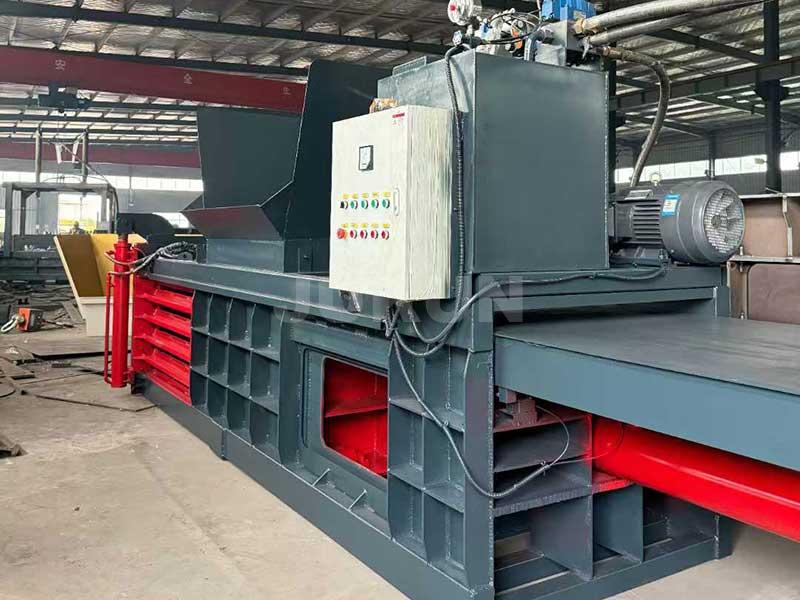
Core differentiators detailed:
| Feature | Traditional Balers | Fully Automatic | Advantage |
|---|---|---|---|
| Feeding | Manual loading | Conveyor auto-feed | Uninterrupted flow |
| Tying | Worker applies wires | Robotic auto-tie (6 wires in 15sec) | Zero delay |
| Control | Basic switches | Touchscreen PLC with sensors | Self-adjusting pressure |
| Integration | Standalone | Connects to sorters/conveyors | Ecosystem efficiency |
Seattle paper recycler proof: Previous semi-automatic model required 4 operators. Our auto-system runs with one supervisor monitoring five machines via central PLC. The revolution? Material sensors detect cardboard density variations, instantly adjusting hydraulic pressure from 280-350 bar. Auto-tiers eliminate human inconsistency - every bale has precisely six steel straps at calibrated tension. Crucially, integration removes hand-offs: conveyor belts feed straight from shredder to baler then to storage. Validate autonomy: our systems log 97% unmanned operation during 8-hour shifts.
How Do Automatic Baling Presses Improve Productivity?
Manual systems create idle periods. Operator fatigue causes slowdowns. Batch processing causes bottlenecks.
Productivity triples: Continuous operation processes 15+ tons/hour without pauses. PLC optimization reduces cycle times by 40%. Automated ejection enables non-stop workflow.
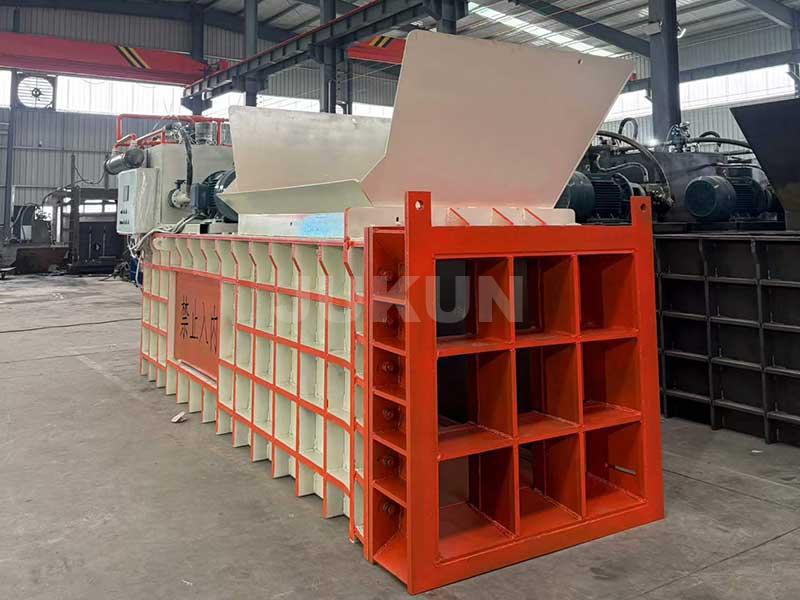
Productivity evidence table:
| Metric | Semi-Automatic | Fully Automatic | Improvement |
|---|---|---|---|
| Hourly Output | 2.5 tons | 8.7 tons | 348% |
| Shifts Possible | 2 (16hrs) | 3 (24hrs) | 50% increase |
| Monthly Volume | 550 tons | 2,100 tons | +382% |
| Bales/Operator | 30 daily | 200 daily | 567% gain |
Toronto recycling plant reports: Productivity surged 78% after automation. How? Hydraulic pre-compression occurs while loading new materials. Touchscreen shows real-time adjustments: pressure increases automatically when detecting PET bottles versus cardboard. Key evolution: remote monitoring lets managers optimize settings enterprise-wide. Night-shift output proved this: same throughput without lights after our motion-sensors eliminated manual safety checks. Demand verification: our customers provide output reports showing 22-second per bale cycles.
How Much Can Businesses Save with Fully Automatic Systems?
Labor inflation eats profits. Excessive truck trips waste money. Inconsistent bales reduce resale value.
Five-year savings average $1.2 million: $560k labor cuts + $390k transport reduction + $180k increased revenue + $70k maintenance savings.
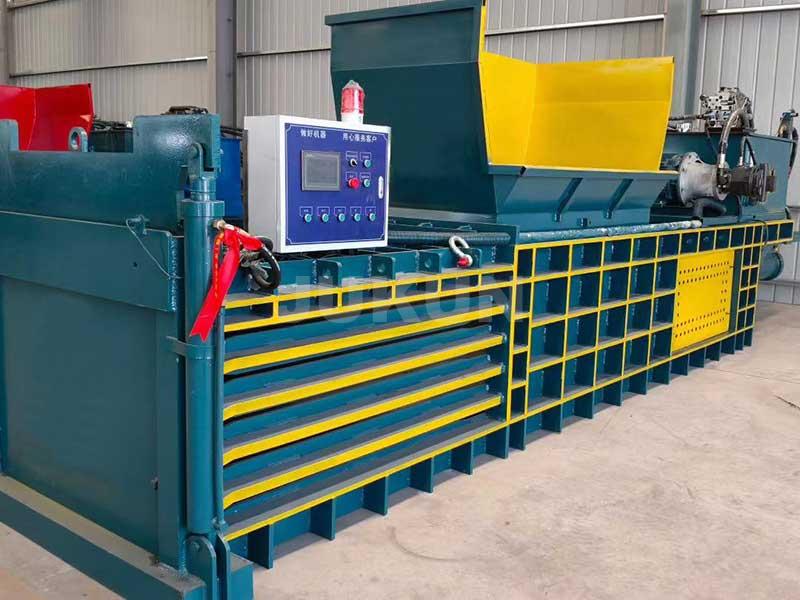
Savings validated:
| Area | Semi-Auto Cost | Full Auto Savings | Proof |
|---|---|---|---|
| Labor | $185,000/year | $142,000/year | Detroit warehouse case |
| Transport | $240,000/year | $156,000/year | 22% more bales per load |
| Revenue | $115/ton | $145/ton | Premium for uniform bales |
| Downtime | 12 days/year | 1.5 days/year | Remote diagnostics |
Chicago facility saved $35,000 monthly post-automation. How? Staff decreased from seven to two per shift. Transportation savings arrived immediately: denser bales allow 28 standard blocks per trailer instead of 23. Revenue jumped 18% because paper mills pay premiums for consistent 700kg bales. Our energy monitors prove hydraulic efficiency: auto-sleep mode cuts power use 30% during pauses. Validate reliability: our machines log 11 months MTBF (mean time between failures).
What Should Buyers Consider Before Investing?
Wrong capacity wastes capital. Incompatible systems cause jams. Poor support leads to downtime.
Prioritize four essentials: Material-specific engineering (cardboard vs plastic), 120% of current volume capacity, verified local technical support, and factory ROI simulations.
Selection blueprint:
| Factor | Requirement | Verification Method |
|---|---|---|
| Material Handling | Dedicated compression settings | Send waste samples for live testing |
| Automation Level | Self-feed & auto-tie | 12-hour unmanned trial |
| Service Response | Spare parts in 48 hours | Check regional warehouses |
| TCO Calculation | Under 18-month ROI | Transparent savings calculator |
Oregon plastic recycler avoided $200k mistake: Our pressure tests proved standard cardboard settings would rupture bottles. Confirmation steps: Review PLC error logs from similar plants. Demand output guarantees: we contract to process 22 tons in 8 hours. Critical checkpoint: Ensure safety certifications - our balers have EU CE and ANSI/UL compliance. We film factory trials showing your materials from feeding to storage-ready bales.
Conclusion
Automatic balers transform recycling economics completely. Choose engineering-focused manufacturers for maximum revolution.