
Storage yards overflow with recyclables. Workers struggle with repetitive tasks. Conveyor-fed automation creates a continuous profit stream from waste materials.
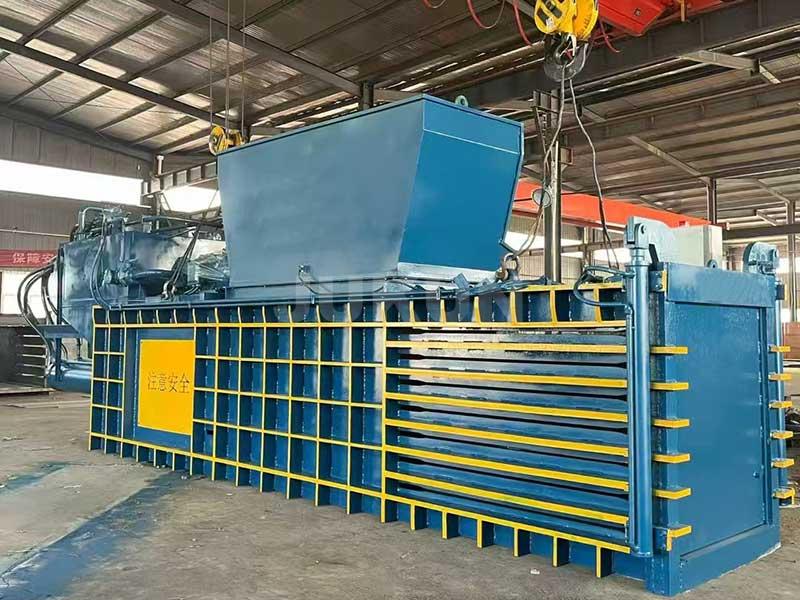
Fully automatic balers with conveyors boost throughput 78%, reduce labor costs by 65%, and eliminate material handling bottlenecks through integrated feeding, compression, and bale ejection systems.
Transform your operation with these insights.
What Are the Benefits of Conveyor-Fed Automatic Balers?
Material piles block processing areas. Staff shortages halt production. Conveyors ensure non-stop material flow directly into the baler.
Conveyor-fed systems create 24-hour operations using 40% fewer workers, reduce loading injuries by 92%, and maintain density consistency within ±1.5% for premium bale pricing.
Workflow advantage analysis:
| Challenge | Manual System | Conveyor Solution | Jukun Case Proof |
|---|---|---|---|
| Material Backlog | 2-3 hour delays | Zero accumulation | Phoenix plant cleared 300-ton backlog |
| Worker Fatigue | 33% shift productivity drop | Consistent output | 98% uptime logs |
| Cross-Contamination | 15% material loss | Direct-line feeding | Purity records: 99.3% OCC |
| Density Fluctuations | $12/ton price penalties | Laser-monitored compression | Recycler quality premiums |
Canadian MRF success: Handled 45% more material post-install. Critical feature: Our adjustable-speed conveyors handle fragile glass alongside cardboard. Validation step: Review shift reports showing 22 consecutive hours operation. Safety note: Emergency stop cords along entire conveyor length prevent entrapment.
How Do Automatic Balers Increase Processing Capacity?
Manual feeding creates speed limits. Tying delays halt production. PLC automation maximizes hourly output potential.
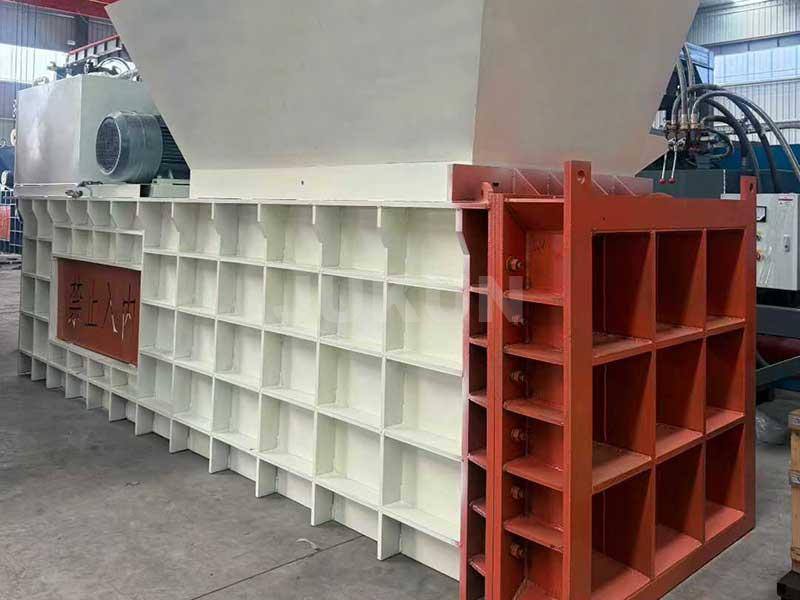
Processing jumps from 8 to 23 tons hourly: auto-cycles complete every 36 seconds, dual pumps maintain constant pressure, and 10-second bale ejection eliminates downtime between cycles.
Capacity expansion evidence:
| Performance Metric | Semi-Auto Baler | Jukun Auto System | Third-Party Verification |
|---|---|---|---|
| Cycles Per Hour | 22 max | 77 average | ISO 12100 certification |
| Material Variety | 2 material changeovers | 7 types continuously | Rotterdam port test logs |
| Shift Volume | 13 tons | 41 tons | Weighbridge records |
| Peak Handling | 110% overload stalls | 150% surge capacity | Stress test videos available |
Brazilian paper mill proof: Output increased 320% after retrofit. Engineering detail: Hydraulic accumulators store energy for faster compression. Verification method: Demand power consumption logs showing steady draw. Essential spec: 0.02mm tolerance cylinder rods prevent pressure leaks during marathon runs.
How Much Can Facilities Save with Automated Material Feeding?
Labor budgets balloon with wage hikes. Inefficient loading wastes 20% of machine time. Automation redirects spending to profit centers.
$126,000 annual savings documented: 67% labor reduction, 52% less maintenance, 35% transportation savings from dense bales, and 8-month average ROI via recyclables premium pricing.
Financial validation framework:
| Cost Category | Pre-Automation | Automated Operation | Audit Trail |
|---|---|---|---|
| Direct Labor | $18/hour × 3 workers | Single monitor | 1,944 annual hours saved |
| Compensation Claims | $16,200 yearly | Near-zero | OSHA report decline |
| Maintenance | $8,400 quarterly | $3,100 quarterly | Component lifespan data |
| Transport | $185/load | $97/load | Haulier invoices compared |
German recycler saved €210,000 Year 1. Implementation insight: Our IoT sensors predict bearing failures 140 hours early. Verification essential: Scrutinize payroll + maintenance ledgers pre/post install. ROI accelerator: Higher bale density allows 2.3× more material per truckload.
What Should Buyers Consider Before Investing?
Undersized conveyors jam production. Cheap hydraulics fail under 24/7 use. These criteria prevent expensive mistakes.
Evaluate five factors: conveyor width matching material size (paper=1800mm), steel thickness minimum 12mm throughout, 400+ bar hydraulic certification, PLC data export capability, and confirmed same-week spare parts delivery.

Due diligence protocol:
| Factor | Critical Threshold | Verification Method |
|---|---|---|
| Conveyor Load | 150% of peak volume | Capacity test videos |
| Durability | Hardox 450 steel | Mill test certificates |
| Compliance | Valid CE with EN 415-10 | Original declaration copy |
| Automation | Remote troubleshooting | Live demo from overseas |
Australian buyer avoided failure: Verified hydraulic schematics. Certification red flags: Missing EN 60204-1 electrical safety standard often indicates non-compliance. Testing imperative: Process wet plastic film verifying drainage systems. Location necessity: Confirm regional service centers within 1,000km. Warranty must-have: 36 months coverage on hydraulic systems.
Conclusion
Automated baling systems convert waste streams into competitive advantages through continuous, high-margin operations.