
Waste paper piles choke your warehouse space? Manual handling eats profits through slow processing and labor costs. Horizontal balers rescue operations by transforming chaos into compact assets.
Horizontal balers compress loose paper into dense stacked bales using hydraulic pressure. This automation cuts warehouse space needs by 70%, reduces transport costs by 40-60%, and slashes labor by 30-50%—boosting profit margins.
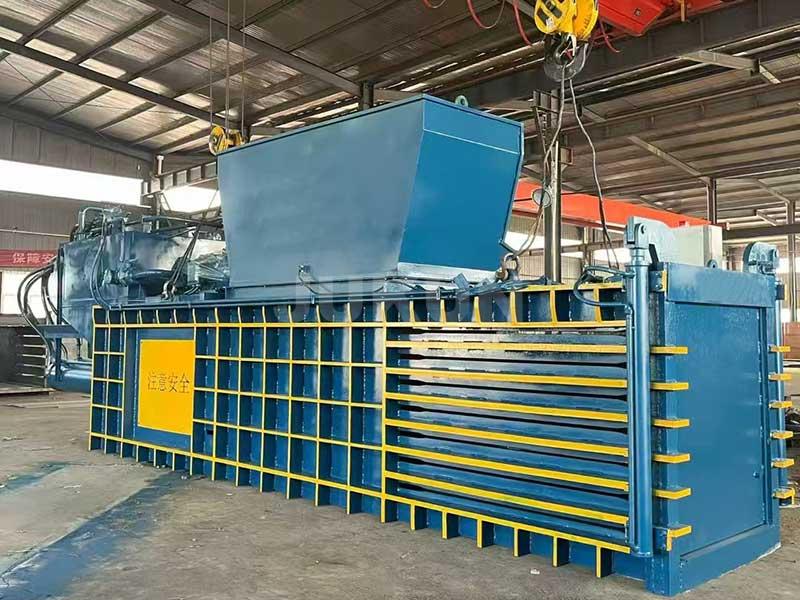
Struggling waste processors become efficiency leaders overnight. Let's explore horizontal balers' transformational impact.
What Is a Waste Paper Baler and How Does It Work in Recycling Operations?
Paper mountains slow sorting lines. Unbaled waste requires constant handling. Workers battle disorganized piles daily. Baling technology creates order from chaos effortlessly.
Waste paper balers compact loose material into uniform blocks using hydraulic cylinders. Load paper into the chamber, activate the press, and output secured bales—turning messy waste into stackable inventory.
Industrial recycling's backbone technology
Every baler operates through three-phase compression:
Feeding Stage Mechanics
- Conveyor belt input systems eliminate manual lifting
- Loading door safety sensors prevent jams
- Pre-compression plates optimize chamber density
I toured a Michigan facility where improper feeding caused weekly breakdowns. After redesigning their hopper angle? Zero downtime in six months.
Compression Power Transfer Hydraulic pressure transforms fluff to bricks:
- Pump builds 2000-3500 PSI pressure
- Fluid drives cylinders forward
- Platen applies even force distribution
Force concentration is critical. One recycling center upgraded from 25-ton to 40-ton cylinders. Their bale density improved 22%—transport costs plummeted.
| Output Standardization Finished bales must meet industry specs: | Parameter | Standard Range | Importance |
|---|---|---|---|
| Bale Weight | 300-1100 kg | Determines transport efficiency | |
| Dimensions | 110x130 cm typical | Pallet compatibility | |
| Wire Ties | 4-8 per bale | Structural integrity during handling |
I'll never forget the Toronto client whose undersized ties caused bale collapses. Their $200 tie upgrade saved $10,000 monthly in reshoring fees.
How Does a Horizontal Baler Improve Waste Paper Recycling Efficiency and Productivity?
Labor shortages cripple sorting facilities. Stagnant paper piles block workflow. Overtime costs drain profits. Automated compaction revolutionizes throughput.
Horizontal balers accelerate processing through continuous feeding and automated cycles. They eliminate manual compression labor while reducing storage footprint by 75%, enabling faster turnaround per shift.
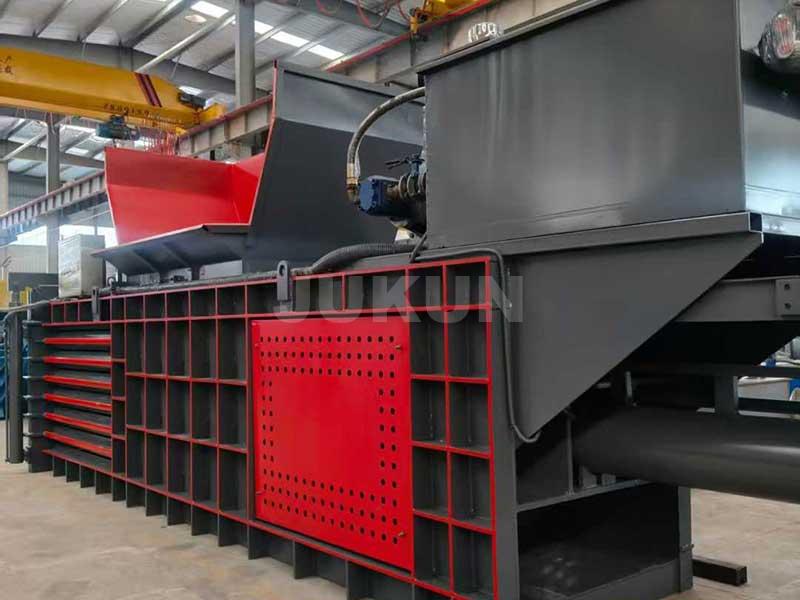
The real efficiency equation
Three measurable impacts transform operations:
Labor Efficiency Multiplier
- One operator manages entire baling process
- Auto-tie systems save 5-7 minutes per bale
- Reduced handling injuries cut compensation costs
A Vancouver recycling hub redeployed 8 workers to revenue-generating roles after installing our auto-feeder. Their payroll efficiency jumped 40%.
Throughput Amplification Compare manual vs. automated output:
| Process Stage | Manual Handling | Baler Automation | Time Saved |
|---|---|---|---|
| Compression | 15 min/bale | 3 min/bale | 80% |
| Material Transfer | Forklift 6 trips | Forklift 2 trips | 67% |
| Storage Capacity | 1 ton/sqm | 3.5 tons/sqm | 250% gain |
Minneapolis facility data shows automated balers process four truckloads in space previously holding one.
Economic Velocity
- Quicker bale production = more frequent sales
- Reduced storage time lowers inventory costs
- Higher density shipments mean fewer trucks
Witnessed a Chicago processor increase monthly shipments from 18 to 32 after automation. Their revenue grew despite paper price fluctuations.
What Features Matter Most in a Waste Paper Horizontal Baler for Industrial Recycling?
Balers fail when critical components underperform. Hydraulic leaks stop production. Weak frames buckle under pressure. Misaligned ties cause bale disintegration.
Prioritize hydraulic system robustness (35+ ton pressure), steel frame thickness (10mm minimum), PLC automation, and safety interlocks. These ensure consistent bale integrity with minimal downtime.
Manufacturing specs that prevent disasters
Through years of breakdown analysis, I recommend these non-negotiables:
Structural Fortitude
- Grade S355 steel frames withstand impact forces
- Hardened cylinder rods resist scoring
- Reinforced weld points prevent fatigue cracks
One client ignored frame specs and spent $52,000 repairing stress fractures. Proper metallurgy prevents such nightmares.
Control System Intelligence Modern PLCs offer:
- Pressure monitoring with auto-shutdown thresholds
- Cycle counting for predictive maintenance
- Energy-saving modes during idle periods
A Kentucky plant reduced power bills 18% after optimizing compression timing through our PLC interface.
Safety Integration Mandatory protective systems:
- Two-hand operation requirement
- Chamber access lockouts
- Emergency pressure release valves
Never compromise safety. An Ohio facility avoided catastrophic injury last year with proper light curtains. Their $15,000 investment saved millions in liability.
How to Choose the Right Waste Paper Horizontal Baler for Your Recycling Business?
Wrong-sized balers gather dust. Underpowered units choke on peak volumes. Overspending cripples cash flow. Strategic balancing prevents expensive missteps.
Measure actual daily waste volume first, then add 20% capacity buffer. Prioritize reliability certifications (CE/ISO), hydraulic compatibility with your waste profile, and verifiable manufacturer testing.
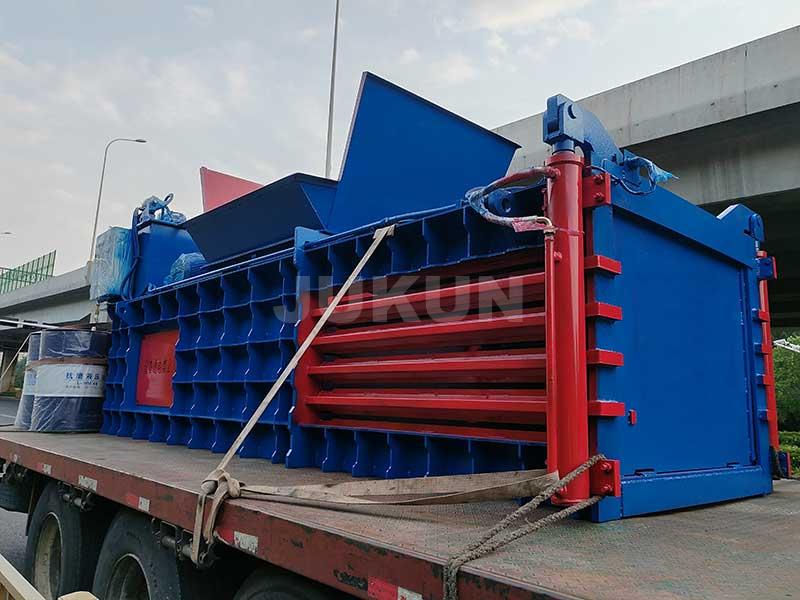
Four selection filters I use professionally
Capacity Validation Audit Track for 10 business days:
- Peak vs average volume variations
- Material type mix (cardboard/OCC/mixed paper)
- Physical space constraints
Montreal waste company discovered their "peak day" occurred weekly—not monthly. Saved them from buying undersized equipment.
| Lifecycle Cost Analysis | Cost Factor | Entry-Level Baler | Industrial Baler | Long-Term Impact |
|---|---|---|---|---|
| Maintenance/Five Year | $28,000 | $7,500 | 73% savings | |
| Energy/Annual | $4,200 | $2,800 | 33% reduction | |
| Resale Value/Five Year | 15% | 45% | 3X return retention |
Your accountant will thank you for these projections.
Manufacturer Vetting Process Demand:
- Factory audit reports
- Hydraulic component certification
- Client references with similar volume
Rejected three suppliers last quarter for falsifying production capacity. Video verifications exposed their limitations.
Customization Flexibility
- Modular conveyor upgrades
- Adjustable platen pressure settings
- Warehouse layout integration kits
Philadelphia recycler avoided $35,000 facility modifications with our low-profile feed system. Custom engineering solved their clearance issues.
Conclusion
Horizontal balers optimize waste paper recycling by automating compression, reducing costs, and maximizing space utilization. Strategic selection ensures continuous ROI.