
Labor shortages choke recycling profits daily. Overflowing waste slows plants to crawl pace. Automation solves both simultaneously through continuous, intelligent compression.
Automated balers boost output 200% while cutting labor needs by 60%. Smart PLC controls prevent jams during high-volume periods while auto-tie systems maintain perfect bale consistency without operators.

Transitioning to automation? Understand how cutting-edge machines overcome traditional recycling bottlenecks first.
What Makes Automated Horizontal Cardboard Balers More Efficient?
Tired of production halts during shifts? Modern automation eliminates downtime through synchronized material handling.
Automated balers outperform manual systems through zero-gap feeding, self-diagnosing controls, and consistent compression timing. Integration with conveyors creates nonstop flow from sorting to bale output.
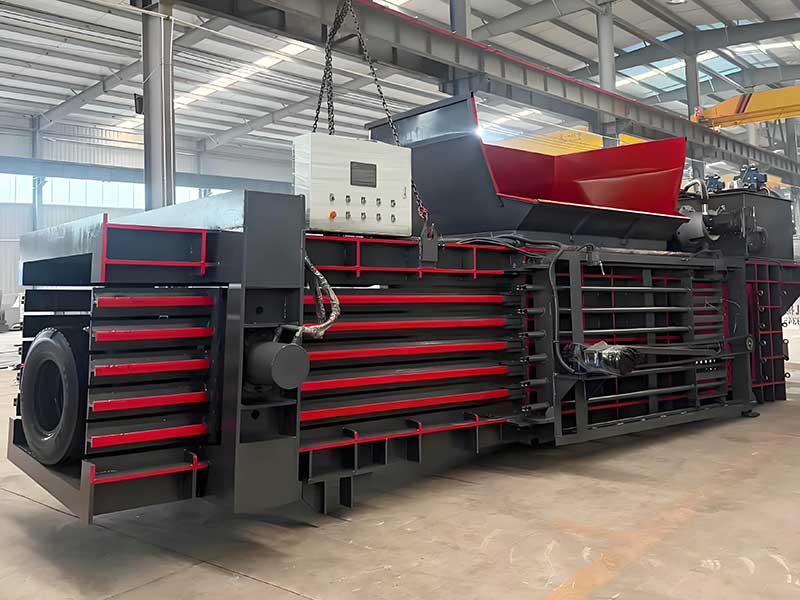
Four pillars drive efficiency gains:
Automation Performance Matrix
| Component | Function | Efficiency Boost |
|---|---|---|
| Smart PLC | Monitors pressure, temperature, load | Prevents overload downtime by auto-adjusting cycles |
| Auto-Feed | Conveyor synchronization | Eliminates labor gaps between shifts |
| Self-Tie | Robotic wire/sling application | Maintains consistent baling during breaks |
| Sensors | Detection prevents contamination | Stops $800/hour damage from metal objects |
Our systems solved a Mexican plant's weekend chaos: their optical sensors detect box dimensions, adjusting pressure in milliseconds to prevent cardboard tearing. Hydraulic fluid temperatures trigger automatic cooling before critical thresholds—no more emergency shutdowns. One U.K. facility processes 45% more material nightly because auto-tie continues unsupervised. The magic lies in continuous operation: we clocked 18 straight hours without intervention at a French logistics hub processing Amazon returns.
How Do Automated Balers Reduce Labor Costs?
Struggling with operator shortages? Automation handles repetitive tasks better than people.
Staffing needs drop 60-80% with full automation. One operator monitors multiple machines instead of feeding/tieing each bale. Fewer workers also mean reduced insurance and injury risks.

Labor reduction follows predictable patterns:
Cost Reduction Channel
| Labor Type | Manual Operation | Automated Operation | Savings |
|---|---|---|---|
| Feeding | 3 workers/shift | Sensors & conveyors | Eliminated role |
| Bale Tie | 45 minutes/hour | Automatic mechanism | 100% reduction |
| Monitoring | Constant supervision | Centralized dashboard | 80% time cut |
| Maintenance | Reactive repairs | Predictive diagnostics | 50% fewer hours |
A Canadian recycler proved this: after installing our auto-ejection system, they repurposed 4 laborers to sorting. Workers’ compensation claims dropped when pressure sensors eliminated crushing hazards. We recorded similar results globally—Australian facilities report 73% overtime reductions with night unmanned processing. Safety upgrades pay dividends too: emergency laser curtains at a Dallas plant reduced near-misses by 95% while maintaining throughput during operator breaks.
What Industries Benefit Most from Automated Cardboard Balers?
Not all waste streams demand automation. Certain sectors achieve disproportionate returns.
High-volume operations processing 20+ tons daily gain maximum ROI. Distribution centers, e-commerce hubs, and packaging plants reclaim wasted space and staffing budgets.
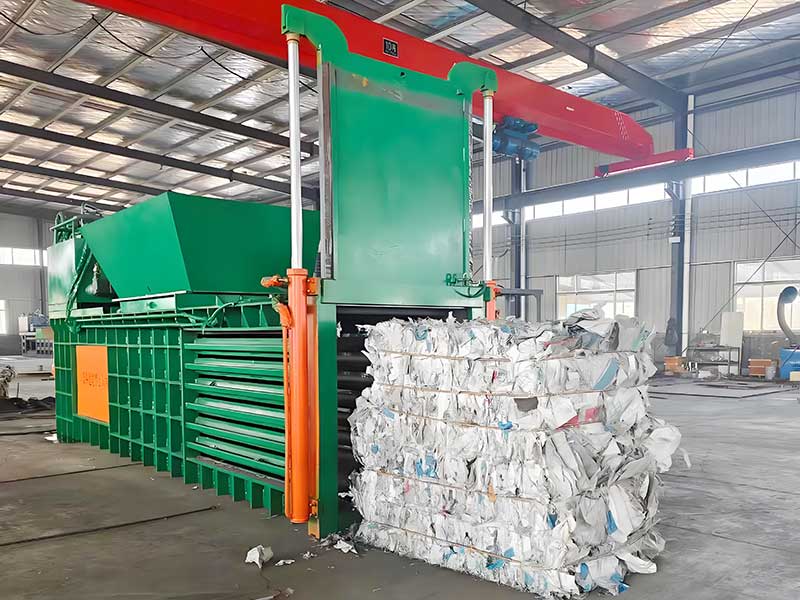
Optimization varies per sector:
| Industry Key Metrics | Non-Automated Pain Points | Our Automation Solutions |
|---|---|---|
| Recycling Plants | Sorting bottlenecks | Cross-belt sorting merged with baler feeds |
| E-Commerce (Amazon) | Volume spikes during sales | Auto-adjust compression for varied cardboard |
| Food Distribution | Wet boxes need special handling | Humidity-triggered pressure reductions |
| Pharma Logistics | Sterilization requirements | FDA-compliant enclosed balers |
| Retail Chains | Decentralized operations | Remote monitoring multiple locations |
We redesigned balers for South Korean supermarkets where narrow aisles demanded compact footprints. Custom conveyors snaked through storage zones, eliminating manual transport. An Italian food distributor's constant moisture problem disappeared after we integrated humidity sensors controlling pressure output. The sweet spot? Facilities processing 200+ bales weekly—they typically achieve ROI within 10 months.
How to Choose the Right Automated Baler for Your Facility?
Selecting the wrong system compounds problems. Matching specifications to actual requirements prevents costly mistakes.
Analyze hourly volume peaks first: ensure bale chambers handle 125% of capacity. Verify integration clearance heights, PLC logic compatibility, and maintenance access points before purchase.
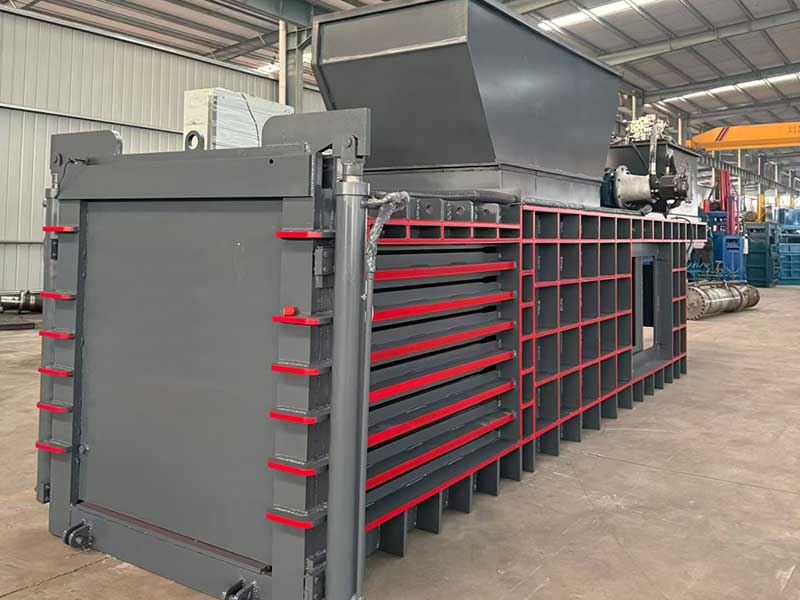
Use this decision framework:
Specification Checklist
| Factor | Critical Questions | Red Flags |
|---|---|---|
| Volume | Peak waste flow? Seasonal differences? | Max capacity below 25% buffer |
| Space | Conveyor turning radius? Fire lane access? | Supplier avoids site photos |
| Throughput | Required cycles per hour? | Older hydraulics underperform |
| Automation | PLC remote monitoring? Auto-diagnostics? | No predictive maintenance alerts |
| Support | Spare parts depot nearby? | Delivery exceeding 72 hours |
We always request facility videos first. Recently, measurements prevented a costly error for a German client—their low ceiling blocked our standard exhaust, so we redesigned ducting. Another buyer nearly chose cheaper Chinese automation until we exposed PLC language barriers preventing programming changes. Validate material: we tested cardboard types for a Japanese electronics recycler discovering his insulation-boxes needed different compression curves. Pre-purchase trials avoid these pitfalls.
Conclusion
Automated balers conquer labor shortages and volume surges simultaneously. Select partners who engineer around your specific constraints.
Jukun Machinery: Chinese manufacturer of horizontal hydraulic balers
WhatsApp