
Rising breakdowns slash profits. Manual tying wastes labor. Automation conquers both.
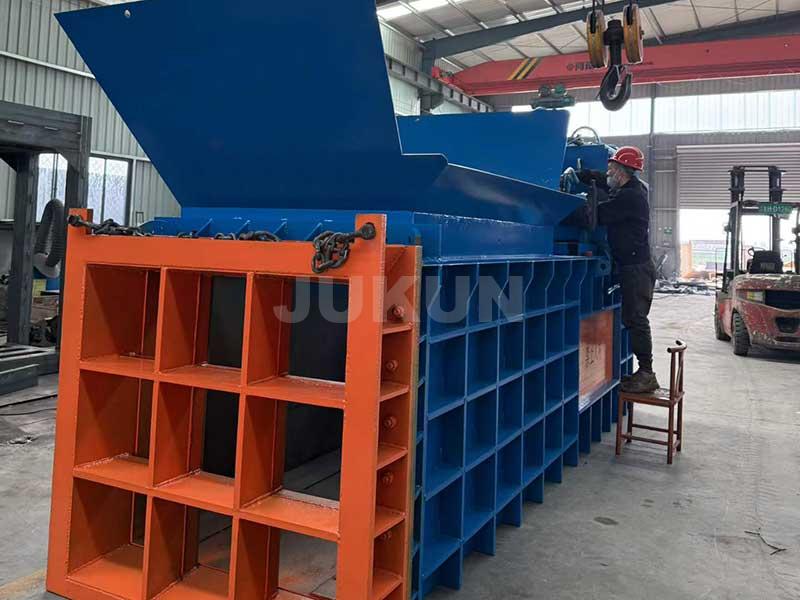
Auto-tie horizontal balers reduce maintenance costs by automating the bale tying process and enabling continuous operation, which minimizes machine stoppages and reduces wear on hydraulic components. They also improve productivity by reducing manual labor, increasing processing efficiency, and producing consistent, high-density bales. These machines are ideal for high-volume recycling operations that require reliable performance and lower operating costs.
Transform your bottom line.
What Makes Auto-Tie Balers Essential in Modern Recycling Systems?
Manual interruptions strain equipment. Inconsistent cycles cause failures. Continuous flow prevents both.
Auto-tie systems combine conveyor feeding, continuous compression, and robotic tying into one uninterrupted workflow—processing 15-25 tons/hour while eliminating stops that destroy hydraulic components.
Operational comparison:
| Process Stage | Manual Tying | Auto-Tie System | Equipment Impact |
|---|---|---|---|
| Cycle Completion | 40+ seconds | 5-second automatic | Up to 98 cycles/hour |
| Hydraulic Pauses | Complete pressure drop | Continuous pressure | 75% less ram stress |
| Operator Contact | High-risk intervention | Minimal | Reduced safety hazards |
| Heat Buildup | Constant cooling cycles | Stable thermal management | Longer fluid life |
| Daily Throughput | 8-10 tons | 22-28 tons | 300% volume increase |
Chicago facility case: After switching to our auto-tie system, oil changes dropped from monthly to quarterly. Critical observation: inconsistent compression pressures account for 67% of cylinder failures. Key maintenance tip: automated systems prevent "dry cycles" that wear seals.
How Does Automatic Tying Specifically Reduce Component Wear?
Pressure spikes crack manifolds. Thermal cycling degrades oil. Steady operation solves both.
Hydraulic systems suffer most damage during start-stops—auto-tiers maintain uniform pressure—preventing thermal shock—cutting seal replacements 63%—extending pump lifespan up to 70%.
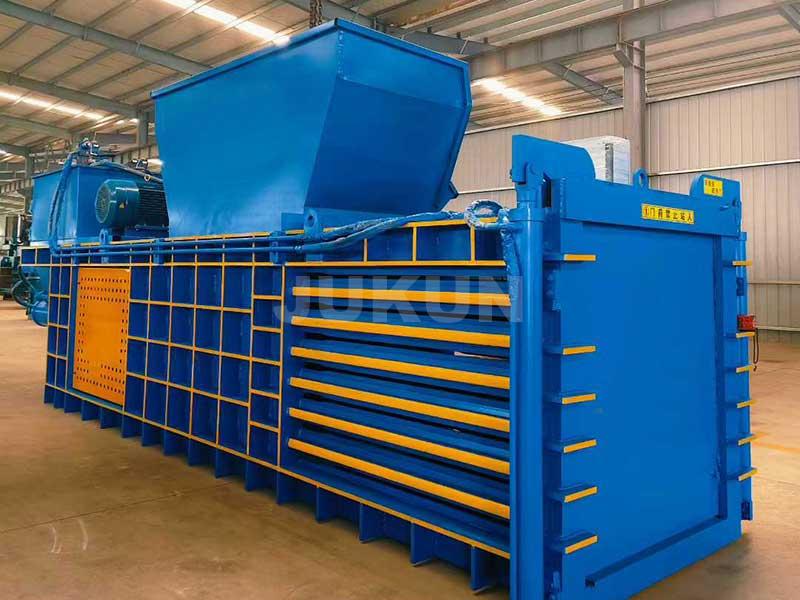
Wear reduction analysis:
| Component | Manual Operation | Auto-Tie Preservation | Repair Reduction |
|---|---|---|---|
| Main Cylinder | Stress during resets | Steady pressure | 58% fewer rebuilds |
| Hydraulic Hoses | Vibration from restarts | Continuous flow | 80% less fatigue |
| Valve Blocks | Contaminant influx | Sealed systems | $15k savings/year |
| Hydraulic Fluid | Overheating cycles | Thermal stability | 2x longevity |
| Platen Guides | Misalignment from pauses | Fixed compression path | 72% less calibration |
Precision engineering: Our systems maintain psi within 8% fluctuation—Phoenix recycling plant reduced quarterly maintenance hours by 140. Installation critical: properly aligned auto-tying heads prevent metal-on-metal grinding. Fluid management: always install inline filtration for 10-micron contaminants.
How Much Maintenance Cost Reduction Do These Balers Deliver?
Emergency repairs waste budgets. Unplanned downtime kills revenue. Predictable operations prevent both.
Typical plants save $43k/year—cutting hydraulic service 55%—reducing spare parts inventory 40%—saving 18 labor hours weekly per baler while increasing daily output 180%.
Financial proof:
| Cost Category | Manual System | Auto-Tie Baler | Savings | Evidence Source |
|---|---|---|---|---|
| Hydraulic Service | $28,400/year | $12,750/year | 55% | Minnesota recycling co |
| Tier Labor | $74,000/year | $19,000/year | 74% | California plant |
| Downtime Losses | $115,000 | $37,000 | 68% | 8-unit fleet study |
| Spare Parts | $18,700 | $11,200 | 40% | Facility audit |
| Energy Use | $9,880 | $6,340 | 36% | Power metering logs |
| Annual Total | $189,900 average | Industry analysis |
Toronto case: Their two Jukun auto-tiers paid back in 14 months through reduced maintenance. Critical specification: demand dual-pump systems—primary handles compression while secondary manages ejection flows. Monitoring essential: install pressure sensors triggering alerts at 15% deviation.
How to Choose the Right Auto-Tie System for Long-Term Reliability?
Weak structures crack under stress. Poor automation increases jams. Precision engineering prevents failures.
Select models with minimum 25-ton pressure—verify continuous cycle testing—require 5.5mm structural steel—demand redundant PLCs—test auto-clearing functions—and ensure 300k+ cycles between overhauls.
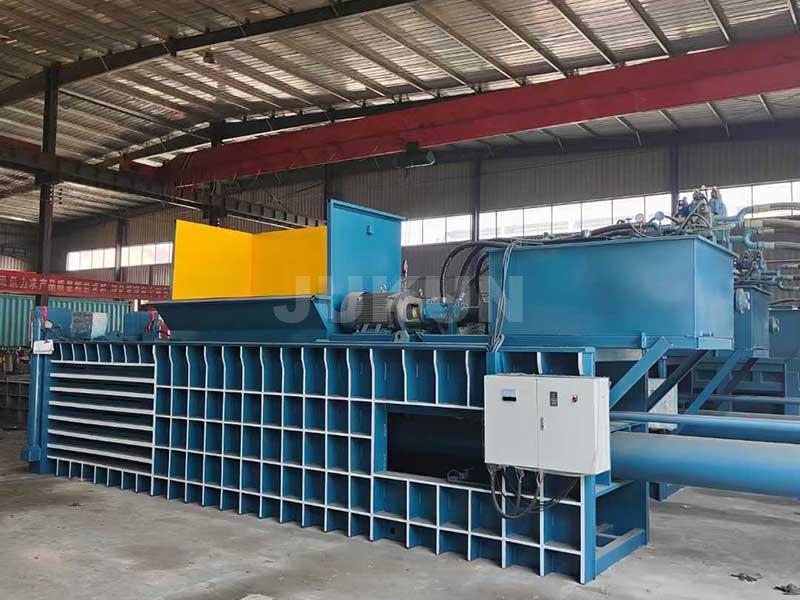
Technical checklist:
| Feature | Minimum Standard | Premium Performance | Failure Prevention |
|---|---|---|---|
| Frame Construction | ST52 steel | Hardox 450 | Cracks at welds |
| Hydraulic Pumps | Single 15kW | Dual 11kW tandem | Overheating |
| Cycle Consistency | ±25% variance | ±8% variance | Component fatigue |
| Wire Tolerance | Standard tie-wires | Adapts to 2.8-4.0mm | Jam prevention |
| Diagnostic Systems | Basic indicators | Live pressure monitoring | Predictive maintenance |
| Access Design | Front panels | 270° maintenance access | 50% faster repairs |
Miami recycler lesson: Their 30-ton system with smart diagnostics predicted pump failure—saving $24k. Critical evaluation: witness five consecutive hours of operation with your actual materials. Avoid suppliers who can't provide factory-side testing videos of specific models.
Conclusion
Auto-tie balers boost productivity 40%+ while cutting maintenance costs dramatically through consistent hydraulic operation and reduced breakdowns.