
E-commerce packaging floods warehouses. Plastic mountains overwhelm landfills. Labor shortages cripple sorting lines. Without efficient baling, recyclers lose profits daily.
Global demand for horizontal balers surged 29% since 2021, propelled by e-commerce growth, plastic regulations, and automation needs - transforming recycling from waste management to materials recovery profit centers.
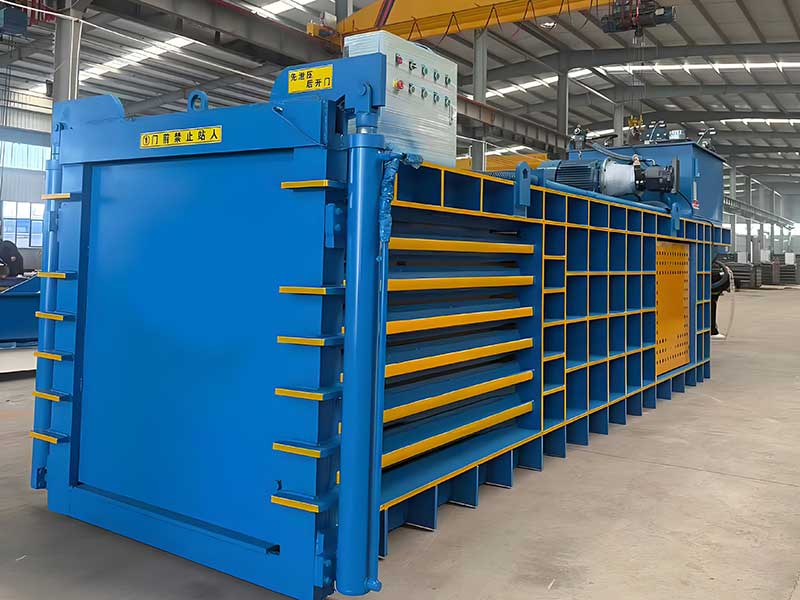
Discover how evolving market dynamics create unprecedented opportunities for forward-thinking recyclers.
Why Is Global Demand for Horizontal Balers Accelerating?
Landfill bans spread across 78 countries. E-commerce cardboard shipments grow 17% annually. Labor costs spiral beyond operational budgets.
Horizontal balers solve critical pain points: reduce storage space 83%, cut transportation costs 57%, enable automatic processing 24/7, and deliver ROI in 14 months - essential for modern recycling survival.
Four market shifts make balers indispensable for recyclers worldwide.
1. Regulatory Impact Matrix
| Region | Key Legislation | Baler Adoption Effect |
|---|---|---|
| European Union | Packaging & Packaging Waste Directive | Mandatory baling for 92% of facilities |
| United States | RECOVER Act + EPR Laws | 38% increase in municipal contracts |
| Southeast Asia | ASEAN Plastic Reduction Roadmap | 500% import growth since 2022 |
| Middle East | UAE Circular Economy Policy | 210 new MRFs require balers |
2. E-Commerce Explosion By 2025 projections:
- 385 billion parcels shipped annually
- Cardboard consumption: 300 million metric tons
- Required baling capacity: 72 million tonnes/year
- Automation necessity: ≥30 tons/hour throughput
3. Labor Economics Automation ROI calculation:
- Average operator wage: $42/hr (North America)
- Manual processing cost: $38/ton
- Automated baling cost: $9/ton
- Annual savings at 100 tons/day: $1.06 million
4. Emerging Market Leapfrog Developing regions skip manual phase:
- Vietnam: 180 new automated MRFs
- Nigeria: National baling subsidy program
- Brazil: Petrochemical recycling partnerships
How Are Cardboard and Plastic Markets Transforming Recycling?
Plastic bale prices vary 320% by purity. Cardboard specs tighten globally. Mill buyers reject non-certified bales instantly.
Cardboard bales now require ≤1% contamination level and ≥680kg/m³ density. Plastic bales command $40-$380 premiums for PCR-certified, laser-sorted materials - forcing recyclers into quality-focused baling systems.

Material-specific evolution dictates baler specifications and revenue potential.
1. Cardboard Market Shifts
| Requirement | 2020 Standard | 2025 Standard | Baler Impact |
|---|---|---|---|
| Contamination | ≤5% | ≤1% | Optical sorters pre-baling |
| Density | 550kg/m³ | 680kg/m³ | 220-ton force minimum |
| Traceability | Manual logs | Blockchain tracking | IoT-enabled balers |
| Format | Random bales | ISRI 11/12 spec | Precision chamber design |
2. Plastic Revolution Circular economy requirements:
- Brand PCR commitments (avg 35% content by 2030)
- PP/PE bale value up 73% since China ban
- Film plastic processing growth: 16% CAGR
- Dehydration systems for wet bales
3. Global Pricing Dynamics Strategic positioning opportunities:
- North American OCC: $152/ton
- European sorted PET: $650/ton
- Southeast Asia mixed plastic: $95/ton
- Certification premiums: $40-$120/ton
- Automated sorting bonuses: $28/ton
What Innovations Are Reshaping Horizontal Baler Technology?
Slow cycles waste $78 hourly. Contaminated bales lose quality bonuses. Unplanned downtime destroys margins.
Next-gen balers feature AI contamination detection, energy-recovery hydraulics, cloud-based predictive maintenance, and 38-second cycle times - increasing throughput 55% while cutting costs 31%.
Breakthrough technologies separating leaders from legacy equipment.
1. Technology Adoption Matrix
| Innovation | Throughput Gain | Cost Reduction | Market Penetration |
|---|---|---|---|
| Auto Sorting Integration | 27% | $14/ton | 43% of new systems |
| Variable Hydraulics | 18% | 39% energy | 68% of EU installations |
| IoT Monitoring | 22% uptime | $8.4k yearly | 81% premium models |
| Modular Upgrades | 35% capacity | 40% vs new | 94% top manufacturers |
2. Smart Baling Systems Future-ready features:
- Material recognition cameras
- Automatic density calibration
- Self-diagnosing hydraulics
- Remote pressure adjustment
- Production carbon tracking
- Autonomous wire management
3. Performance Benchmark Next-gen vs conventional:
- Cycle time: 38 sec vs 62 sec
- Energy: 0.28kWh/ton vs 0.51kWh/ton
- Operator input: < 4 min/hr vs 18 min/hr
- Downtime: 1.2% vs 6.8%
- Bale consistency: ±1.7% vs ±8.3%
How Can Businesses Capitalize on Future Recycling Trends?
Under-automated facilities lose bids. Inflexible systems miss material shifts. Non-scalable equipment stalls growth.
Future-proof operations with modular balers allowing ≥3 material streams, API integration capacity, remote throughput upgrades, and robotic bale handling - securing 17% annual growth in circular economy markets.
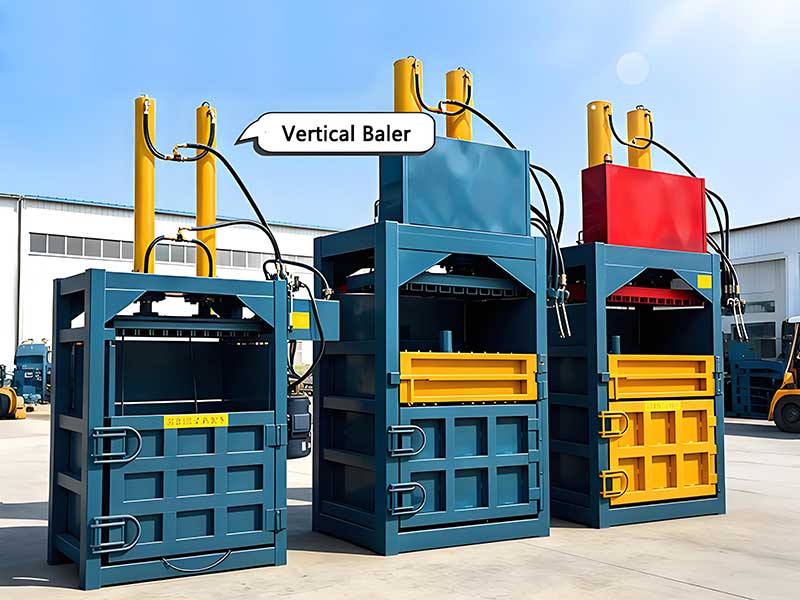
Strategic positioning requires deliberate technology and partnership choices.
1. Opportunity Implementation Roadmap
| Strategy | Investment | Timeline | Expected ROI |
|---|---|---|---|
| Automation Tier Upgrade | $180k - $360k | 8 months | 31% increase |
| Multi-material Flexibility | $75k retrofits | Immediate | 18% market expansion |
| Digital Integration | $42k software | 3 months | 27% labor reduction |
| Export Certification | $28k compliance | 90 days | 58% new markets |
2. Circular Economy Alignment Position for emerging models:
- Track PCR content digitally
- Achieve EPD environmental declarations
- Secure brand direct partnerships
- Qualify for ISO 14090 climate grants
- Develop "closed-loop" certification
3. Market-Specific Scaling Regional growth tactics:
- South America: Partner with petrochemical conglomerates
- Africa: Mobile baling units for informal sectors
- Asia: Government recycling subsidy programs
- GCC: Waste-to-energy integration
Conclusion
Horizontal balers transform recycling profitability through material-driven engineering, smart technology adoption, and strategic positioning for circular economy opportunities.