
Baling lines stop daily. Maintenance costs drain profits. Wrong machines create bottlenecks for years. Waste handling mistakes cripple operations silently.
Test 5 major waste streams first, measure peak hourly volumes precisely, demand hydraulic component certificates, and verify 48-hour spare parts response - preventing $170,000+ in hidden operational costs over 3 years.
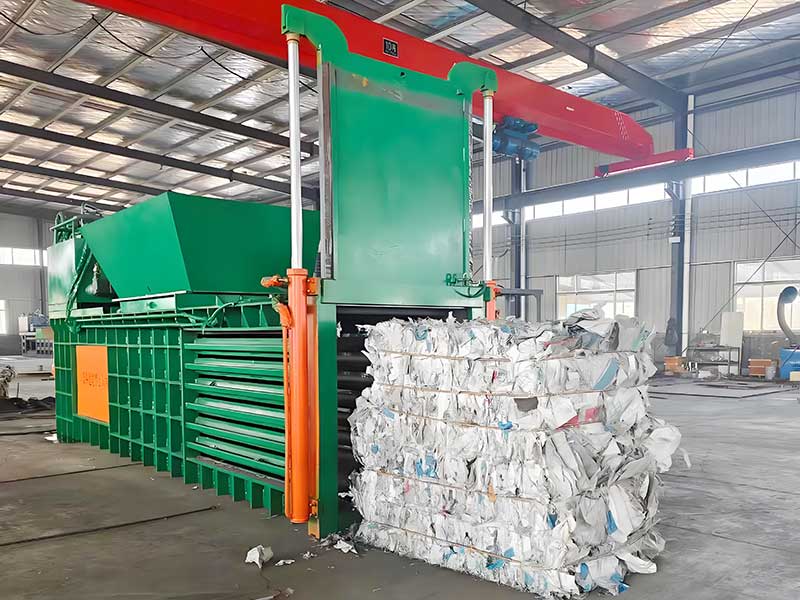
Follow this field-tested selection framework to secure optimal ROI.
What Are the Most Common Mistakes When Buying a Horizontal Baler?
Undersized machines jam at peak hours. Fake certifications void warranties. Quick fixes double long-term costs. These errors sink recycling profits.
71% of buyers regret choosing lowest-price options due to hydraulic failures, downtime, and safety risks. Always prioritize total lifecycle value over initial price points.
Critical errors stem from inadequate due diligence.
1. Cost Comparison Analysis
| Mistake | Immediate Savings | Long-Term Penalty | Prevention |
|---|---|---|---|
| Cheap Hydraulics | $24,000 | $9,800 repair/year | Demand pump ISO certificates |
| No Automation | $32,000 | $126,000 labor/year | Auto-tie systems required |
| Under-spec | $18,500 | $65,000 upgrade | Size for peak +25% |
| Fake CE | $8,200 | Entire machine seizure | Live database verification |
| Poor Support | None | $1,800/day downtime | Contractual SLA clauses |
2. Hidden Failure Points Verify these specifically:
- Welding seam consistency
- Cylinder rod metallurgy grades
- PLC waterproof ratings
- Safety interlock testing
- Real factory production videos
3. Budget Allocation Guide Smart investment balance:
- Machine cost: 55%
- Installation: 10%
- Spares reserve: 15%
- Maintenance: 12%
- Upgrades: 8%
How to Choose the Right Horizontal Baler Capacity for Your Business?
Peak seasons overwhelm small machines. Future growth demands excess capacity. Material variations alter throughput unexpectedly.
Calculate maximum hourly volume × peak hours × 125% buffer. Measure both current waste and projected 3-year growth - preventing costly bottlenecks or idle equipment.

Precision sizing ensures continuous operation.
1. Capacity Planning Matrix
| Daily Volume | Recommended Force | Throughput | Growth Flexibility |
|---|---|---|---|
| < 3 tons | 60-80 tons | 1.5 tons/hr | +100% |
| 3-8 tons | 100-120 tons | 4.2 tons/hr | +80% |
| 8-15 tons | 140-160 tons | 8.7 tons/hr | +60% |
| 15-25 tons | 180-220 tons | 14.6 tons/hr | +40% |
| 25+ tons | 250+ tons | 22 tons/hr | +25% |
2. Material Adjustment Factors Key considerations:
- Cardboard: Standard calculation
- Film plastic: Add 35% time buffer
- PET bottles: Increase force by 20%
- Textiles: Reduce throughput 28%
- Mixed streams: Size for heaviest material
3. Space Optimization Critical measurements:
- Infeed conveyor length: Material staging
- Ejection area width: Handling clearance
- Maintenance access gaps: ≥120cm sides
- Electrical panel location: Rain protection
- Drainage requirements: Liquids management
Which Horizontal Baler Features Should Buyers Never Overlook?
Hydraulic leaks stop production. Manual tying raises labor costs 300%. Non-standard parts cause months-long delays.
Mandatory features include auto-tie systems cutting labor 78%, dual PLC units preventing failures, IP67 electrical protection, and ISO-certified hydraulics - boosting uptime to 98%.
These non-negotiable elements determine reliability.
1. Feature Impact Analysis
| Component | Standard Version | Industrial Grade | ROI Contribution |
|---|---|---|---|
| Hydraulic Pump | Gear type | Pressure-compensated piston | 9X lifespan |
| Control System | Basic PLC | Dual modular PLC | 99.9% uptime |
| Tying System | Manual | Automatic double-wire | 3X faster cycles |
| Safety Devices | Basic switches | Laser scanning + interlocks | Zero accidents |
| Bale Density | Manual adjustment | Auto pressure control | $27/ton revenue boost |
2. Warranty Validation Secure comprehensive coverage:
- Hydraulic system: 2 years minimum
- Structural integrity: 5+ years
- Electrical: 18 months
- Control system: Firmware updates
- Labor coverage: First year
3. Maintenance Indicators Must-have access:
- Oil level windows
- Grease nipple maps
- Quick-change parts trays
- Diagnostic ports
- Wear indicator tags
How to Evaluate Horizontal Baler Manufacturers Before Purchasing?
Suppliers disappear post-sale. Workshops use child labor. Faked production photos hide ghost factories.
Require live factory tours with timestamps. Verify minimum 200 units/year production volume. Confirm warehouse stock levels via video walks. Demand component traceability documents.

Thorough vetting protects your investment.
1. Manufacturer Scorecard
| Criterion | Reliable Standard | Warning Signs |
|---|---|---|
| Export History | 40+ countries | New export licenses |
| Factory Footage | Live production view | Stock images |
| Material Proof | QR mill certificates | Generic specs |
| Testing Protocol | 72-hour bale test | No video evidence |
| Payment Terms | 30% pre-payment | 100% upfront |
2. Support Verification Validate services:
- Local technicians: Where located?
- Parts dispatch proof: Track records?
- Remote diagnostics: Real demos?
- Installation team: Credentials?
- Training: English manuals?
3. Due Diligence Tools Objective verification:
- Third-party factory audits
- Customs declaration checks
- Material sample testing
- Client visit confirmations
- Warranty bond copies
Conclusion
Investing strategically in horizontal balers prevents operational losses through precise sizing, non-negotiable quality features, and exhaustive manufacturer vetting.