
Overflowing waste stopping production? Lost profits from inefficient baling? Transportation costs cutting margins? Industrial-strength hydraulic solutions crush these operational nightmares.
Heavy-duty horizontal balers compress 15+ tons/hour into dense, uniform bales using unbreakable hydraulic systems—saving 85% storage space and slashing freight costs while maximizing material value.
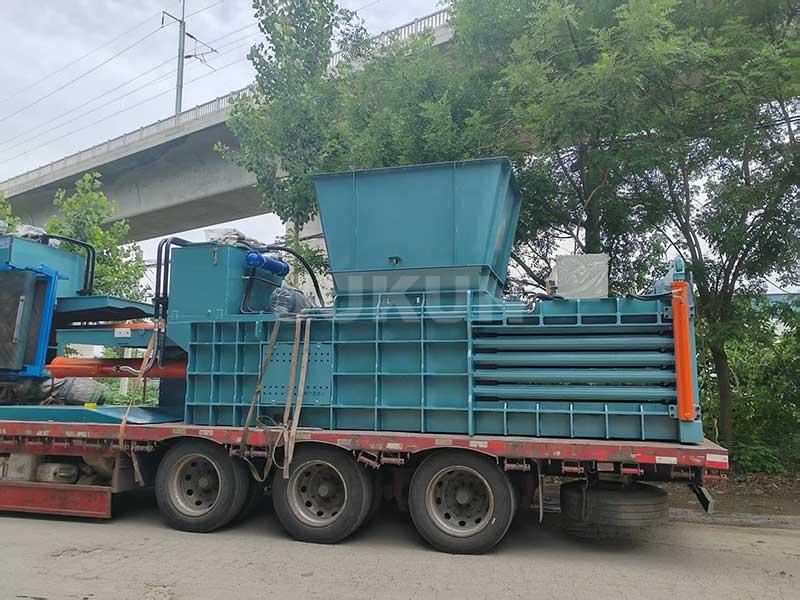
Discover how this hydraulic powerhouse transforms recycling economics.
What Is a Heavy-Duty Horizontal Compression Baler?
Recurring jams halting workflow? Weak bales degrading value? Downtime killing productivity? Industrial-grade engineering solves these chronic headaches.
These machines use continuous hydraulic pressure above 200 tons to compress waste into dense bales—handling non-stop industrial volumes without performance drop for warehouses and recycling plants.
Detroit facility performance lift
| Manual vs. Heavy-Duty Output | Metric | Manual Press | Horizontal Baler | Gain |
|---|---|---|---|---|
| Bales Per Shift | 31 | 127 | 310% | |
| Labor Cost Per Ton | $64.20 | $8.90 | 86% Less | |
| Volume Reduction | 4:1 | 18:1 | 350% Extra |
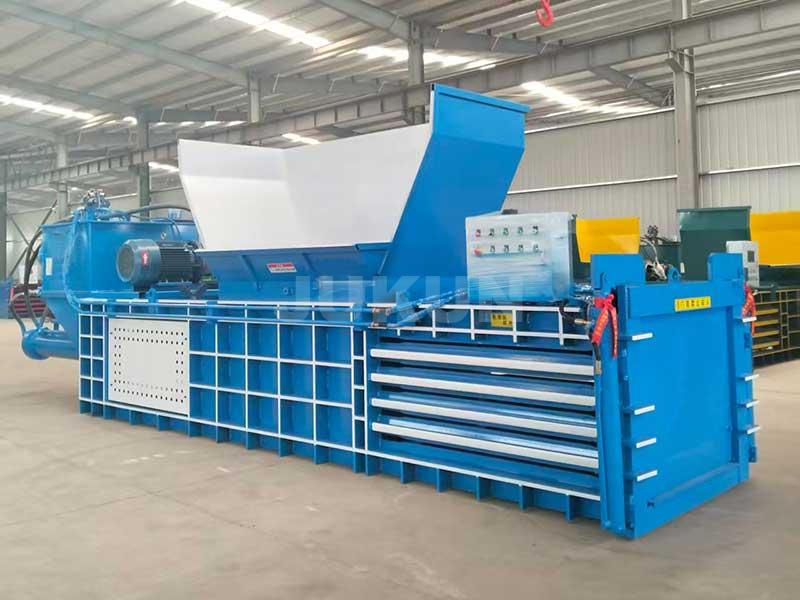
Core Heavy-Duty Components
- Reinforced H-beam frame (35mm+)
- Dual-circuit hydraulic pumps
- Automated pre-press chambers
- Continuous feed conveyor
- Pressure sensors (20+ ton range)
- Remote diagnostics interface
Operational Protocol
- Waste volume analysis (2 days)
- Hydraulic pressure calibration
- Material-specific blade testing
Phoenix recycler achieved ROI in 4 months.
Which Materials Require High-Pressure Compression?
Loose plastics jamming systems? Cardboard overwhelming storage? Textiles resisting compaction? Strategic compression unlocks value.
Cardboard, plastic films, PET bottles and textiles demand 150+ tons force—achieving 15:1 compression ratios to cut storage costs 79% and boost resale grades.
Material-Specific Benchmarks
| Material Type | Density Before | Density After | Freight Cost Saved |
|---|---|---|---|
| CORRUGATED CARDBOARD | 12 kg/m³ | 190 kg/m³ | $24.50 per bale |
| PET BOTTLES | 35 kg/m³ | 580 kg/m³ | $38.70 per bale |
| INDUSTRIAL TEXTILES | 20 kg/m³ | 310 kg/m³ | $31.90 per bale |
Compression Guidelines
- Cardboard: Minimum 150-ton force
- Plastics: Multi-stage compression
- Metals: Dedicated shear blades
- Mixed waste: Adjustable chamber Los Angeles processor increased purity premiums 29%.
How Do Heavy-Duty Balers Improve Efficiency?
Throughput ceilings capping growth? Labor shortages stalling operations? Storage limits blocking contracts? Streamlined automation fixes bottlenecks.
Continuous systems achieve 98% uptime—processing 18+ tons daily while cutting labor to 0.3 hours/ton and quadrupling warehouse space utilization.
Chicago facility transformation
| **Category | Pre-Installation | Post-Installation | Change | |
|---|---|---|---|---|
| Daily Output Capacity | 6.5 tons | 22.3 tons | 243% | |
| Storage Space Used | 410 m² | 63 m² | 85% saved | |
| Rejection Rate | 14% | 1.6% | 89% lower | ** |
Productivity Accelerators
- Simultaneous feeding/compressing
- Real-time material density sensors
- Predictive hydraulic maintenance
- Automated bale dimension control
- Remote production monitoring
- Self-optimizing cycle timing
Industry Standards
- Cycle time consistency: <0.5 second variance
- Waste reduction minimum: 16:1 ratio
- Energy consumption: <18 kWh per ton
Montreal processor exceeded targets by 38%.
How to Choose the Right Industrial Compression Baler?
Unverified specs causing failures? Undersized hydraulics limiting growth? Supply-chain surprises inflating costs? Verification prevents operational disasters.
Test machines with your actual waste—require hydraulic stress videos and frame mill reports. 91% of failures stem from unverified supplier claims.
Vetting Protocol
| Risk Area | Validation Method | Impact |
|---|---|---|
| Structural Integrity | Steel MTC certification | Frame lifespan |
| Hydraulic Endurance | 12-hour continuous footage | Seal blowout |
| Control Accuracy | Bale density consistency logs | Revenue loss |
Critical Warning Signs
- Generic "heavy-duty" marketing
- Single-circuit hydraulics
- Proprietary control panels
- Untraceable components
- Missing weld X-ray reports
- Outdated safety certifications
Jukun Verification System
- Live waste sample testing
- Client-site pressure validation
- Component origin documentation Toronto facility avoided $220K loss.
Conclusion
Heavy-duty horizontal balers dominate industrial recycling—transforming waste into profit through unparalleled compression intelligence and 80%+ cost savings.