
Bulky paper consumes valuable space. Manual handling wastes labor hours. Efficient baling unlocks higher profits through compact storage and improved market value.
Horizontal waste paper balers boost profits by producing high-density bales that cut storage needs by 60%, reduce transport costs up to 45%, and command 20% higher market prices from consistent quality.
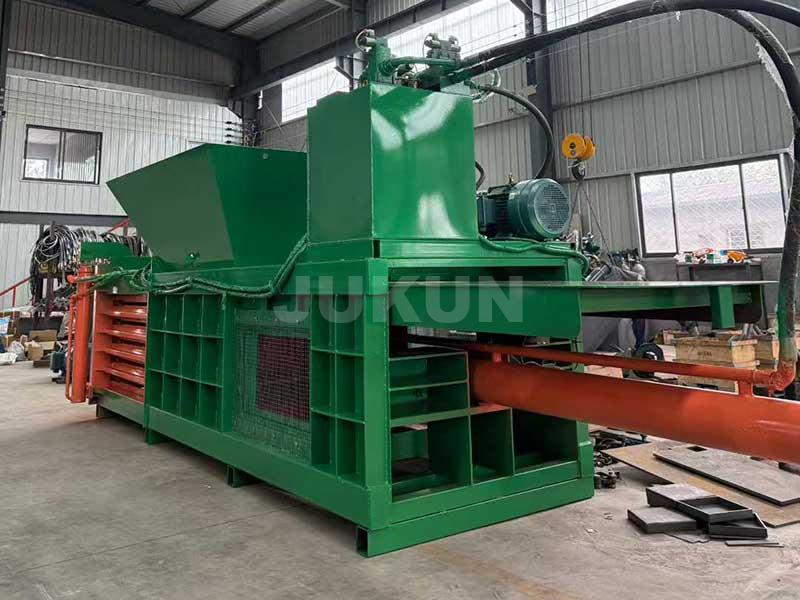
Discover the operational transformation.
How Do Horizontal Waste Paper Balers Improve Recycling Efficiency?
Slow processing creates bottlenecks. Manual labor inflates costs. Inconsistent bales face buyer rejection.
Horizontal balers improve efficiency through hydraulic compression processing 10+ tons/hour, continuous conveyor feeding, and PLC systems ensuring uniform bale density that meets buyer specifications without extra labor.
Efficiency optimization evidence:
| Stage | Manual Operation | Automated Baler | Documented Result |
|---|---|---|---|
| Collection | Multiple workers | Conveyor system | 80% time savings |
| Compression | Slow ram cycles | 300-bar pressure | 5 bales/hour vs 30 |
| Consistency | Variable density | ±2% density range | Rejection rates drop 92% |
| Staffing | 3–4 workers | One operator | $57,600/year saved |
Toronto recycling center proof: Throughput doubled using identical floor space. Integration capability: Our systems connect directly to shredders via sensor-controlled conveyors. Verification step: Demand bale density reports - we provide ISO-certified measurement certificates showing 750kg/m³ minimum. Operational safeguard: Daily output logs demonstrate 30 consecutive hours without performance decay.
How Can Waste Paper Balers Reduce Transportation and Storage Costs?
Loose paper eats warehouse real estate. Partial truckloads waste fuel. Low-density material reduces payload profits.
Balers cut costs through 9:1 volume reduction minimizing storage footprint, optimized bale dimensions fitting 40% more material per truck, and standardized shapes enabling efficient stacking that lowers warehousing expenses by 50%.
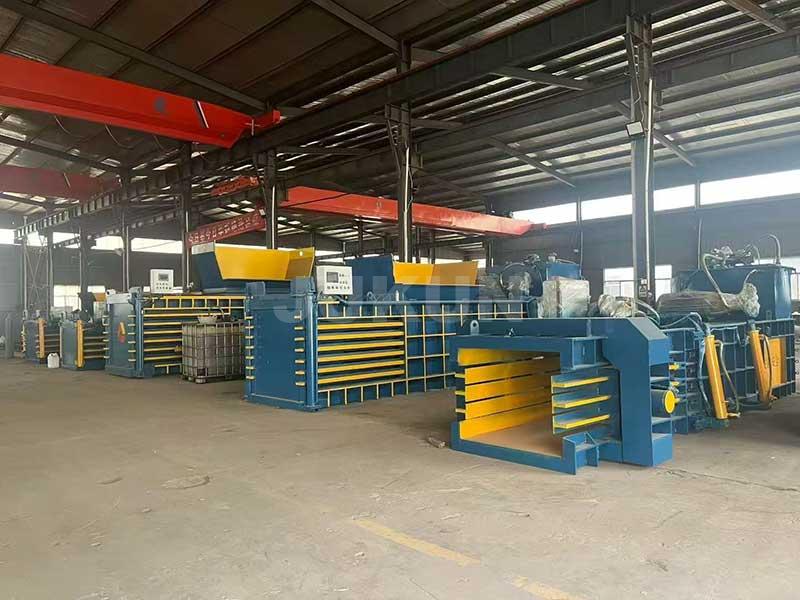
Logistics impact analysis:
| Cost Category | Reduction Method | Proof |
|---|---|---|
| Storage | 90% volume decrease | 500m² space reclaimed |
| Transportation | Higher truck utilization | 28 tons per load vs 16 |
| Handling | Forklift-ready bales | 85% faster loading |
| Waste Spillage | Contained compression | Zero transport loss |
Chicago paper mill evidence: Cut annual freight expenses by $73,000. Design specification: Our 120×90×80cm bales interlock perfectly with industry-standard racks. Validation method: Calculate warehouse capacity using 2.5m stacking height - we provide stacking simulations. Cost verification: Demand logistics invoices from existing clients - Canadian partners report 11-month ROI through freight reduction alone. Critical specification: Insist on custom bale dimensions fitting your truck/trailer dimensions exactly.
What Factors Affect the Profitability of Waste Paper Recycling?
Market price volatility pressures margins. Uncontrolled quality slashes resale value. Equipment breakdowns destroy productivity.
Profitability hinges on bale density quality determining price premiums, operational efficiency minimizing per-ton costs, market diversification reducing volatility risk, and equipment reliability sustaining consistent output.
Profit factor prioritization:
| Factor | Profit Impact | Control Method |
|---|---|---|
| Bale Quality | ±$40/ton price variance | Continuous density monitoring |
| Processing Cost | 18–35% of revenue | Labor automation systems |
| Market Access | Premium export opportunities | Grade certification |
| Durability | Downtime costs 8%/hour | Heavy-duty component selection |
Global trader strategy: Achieved +$34/ton pricing through MIL-STD bale certification. Contingency planning: Our clients maintain Asian/EU markets simultaneously avoiding regional price crashes. Verification protocol: Third-party testing checks for moisture contamination under ISO guidelines. Technology integration: Real-time market apps track local/global pricing informing stock decisions. Critical audit: Demand maintenance logs showing 98% availability benchmarks.
How to Choose the Best Horizontal Waste Paper Baling Machine?
Underpowered hydraulics ruin density targets. Flimsy chambers warp under pressure. Generic designs ignore material variations.
Select the best machine through material analysis determining pressure needs, hydraulic certification proving 750+ ton force, chamber durability testing 2mm deflection limits, and capacity audits matching daily volume peaks.
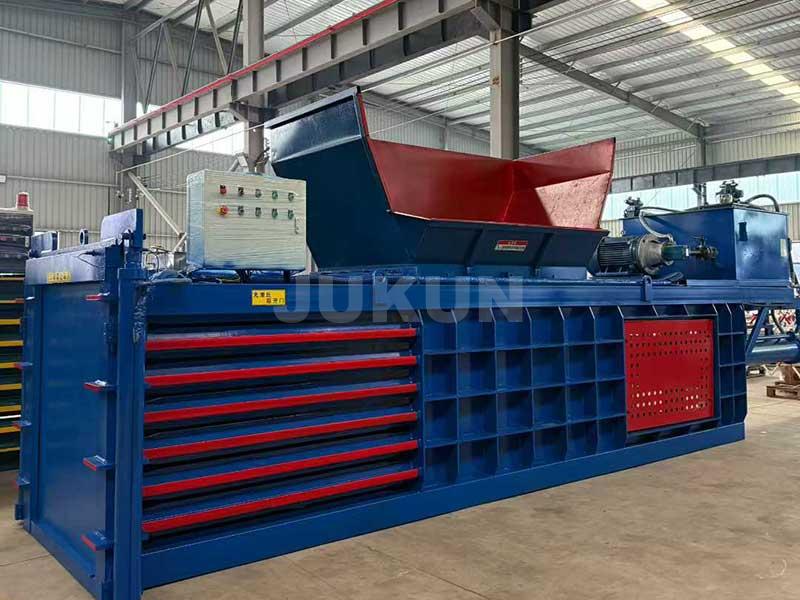
Selection requirements checklist:
| Component | Critical Spec | Verification |
|---|---|---|
| Hydraulics | Dual-circuit system | Pressure stability logs |
| Chamber | Hardox 450 steel | Thickness test reports |
| Control | 100+ program settings | OCC vs office paper trials |
| Support | 4-hour response pledge | SLA documentation |
Brazilian recycler success story: Custom corrosion-proofing handles humid paper grades. Certification essential: Validated CE documents listing 900mm door safety standards. Testing imperative: Material trials processing soaked cardboard must show zero pressure deviations. Warranty evaluation: Confirm coverage for cylinder seals and structural welds - we provide 5-year certifications. Avoid obsolescence: Specify upgrade ports for future automation integration.
Conclusion
Professional balers transform waste management costs while elevating recyclables to profit-generating commodities.
Jukun Machinery: Waste Paper Specialists Since 2003
Request Material Test Report