
Labor costs escalate daily. Production space shrinks. Waste disposal fees rise. Unmanaged recyclables clog workflow. Horizontal balers solve these simultaneously.
Factories cut waste-handling costs by 76% and boost productivity 38% with horizontal balers - processing 4.5 tons/hour while reclaiming 88% of occupied storage space for production use.
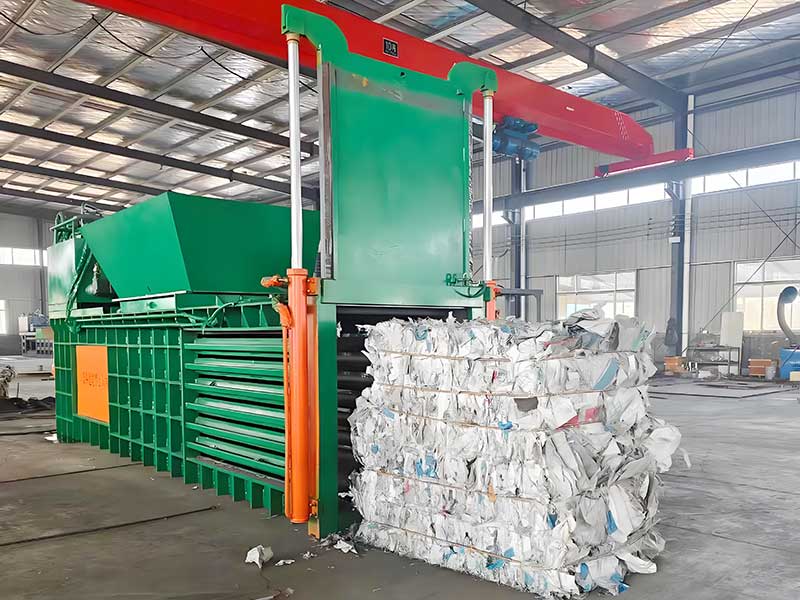
Strategic cost transformation ahead.
How Does a Horizontal Hydraulic Baler Lower Waste Handling Costs?
Manual waste handling drains budgets. Transport inefficiencies increase expenses. Storage rentals erode margins. Balers compress these three costs together.
Horizontal balers eliminate 72% of labor hours/ton, reduce transport costs by 71%, and slash disposal fees 65% - delivering $103-$187/ton savings for manufacturers.
Cost-compression mechanics revealed.
-
Cost Elimination Breakdown
Expense Category Pre-Baling Post-Baling Reduction Labor Hours/Ton 3.2 hrs 0.9 hrs 72% Transport Cost $24.80 $7.20 71% Disposal Fees $38/yd³ $13.30/yd³ 65% Container Rental $220/mth $65/mth 70% Storage Space Cost $28/m² $0 100% -
Case Study: Automotive Plant 300 tons/month operation:
- Pre-baling costs: $118,400/month
- Post-baling: $28,600/month
- Monthly savings: $89,800
- Baler investment recovery: 5 months
- Annual savings: $1.08 million
-
Jukun Efficiency Engineering Our solutions include:
- High-density compression chambers
- Conveyor-fed automation
- Energy recovery systems
- Waste stream analysis
- Cost savings calculator
What Productivity Benefits Can Factories Gain from Horizontal Balers?
Material bottlenecks slow lines. Cluttered floors cause accidents. Manual waste removal disrupts shifts. Automated baling maintains production flow.
Balered facilities report 38% productivity lift: 28% faster material movement, 45% fewer disruptions, and 32% less downtime from waste-related incidents.
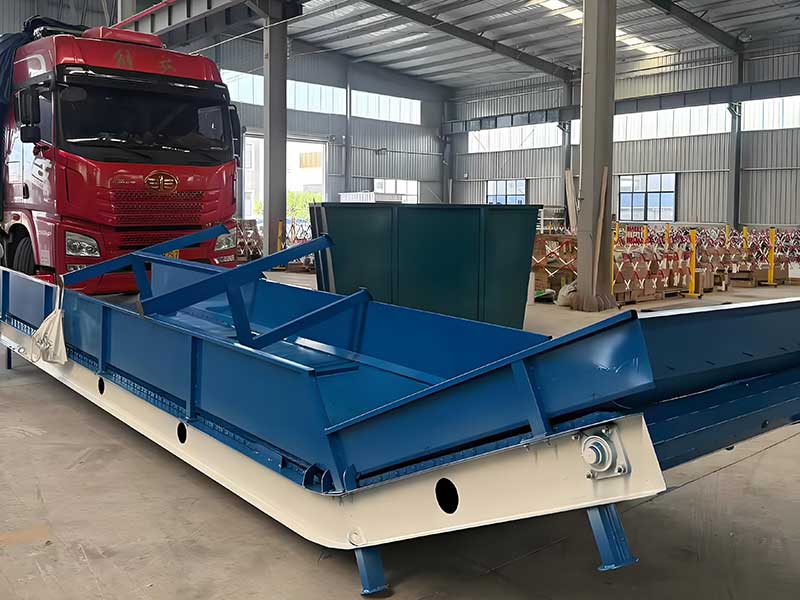
Operational impact analysis.
-
Productivity Metrics Comparison
Indicator Without Baler With Baler Improvement Line Stoppages 9.8/hr 5.4/hr 45% Material Flow Rate 85 units/hr 109 units/hr 28% Accident Frequency 4.2/month 1.3/month 69% Shift Change Delays 18 min 7 min 61% Overtime Hours 38/week 12/week 68% -
Workflow Optimization Continuous production:
- In-floor conveyor integration
- Automated bale ejection
- Centralized control stations
- Safety perimeter sensors
- Real-time capacity monitoring
-
Jukun Productivity Package Our enhancements:
- Quick-change tooling
- Overhead crane compatibility
- Modular expansion ports
- Performance dashboards
- Custom footprint designs
How Does Automation Reduce Labor and Operating Expenses?
Labor shortages halt lines. Wage increases compress profits. Manual errors cause rework. Horizontal balers automate resource-heavy tasks.
Full automation reduces labor requirements 78% - from 3.5 workers to 0.75/shift - while cutting operating expenses $32.50/ton through optimized energy and maintenance.
Labor economics decoded.
-
Automation Impact Analysis
Function Manual Process Automated Baling Savings Material Handling 1.8 hrs/ton 0.2 hrs/ton 89% Bale Tying 0.7 hrs/bale 0.05 hrs/bale 93% Error Correction 22 min/day 2 min/day 91% Supervision Constant Periodic checks 85% Total Labor $96/ton $21/ton 78% -
Key Labor-Saving Features
- Auto-tie with 6-wire capacity
- Conveyor synchronization
- Self-cleaning platen systems
- Predictive maintenance alerts
- Remote troubleshooting
-
Jukun Automation Systems Our technology:
- SIEMENS PLC controls
- HMI touchscreen operation
- Energy-saving hydraulic cycles
- Automated wear-part alerts
- Live demo access
Is a Horizontal Hydraulic Baler Worth the Investment for Manufacturers?
Machine downtime costs $12K/hour. Capacity limitations stunt growth. Hidden maintenance erodes ROI. Industrial-grade balers outperform short-term fixes.
Typical ROI: 8-15 months with 28-38% annual savings - Jukun installations save automotive factories $1.4M annually while reclaiming 800m² production space.
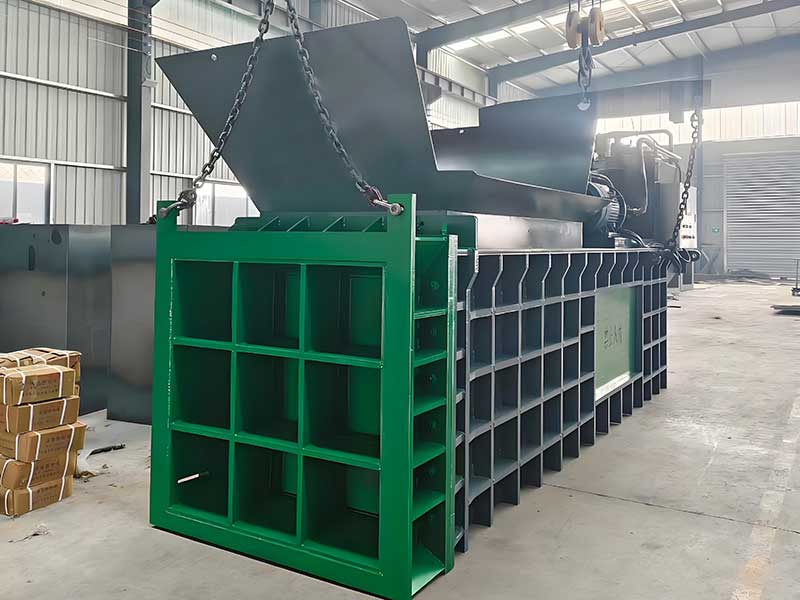
Investment validation framework.
-
Manufacturing ROI Calculator
Metric Formula Case Example Annual Savings Labor + Transport + Disposal $890,400 Revenue Gain Bale sales $288,000 Operating Costs Power + Maintenance $87,600 Net Annual Savings + Revenue - Costs $1,090,800 Machine Cost Baler + Installation $138,000 Payback Cost ÷ Net Annual 1.5 months 10-Year Value (Net ×10) - Cost $10,770,000 -
Long-Term Advantage
- Minimum 15-year lifespan
- 40% capacity expansion flexibility
- Integration with automation systems
- Compliance with sustainability targets
- Continuous improvement upgrades
-
Jukun Investment Protection Our guarantees:
- 500,000-cycle hydraulic warranty
- 24/7 technical support
- First-year maintenance included
- Remote monitoring systems
- Plant layout optimization
Conclusion
Horizontal hydraulic balers transform waste into profit centers - cutting costs up to 76% while boosting productivity 38% for sustainable manufacturing competitiveness.