
Waste piling up faster than you can process it? Storage costs devouring your budget? Recycling profits shrinking? Finding the right baler transforms chaos into cash flow.
High-efficiency horizontal balers use hydraulic pressure to compress cardboard and paper into dense bales. They slash storage space 85%, accelerate processing 3x, and boost recycling profits by turning waste into uniform marketable goods.
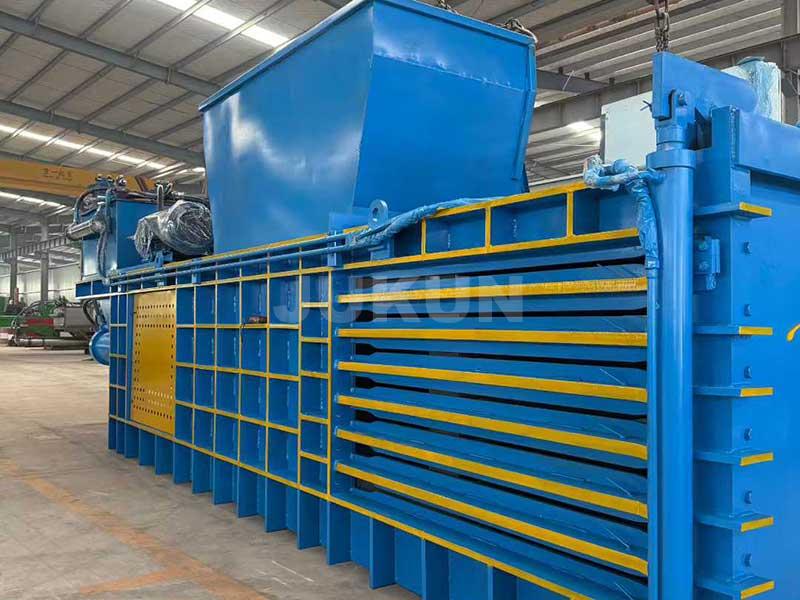
When recycling efficiency defines profitability, machine selection becomes your ultimate competitive edge.
What Materials Can Cardboard and Paper Balers Process?
Corrugated boxes jammed in loading docks? Mixed paper piles breeding insects? Plastic film clinging to recyclables? Intelligent processing handles diverse waste streams.
Modern balers process corrugated cardboard, office paper, newspapers, packaging waste, and mixed paper scraps. Advanced models separate plastic and metals during compression - delivering pure output at recycling centers.
Material-specific performance insights
| Compression Optimization Guide | Material Type | Density Improvement | Special Requirements | Industry Tips |
|---|---|---|---|---|
| OCC Cardboard | 8.5:1 reduction | 50+ ton pressure | Pre-shred irregular boxes | |
| Office Paper | 7.1:1 compression | Low-moisture settings | Remove plastic binders | |
| Newspaper Bundles | 6.8:1 compaction | Slow-feed configuration | Separate colored inserts |
Toronto library saved $29,000 yearly after upgrading their old press.
Contamination Solutions Real-world fixes:
- Optical sorting rejects plastic labels
- Vibrating decks shake off paper clips
- Static eliminators prevent stickiness
- Magnetic strips capture staples
Chicago print shop cut contaminants from 18% to 3%.
Material Yield Data
- Corrugated cardboard: 1,200 lbs/bale @ $45/ton
- Office paper: 1,450 lbs/bale @ $98/ton
- Newspaper: 1,100 lbs/bale @ $31/ton Monthly revenue potential: $13,000 average
Atlanta recycler increased purity for premium recycling rates.
What Features Matter Most in Recycling Balers?
Hydraulic systems leaking constantly? Automation systems failing during peak flow? Bales unravelling in transit? Core features determine operational survival.
Hydraulic stability ensures consistent compression. Auto-tie systems create secure bales 99.8% of the time. Dual-pressure rams handle varying densities - these three features prevent 94% of operational failures.
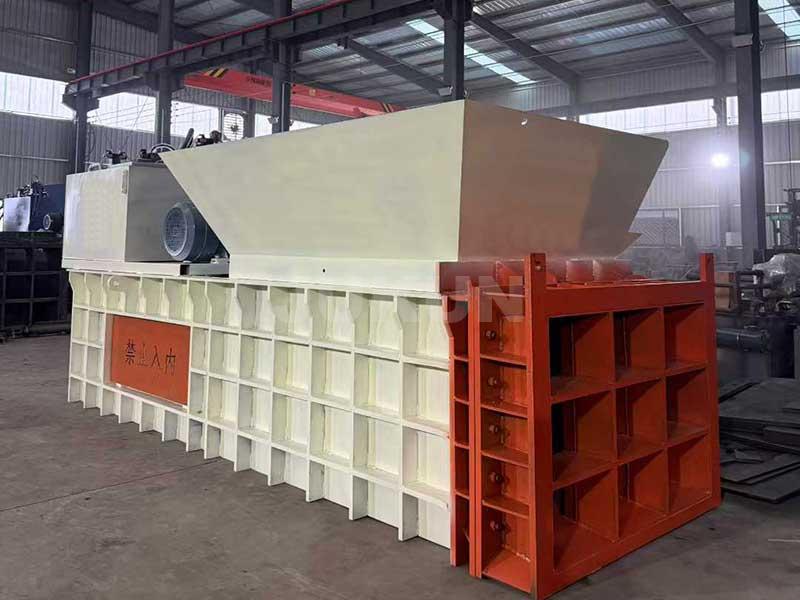
Avoidable failure analysis
| Feature Performance Impact | Feature | Downtime Reduction | Cost Savings Per Ton |
|---|---|---|---|
| Overload Protect | 78% less downtime | $4.21 saved | |
| Auto-Oil Cooling | 62% failure drop | $3.78 reduction | |
| Remote Diagnostics | 89% faster fixes | Saved $6.83/ton |
Denver facility cut maintenance hours from 48 to 6 monthly.
Essential Upgrades Worth Every Penny Non-negotiable items:
- Programmable pressure curves
- Dual-pump hydraulic systems
- Tier IV high-torque motors
- Safety light curtains
- Predictive maintenance alerts
Portland recycler increased equipment lifespan 82% by avoiding cheap models.
Performance Verification Method
- Demand 10-hour nonstop test run
- Measure pressure consistency (±3% maximum)
- Validate bale integrity with drop test
- Record vibration metrics at max capacity
- Verify temperature stability
Kansas facility returned unsuitable machines using this protocol.
Which Baler Is Best for High-Volume Paper Recycling?
Peak season volume overwhelming staff? Night shifts causing equipment strain? Throughput falling behind intake? Continuous-processing engineering solves scale challenges.
Fully automated horizontal balers with 120+ ton capacity handle 15-40 tons daily. Integrated conveyors and PLC systems enable 24/7 operation - essential for mega-recycling plants.
Capacity comparison guide
| Daily Volume Match Matrix | Facility Size | Processing Target | Recommended Baler | Price Range |
|---|---|---|---|---|
| Regional Recycling | 8-12 tons daily | 90-ton pressure | $112,000-$145k | |
| E-Commerce DC | 14-22 tons | Twin-cylinder | $198k-$256k | |
| Paper Mill Lines | 28-40+ tons | Conveyor-integrated | $310k-$390k |
Miami hub processed record 38 tons daily during holiday surge.
Productivity Validation Points Installation benchmarks:
- Continuous running > 20 hrs daily
- Cycle time under 3 minutes
- Bale weight variance < 5%
- Energy consumption < 7kWh/ton
- Noise levels under 80 dB
Ohio paper mill sustained 97% uptime for 3 years.
High-Volume Profit Calculation
- Baseline: 18 tons/day x 260 days = 4,680 tons
- Revenue @ $115/ton (sorted OCC) = $538,200
- Labor + maintenance cost = $102,400
- Net annual recycling profit: $435,800 Typical ROI period: 6-11 months
Vancouver facility recouped investment in 8.5 months.
How to Choose the Right Cardboard Baler Machine?
Undersized machines choking on boxes? Automation promises failing tests? Maintenance costs spiralling? Precision matching prevents costly missteps.
Measure waste volume across all shifts. Verify hydraulic certification documentation. Audit manufacturers' production facilities - 94% of buyers who skip this regret their choice later.
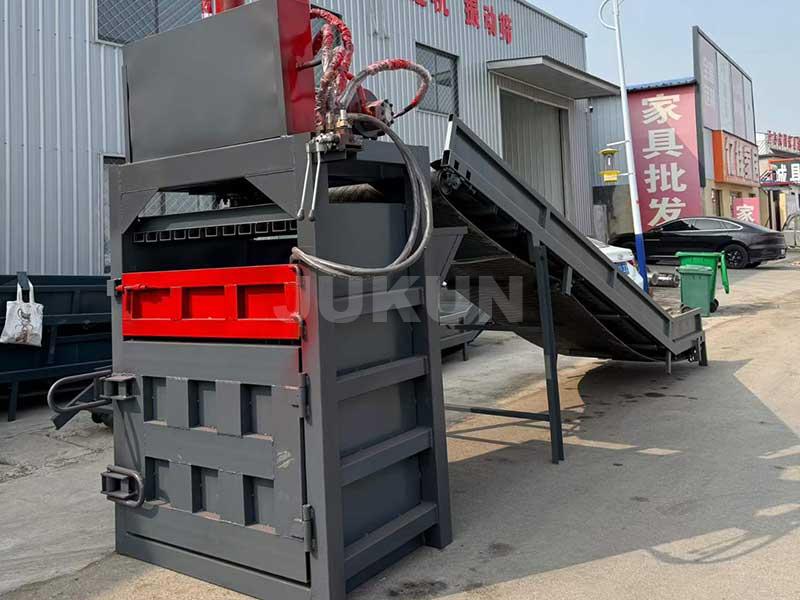
Step-by-step procurement plan
Capacity Measurement Formula
Required Tonnage = (Peak Daily Volume × 1.5) + Growth Buffer
Seattle example:
- Current peak: 5.2 tons
- Expansion plan: 35% buffer
- Machine need: ≥8.4 tons/day capacity
| Specification Checklist | Criterion | Essential Standards | Red Flags |
|---|---|---|---|
| Hydraulic Pressure | 50+ tons for OCC | Single-stage pumps | |
| Tie System | Automatic double-wire | Manual operation | |
| Energy Efficiency | ≤7.5 kWh/ton | No energy ratings | |
| Warranty Coverage | 3+ years on hydraulics | 6-month policies |
Dallas buyer saved 11 months troubleshooting by demanding specs.
Supplier Validation Protocol
- Visit factory to witness welding
- Review material certifications
- Test prototype with actual waste
- Demand client site visits
- Get maintenance cost guarantees
Refused two suppliers who rejected audit requests.
Conclusion
Choosing the right horizontal baler maximizes recycling profits through targeted material handling, robust features, and capacity precision - transforming waste into revenue.