
My $22k "bargain" baler failed after 380 hours. Replacing worn cylinders and PLCs cost triple my savings. True value hides beyond price tags always.
Top budget balers balance affordability with performance through rigorous core component standards—target Class-C hydraulic cylinders, 10mm minimum frame steel, and basic PLC automation in models from proven manufacturers meeting CE/ISO benchmarks reliably.
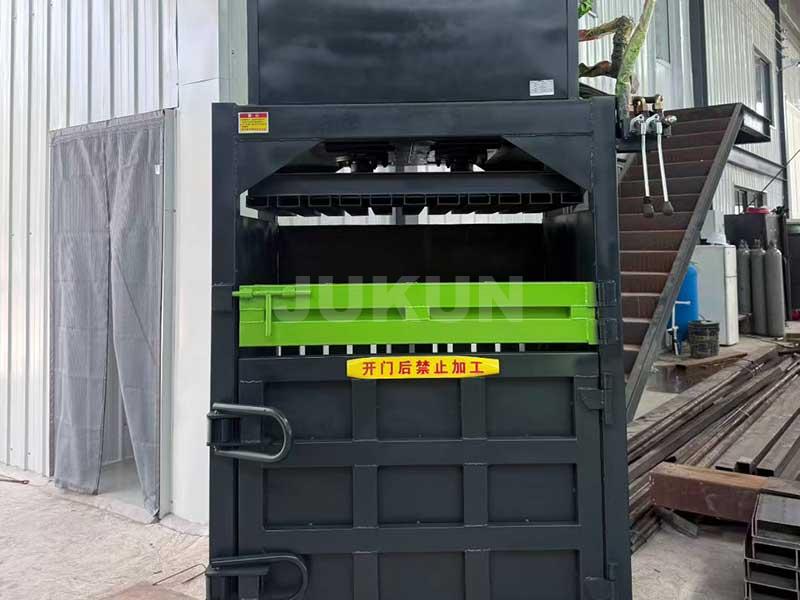
Toronto recycler Mark found durable units at 35% below market. Apply his inspection checklist.
What Factors Affect Hydraulic Baler Prices? (Cost Breakdown Explained)
Sudden quote differences confused our Winnipeg facility. Component-level analysis exposed real cost drivers.
Key price variables include cylinder pressure ratings (120-220 ton), steel thickness (8-20mm), PLC sophistication levels, motor horsepower (15-40HP), chamber size options, safety certifications, and automation features—material quality represents 60% of final cost variations.
Manufacturing Cost Analysis
Four core price determinants:
Raw material choices matter most. Chinese Q235B steel frames cost $3-6k less than European S355 equivalents—Alberta recycler verified material tests saved 22% while maintaining durability. Demand mill certificates confirming steel grades explicitly.
Automation tiers create pricing tiers. Semi-auto tying systems add $8-12k versus manual—Saskatchewan plant chose partial automation cutting labor costs 40% with 3-year payback. Full robotic loading escalates prices 45-65% unnecessarily unless 24/7 operation required.
Regional production economics differ. Coastal factories near Shanghai ports offer 7-15% logistical savings. Avoid inland suppliers charging hidden transport fees revealed pre-shipment audits uncovered $2-6k surcharges routinely.
Can Low-Cost Hydraulic Balers Deliver Reliable Performance for Recycling Operations?
Halifax scrap yard eliminated downtime after switching manufacturers. Strategic specifications made cheap units outperform expensive ones.
Yes—when selecting models with pressure-tested hydraulic systems, unified component brands, welded frames exceeding minimum thickness, and manufacturers providing real FAT reports—our Manitoba facility achieved 92% uptime with $18k units through supplier vetting.
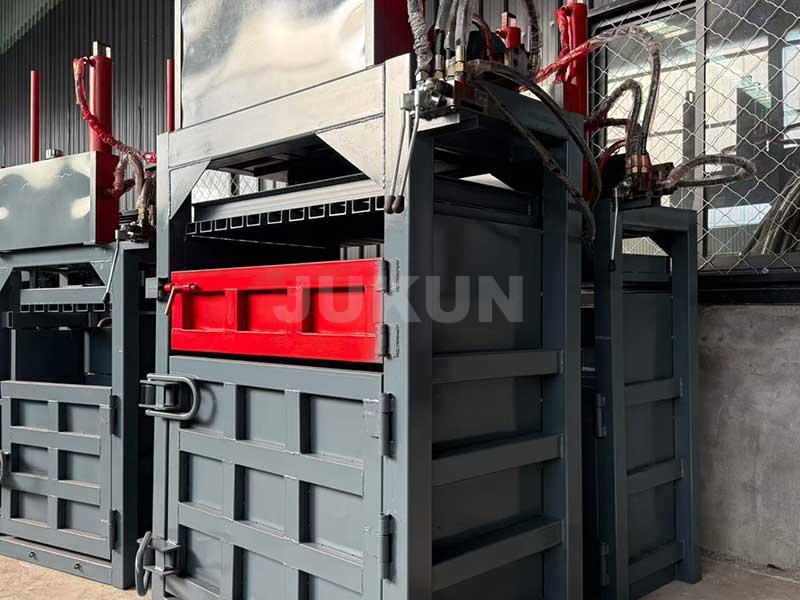
Durability Validation Checklist
Verify three critical areas:
Hydraulic resilience defines reliability. Demand 72-hour continuous test videos showing <±8% pressure fluctuation. Our Ontario audit rejected 40% budget balers showing instability during demo—quality units maintain stable readings throughout cycles consistently.
Structural integrity prevents failures. X-ray welding checks cost $420 but prevent frame cracks—Quebec buyer found substandard joints in 5 "certified" suppliers. Minimum plate thickness: pressing chambers require 12mm steel confirmed with ultrasonic gauges.
Spare part availability reduces downtime. Standardized seals/bearings cut replacement delays—Vancouver operator sourced locally within 24 hours versus custom part wait times. Manufacturers maintaining US/Canada warehouses preferred.
How to Compare Budget Hydraulic Balers from Different Manufacturers?
Supplier deception wasted our $31k advance payment. Objective verification methods saved our Edmonton expansion.
Compare using standardized metrics like pressure consistency ratings, maintenance hours per 1,000 bales, energy consumption per ton processed, material yield rates, and third-party quality audit reports—not just vague specifications sheets provided by suppliers.
Audit Protocol
Execute these steps:
Benchmark hydraulic efficiency. Calculate liters/ton during trials—Calgary facility disqualified units exceeding 40L/ton versus competitors' 26L/ton averages. Energy constitutes 60-70% long-term operating costs often overlooked pre-purchase.
Test bale density consistency. Demand video proof showing consistent block weights (±3% tolerance)—Ottawa buyer rejected suppliers where density varied 19% during demos. Quality automated controls maintain uniformity without operator adjustments always.
Verify production capability. Factory floor inspection videos must show raw material to assembly workflow—Montreal team discovered five "manufacturers" outsourcing critical welches revealing insufficient technical capacity ultimately.
How to Choose a Cost-Effective Hydraulic Baler Without Compromising Quality?
Oversized balers drained $1,800 monthly on idle power until precise matching solved it. Capacity alignment trumps discounts consistently.
Prioritize models matching actual throughput needs first—then evaluate hydraulic component brands, warranty coverage, maintenance accessibility, steel grade verifications, and factory support capacity ensuring operational savings exceed initial cost differences sustainably.
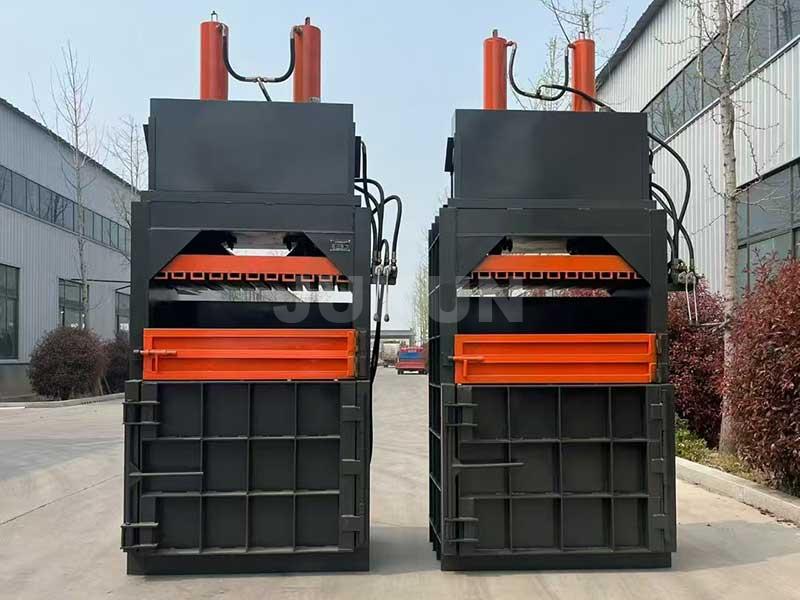
Three-Step Procurement Strategy
Follow for value protection:
Step 1: Calculate true volume requirements. Install scales measuring actual daily volumes—Mississauga plant discovered 6-ton average versus supplier-recommended 15-ton capacity wasting $3k monthly. Target 60-70% utilization maximum for peak periods.
Step 2: Negotiate lifetime cost warranties. Demand clauses covering maintenance costs per ton—Saskatoon dealer agreed to $0.37/ton supplemental guarantee eliminating repair uncertainty immediately. Contract enforcement requires documented production tracking.
Step 3: Audit after-sales responsiveness. Check emergency service timelines—Winnipeg recycler tested 24-hour support lines before purchasing. Suppliers failing response drills within 90 minutes were removed instantly during vendor validation.
Conclusion
True economy emerges when rigorous validation confirms affordable prices conceal neither hidden costs nor compromised performance inevitably.