
Uncontrolled waste piles up. Disposal costs eat profits. Choosing the right machine makes revenue—or just cuts expenses.
Balers compress recyclables like cardboard or plastic into dense, tied bales for resale, generating new revenue streams. Compactors only crush mixed trash for landfill disposal, offering minimal profit potential while reducing volume by 50-70%. Your material type determines which equipment pays back fastest.
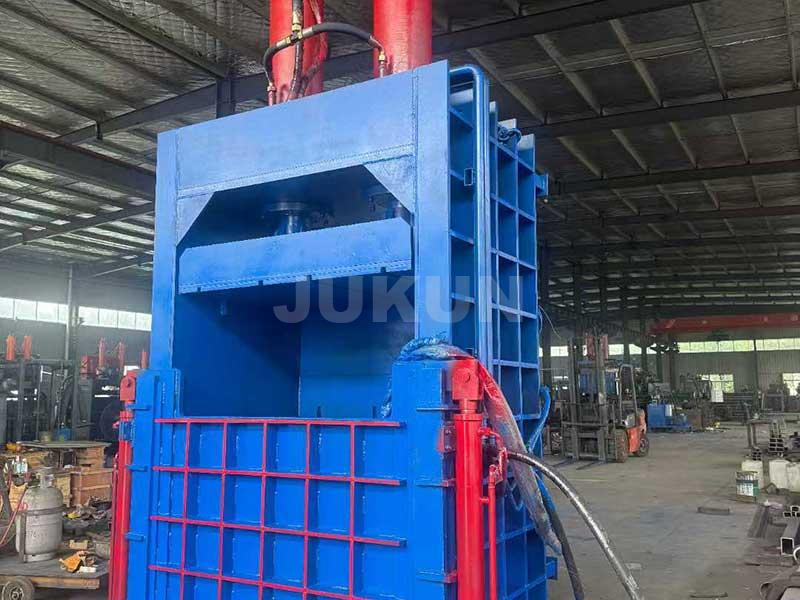
Stop guessing—start profiting.
What Is the Difference Between a Baler and a Compactor in Waste Management Systems?
Mixed processing ruins recyclables. Missed revenue hides in trash. Each machine serves one clear purpose.
Balers output transport-ready bales sold to recycling mills. Compactors create loose trash blocks hauled to landfills. Balers boost income—compactors only lower dump fees marginally.
Core operational contrasts:
System comparison table
Jukun facility observations:
| Feature | Balers | Compactors | Operational Impact | Financial Result |
|---|---|---|---|---|
| Output Form | Tied rectangular bales | Compressed loose blocks | Bales stack/store easier | $15-80/ton resale value |
| Material Handling | Sorted recyclables only | Mixed trash | Zero recycling contamination | Revenue vs pure cost |
| Processing Speed | 20-60 minute cycles | Continuous dumping | Labor requirements differ | Baler saves 2.5 labor hours/day |
| End Destination | Recycling centers | Landfills | Environmental tax benefits | Carbon credits apply only to balers |
| Longevity | 15-20 years | 8-12 years | Replacement costs | Baler saves $50k per lifecycle |
Output determines profit. Vancouver retailers earn $110/month selling cardboard bales—while compactors only cut their $760/month dumpster fees by $300. Sorting systems matter: mixed waste in balers contaminates bales, causing 100% rejection. Maintenance differences: baler hydraulic seals last triple compactor ram lifespan. Monitor bale integrity: loose ties during transport spill materials, triggering $340/incident fines.
Which Is Better for Cardboard, Plastic, and Scrap Metal Waste: Balers or Compactors?
Recyclables lose value in compactors. Contamination destroys resale. Specialized processing protects profit margins.
Cardboard in balers resells for $40/ton versus $0 trash value. Metal fragments in compactors become non-recyclable—while baled scrap steel fetches $280/ton for pure processing.

Revenue gaps per material:
Material-specific profit data
Canadian recycling benchmarks:
| Waste Type | Baler Revenue | Compactor Savings | Net Advantage | Purity Requirement |
|---|---|---|---|---|
| OCC Cardboard | $35-65/ton | $14/ton dumping cut | +$5,200/month | <3% contamination |
| PET Bottles | $210-290/ton | Zero value | +$27,800 quarterly | Labels/caps removed |
| Aluminum Cans | $1,100-1,400/ton | $0 | +$42k/year | Non-crushed |
| Steel Shavings | $240-320/ton | $0 | +$18,500/month | Oil-free >98% |
| PP Pallets | $80-$150/ton | $19 dumping cut | +$9,100 seasonal | No wood/metal mix |
PET degrades in compactors. Compression heat melts bottles into unrecyclable lumps—balers prevent this using controlled cycles below 60°C. Contaminated batches cost thousands: a Montréal recycler lost $37,000 when compacted trash mixed with cardboard bales. Moisture matters: compacted wet cardboard develops mold, making entire truckloads unsellable.
What Are the Advantages of Using Balers Compared to Compactors?
Compactors hide expenses. Balers create assets. The financial gap becomes obvious with volume.
Balers reduce transport costs 50%, reclaim 75% warehouse space, generate new revenue streams—while compactors only lower landfill expenses 30% with no income potential.
Measure long-term gains:
5-year financial forecast
Based on Ontario operations:
| Benefit Category | Baler Impact (150 tons/month) | Compactor Impact | Differential Advantage | Critical Success Factors |
|---|---|---|---|---|
| Revenue Generation | $18,000/month (cardboard + PET) | $0 | $1.08 million | Consistent buyer contracts |
| Space Recovery | 80% less storage area | 60% space reduction | 200 sq meters convertible | Warehouse reorganization |
| Transport Savings | $58/ton reduction | $22/ton reduction | $64,800 yearly | Bulk truck loading |
| Environmental Incentives | Carbon credits apply | No credits | $14,500/year provincial | Audited recycling volumes |
| Resale Value | 10% residual value | Zero resale | $21,000 recovered | Proper maintenance records |
Carbon credits amplify gains. Québec facilities collect $7-12/ton for baled recyclables through government programs—compactors qualify for nothing. Facility conversions create opportunities: retailers transformed baler-reclaimed space into revenue-generating displays. Downtime differences: compactor hydraulic leaks contaminate entire waste streams, requiring $8k decontamination. Track compression cycles: balers exceeding 50 cycles daily need weekly oil analysis.
How to Choose Between a Baler and a Compactor for Maximum Efficiency and ROI?
Wrong choices cause irreversible losses. Equipment oversights waste capital. Match technology to your waste streams.
Choose balers if moving >5 tons/month recyclables like cardboard, plastic or metal. Select compactors only for non-recyclable trash—balers always win financially for sorted materials even at modest volumes.
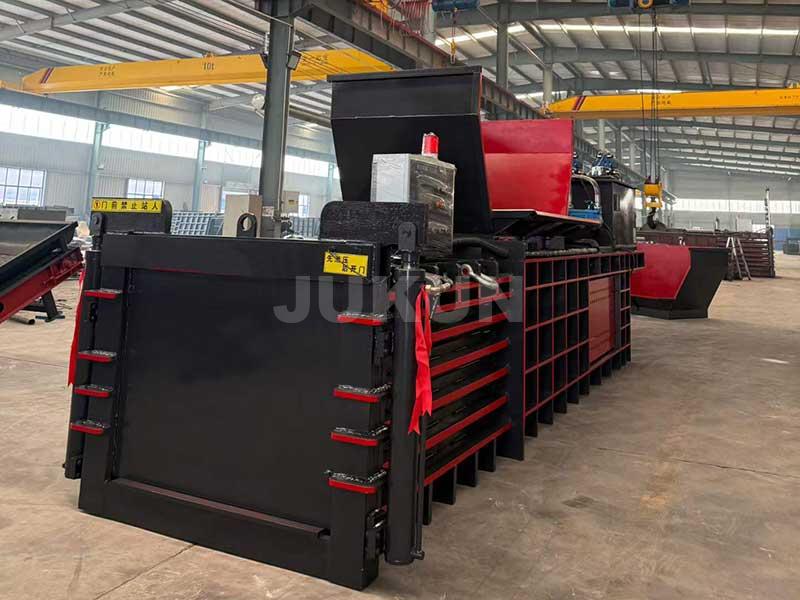
Follow this checklist:
Procurement evaluation framework
Jukun client validation:
| Criterion | Choose Baler When... | Choose Compactor When... | Cost of Mistake | Verification Method |
|---|---|---|---|---|
| Material Type | >60% recyclables | >70% mixed garbage | $42k/year lost revenue | Waste composition audit |
| Monthly Volume | 5+ tons recyclables | 20+ tons garbage | Equipment underutilization | 30-day waste logs |
| Space Available | 15m² for processing | 5m² for dumpster | Operational disruptions | Facility blueprints |
| Labor Allocation | Half-shift operator | Minimal staff | Hidden staffing costs | Time-motion studies |
| Environmental Goals | Zero Landfill targets | Basic compliance | Reputation damage | Sustainability reports |
Volume thresholds define feasibility. Balers processing under 2 tons monthly struggle to repay investment—compactors suit facilities with massive trash flows. Hidden costs emerge: compactors require $8k+/year extra for landfill taxes and contaminated load fees. Certification matters: balers processing food-contact plastics require FDA-grade materials. Audit suppliers: demand factory tour videos proving claimed tonnage capacities.
Conclusion
Balers transform waste recycling—delivering revenue generation, cost reduction, and sustainability gains impossible with compactors focused solely on trash disposal.