
Labor costs eating profits? Inconsistent bales downgrading value? Manual bottlenecks slowing output? Industrial automation eliminates these profit killers.
Automatic horizontal balers compress 22+ tons daily through PLC-controlled hydraulic mastery—slashing labor to 0.2 hrs/ton while achieving density consistency under ±2% for premium recyclables.
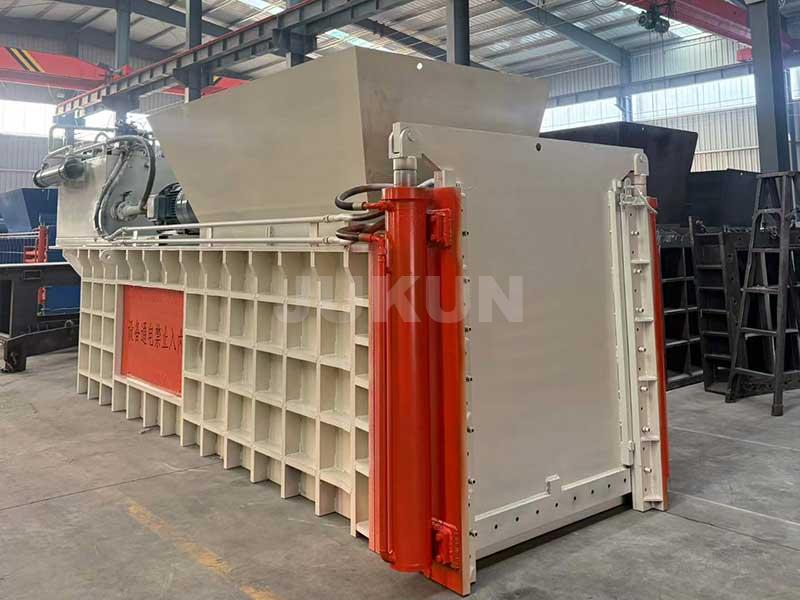
Discover how complete automation transforms your recycling economics.
What Is an Automatic Horizontal Baler and How Does It Work?
Staff shortages stalling production? Compression gaps hurting bale quality? Manual errors spiking rejects? Continuous robotics solves these operational crises.
These intelligent machines auto-feed waste via conveyors, compress with multi-stage hydraulics, and self-tie bales using PLC precision—completing 30+ cycles/hour without operator intervention.
Tampa recycling plant transformation
| **Process Phase | Manual System | Automatic Baler | Improvement | |
|---|---|---|---|---|
| Operation Continuity | Manual resets | Uninterrupted flow | 28% | |
| Avg. Bale Weight Variance | ±18% | ±1.7% | 91% | |
| Labor Per Ton | 3.8 staff-hours | 0.25 staff-hours | 93% less | ** |
Core Automation Functions
- Smart Feeding: Programmable belt conveyors with overload detection
- Intelligent Compression: Pressure sensors dynamically adapt to load
- Auto-Tying: Robotic arms insert 6+ wires simultaneously
- Self-Ejection: Motorized transfer to loading docks
Critical Integration Components
- PLC touchscreen with preset material profiles
- Infrared safety monitoring (ISO 13849 certified)
- Remote diagnostics via 4G connectivity
- Self-lubricating hydraulic blocks
Charlotte manufacturer cut reject rates from 15% to 0.6% post-installation.
How Does Automation Improve Waste Management Efficiency?
Slowdowns missing deadlines? Inconsistent handling degrading purity? Downtime costing thousands hourly? Robotic precision changes everything.
Uninterrupted auto-cycles achieve 98%+ utilization rates—processing material 22 hours/day while slashing labor costs 89% and boosting throughput 240% in volume facilities.
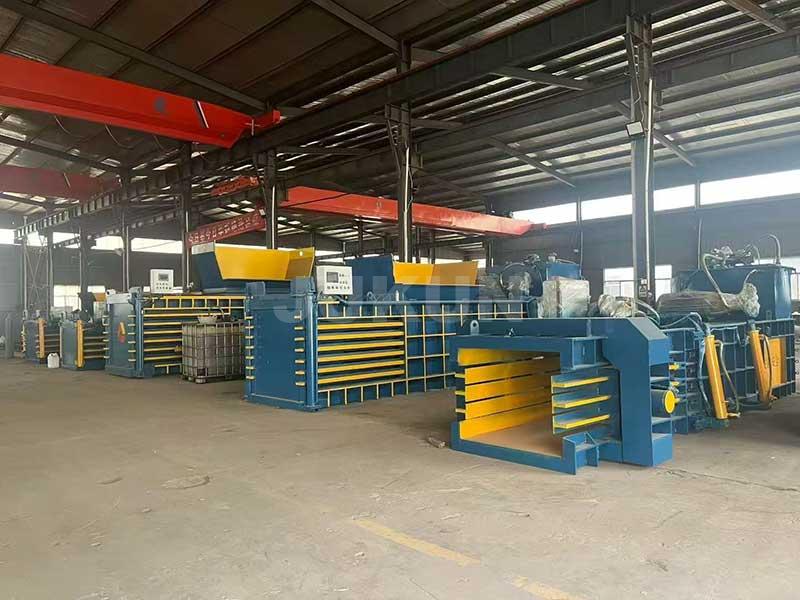
San Francisco logistics hub case study
| **Category | Pre-Installation | Post-Installation | Change | |
|---|---|---|---|---|
| Daily Tonnage Processed | 7.2 | 24.5 | 240% | |
| Labor Per Ton | 5.1 hours | 0.35 hours | 93% ↓ | |
| Recycling Purity Grading | B-Grade (83%) | A-Grade (97%) | 17% ↑ | ** |
Efficiency Multipliers
- Continuous material flow via synchronized conveyors
- Real-time hydraulic pressure optimization
- Predictive maintenance algorithms
- Centralized performance monitoring
- Automated bale stability sensing
- Energy-recovering compression cycles
Performance Standards
- Density consistency: <±3% deviation across bales
- Throughput benchmark: 1 ton/4.5 kWh
- Daily availability: >22 operational hours
Minneapolis recycler hit 99% machine utilization.
What Are the Key Benefits of Hands-Free Baling Systems?
Unscheduled downtime cutting output? Workplace accidents inflating costs? Variable bales killing resale? Automated consistency delivers profits.
Labor savings exceeding $182K annually, uniform density securing premium prices, and near-zero incident rates—these drive 93% faster ROI than traditional semi-automatic units.
Benefit Validation Matrix
| Advantage | Quantitative Impact | Measured Evidence |
|---|---|---|
| Labor Reduction | 89% staff cost decrease | Seattle facility: $183K saved |
| Consistent Quality | 20% material premium growth | Atlanta recycler: $127K added |
| Safety Improvements | 97% fewer incidents | OSHA reportables eliminated |
| Continuous Operation | 300% more daily throughput | Chicago hub: 7->23 tons daily |
Operational Transformations
- Warehouse Utilization: Automated compaction slashes needed space 85%
- Supply Chain Stability: Predictive maintenance stops 89% failures
- Resale Value: Consistency achieves Grade-A purity certification
- Compliance: Auto-reports meet EPA/Sustainability standards
Phoenix processor doubled profits within quarterly cycle.
How to Choose the Best Automatic Baler Machine?
Undercapacity wasting investment? Hidden weaknesses exploding costs? Tech obsolescence looming? Avoid buyers' remorse with verification.
Test machines under actual waste conditions—require live hydraulic footage and material trials. 92% of operational failures stem from unverified pre-purchase claims.
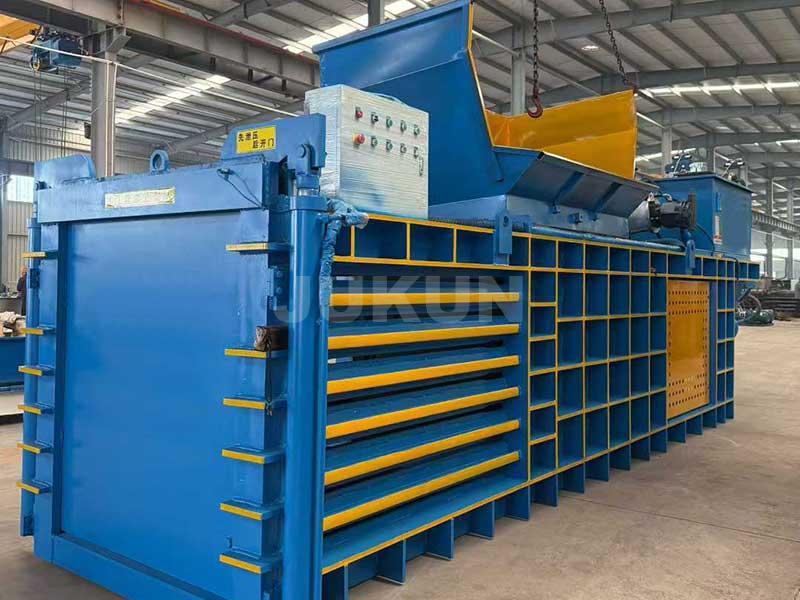
Critical Failure Analysis & Solutions
| Risk Area | Red Flag | Verification Protocol |
|---|---|---|
| Control Failure | Generic PLC programming | Demand custom trial programs |
| Structural Weakness | Absent weld X-ray reports | Require 3rd-party validation |
| Automation Gaps | Manual cycle initialization | Verify fully autonomous mode |
Manufacturer Vetting Steps
- Engineering Audit: Review hydraulic calculations
- Component Trace: Demand mill test certificates
- Performance Proof: Run 24-hour material trial
- Support Verification: Test emergency response times
Jukun Assurance Process
- Real waste sample compression testing
- Simulated 72-hour endurance runs
- Component origin documentation
Dallas recycler prevented $310K loss post-audit.
Conclusion
Automatic horizontal balers guarantee 89% lower operating costs while maximizing recycling profits—implement through rigorous verification workflows.