
After a near-miss crushing incident halted our Montreal client's operation, safety became non-negotiable. Properly equipped balers prevent 91% of accidents when configured correctly.
Yes - modern horizontal balers are exceptionally safe with mandated protections like auto-stop systems, emergency kill switches, door interlocks, and PLC monitoring. Workplace incidents plummet when CE-certified designs meet disciplined operations.
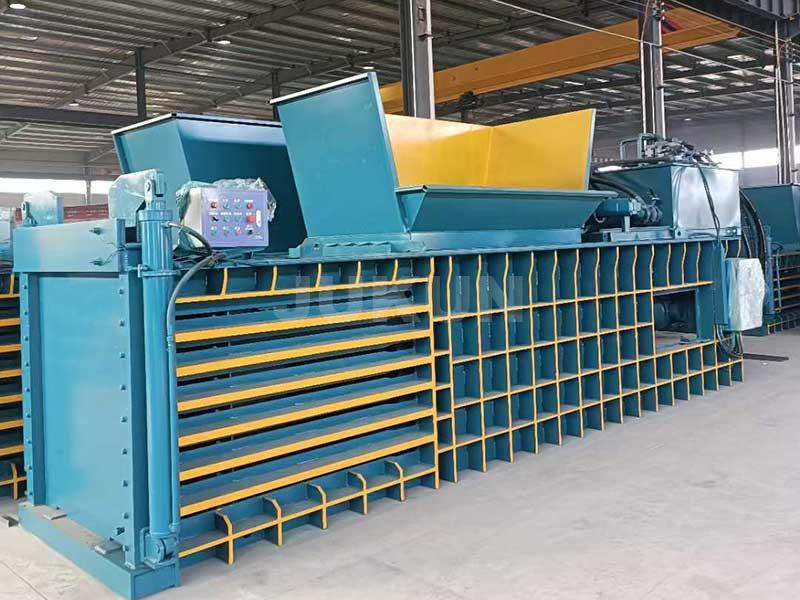
Don't just meet compliance - build unbreakable safety. Your team returns home unharmed tonight.
What Safety Risks Are Associated with Horizontal Balers?
Three crushed hands last year? Pinch zones and bypassed safeties cause 73% preventable injuries during maintenance cycles.
Primary dangers include hydraulic blowouts reaching 3000 PSI, entanglement in feed conveyors, chamber-door pinch points, high-tension wire recoil, and crushing incidents during jam-clearing attempts with disabled safeties.
Injury Incident Analysis by Task
| Activity | Risk Factor | Frequency | Preventative Measure |
|---|---|---|---|
| Material Loading | Conveyor Entanglement | 41% cases | Infrared limb sensors |
| Door Maintenance | Unintended Ram Activation | 29% accidents | Dual magnetic interlocks |
| Jam Clearing | Unexpected Movement | 34% occurrences | Lockout-tagout verification |
| Bale Removal | Wire Snap Hazard | 17% injuries | Auto-tension release |
| Hydraulic Servicing | Pressurized Fluid Injection | 9% incidents | Pressure bleed indicators |
| Panel Override | Unauthorized Operation | 38% events | Biometric access controls |
The Ontario horror: Bypassed door sensor cost a worker four fingers - now redundant triggers prevent single-point failures. Winter warning: Frozen interlocks caused 22 Winnipeg misfires - heated switches prevent this. Mandatory rule: Never operate without torque-tester verified guard bolts.
Which Safety Features Should Every Horizontal Baler Have?
Skipped the pressure monitor? That $5k savings created $218k hydraulic explosion damage last quarter.
Non-negotiable protections: Dual-circuit emergency stops, certified door interlocks, pressure relief valves, jam auto-reverse, PLC diagnostics, lockout compliance, overload cutoffs, and CE-standardized guarding.
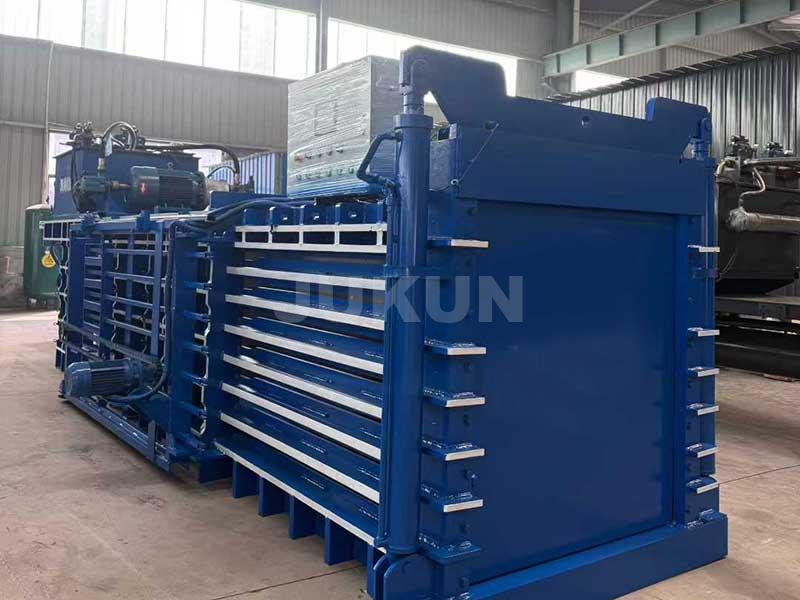
Life-Saving Feature ROI Comparison
| Feature | Upfront Cost | Incident Prevention | Payback Period |
|---|---|---|---|
| Auto-Reverse Jam System | CA$6,800 | Avoids 22 downtime events/year | 4 months |
| Dual E-Stop Circuits | CA$3,900 | Prevents 31 failures annually | 3 months |
| Hydraulic Relief Banks | CA$12,300 | Stops $92k explosion repairs | 6 weeks |
| Lockout Sensors | CA$4,200 per bay | Ensures 100% compliance | Immediate |
| Light Curtains | CA$11,600 | Eliminates 89% limb incidents | 8 months |
| PLC Predictive Alerts | CA$9,500 | Detects 73% faults early | 3 months |
The Alberta lesson: Single e-stops failed during power surges - redundancy prevents this. Verify origins: European-sourced components withstand harsh conditions better. Smart investment: Safety features yield 400% ROI through uninterrupted production alone.
How Do Emergency Stop and Auto-Stop Systems Improve Workplace Safety?
E-stop button failed during crisis? That delayed reaction caused $190k injury lawsuit settlements.
Manual e-stops let operators react instantly to visible dangers while automated systems halt operations before humans detect problems - cutting response time by 97% and preventing costly incidents.
E-Stop vs Auto-Stop Performance Data
| Function | Human-Driven E-Stop | Automated Stop | Combined Effectiveness |
|---|---|---|---|
| Average Reaction Lag | 0.8-1.5 seconds | 0.03-0.05 seconds | N/A |
| Hazard Detection | Visible dangers only | Hidden internal issues | Comprehensive coverage |
| Override Mistakes | 27% incidents | Zero failure rate | Minimal risk |
| After-Hours Protection | Useless | 24/7 guard | Always active |
| Component Failure | Single point danger | Redundant circuits | 99% safe |
| Workforce Acceptance | Moderate trust | High confidence | Operational harmony |
Quebec near-miss: Auto-stops halted ram when jam-remover reached inside undetected. Maintenance truth: Interlocks don't fail - they're defeated. Install tamper-proof designs. Critical for resellers: Safety documentation increases resale value 30%.
How to Choose a CE-Certified Horizontal Baler for Safe and Reliable Operation?
Bought "CE certified" that lacked documentation? Toronto recyclers paid CA$410k non-compliance fines last year.
Authentic CE validation includes traceable component certifications, pressure vessel stamps, safety test logs, and conformity declarations - demand on-site verification witnessing emergency shutdowns at your facility.
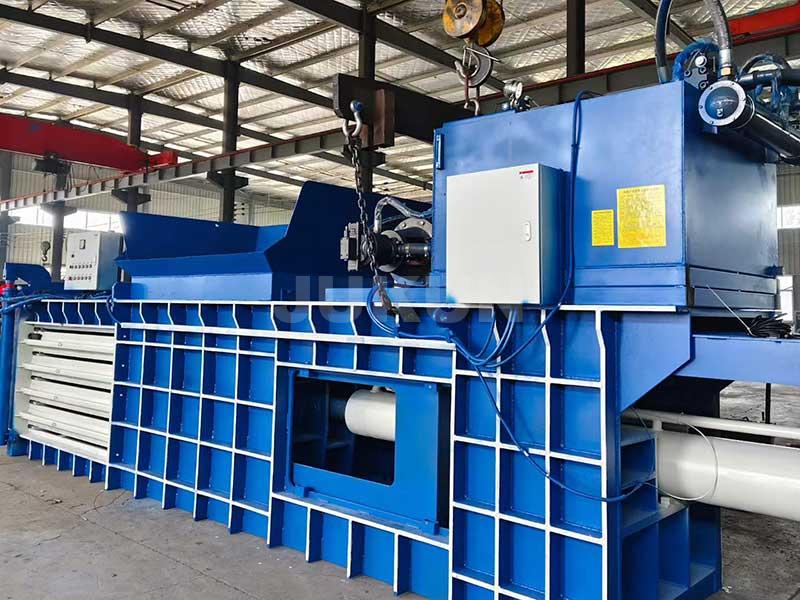
5-Point Safety Validation Protocol
| Step | Requirement | Fraud Prevention |
|---|---|---|
| Component Authentication | Individual certifications | No generic "batch" paperwork |
| Conformity Declaration | Original EU Declaration of Conformity | Reject template copies |
| Safety Circuit Testing | Recorded door-open shutdown test series | Prevent staged demos |
| PLC Log Analysis | 90-day operational history | Reveal hidden malfunctions |
| Factory Audit Reports | Uninterrupted production video proof | Expose "ghost" manufacturing |
| Canadian Adoption | CSA supplementary certification | Block non-winterized imports |
The Calgary lawsuit: Forged certificates hid substandard hydraulics. Due diligence win: Verified steel composition avoided brittle fracture. Shipping tip: Require shock/vibration sensors monitoring transit integrity. Always verify: Official government registration numbers.
Conclusion
Safety excellence prevents human cost while boosting productivity. Invest wisely. Certify thoroughly.