
Waste piles grow while space shrinks daily. Manual compression wastes time and money. Selecting the right baler machine solves these frustrations immediately.
Baler machines are hydraulic recycling machines that compress recyclable materials such as cardboard, paper, plastic, and metal into dense, compact bales for easier storage, handling, and transportation. The main types include vertical balers, horizontal balers, automatic balers, semi-automatic balers, closed-end balers, and two-ram balers. Vertical balers are ideal for small to medium waste volumes, while horizontal balers are better for high-volume recycling. The right baler depends on material type, daily output, available space, and automation requirements.
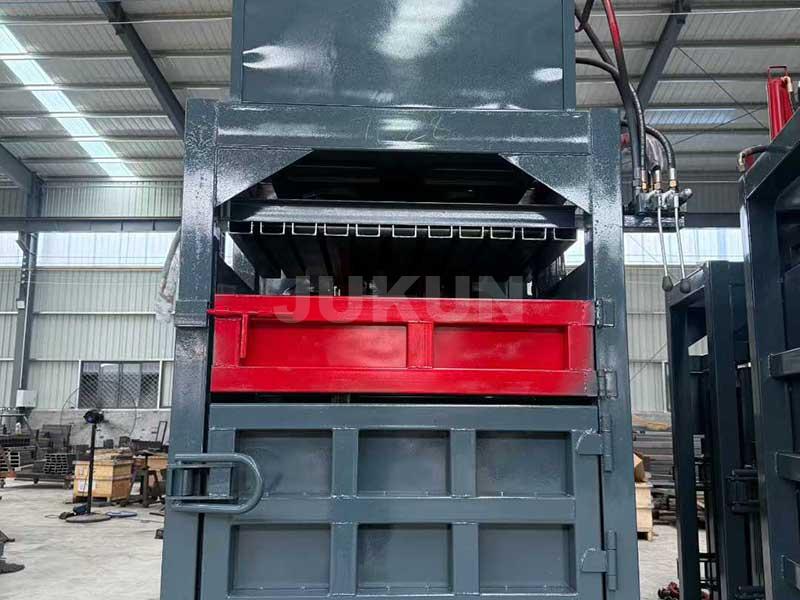
Discover how each baler transforms waste handling. Learn to match your operation with the perfect machine.
What Are the Different Types of Baler Machines?
Standard balers often fail unique workflows. Daily bottlenecks hurt profits. Understanding all types prevents mismatched purchases.
Main baler types are horizontal (high-volume), vertical (space-saving), semi-automatic (balanced cost), fully automatic (24/7 operation), closed-end (cardboard focus), and two-ram designs (heavy materials). Each handles different recycling challenges.
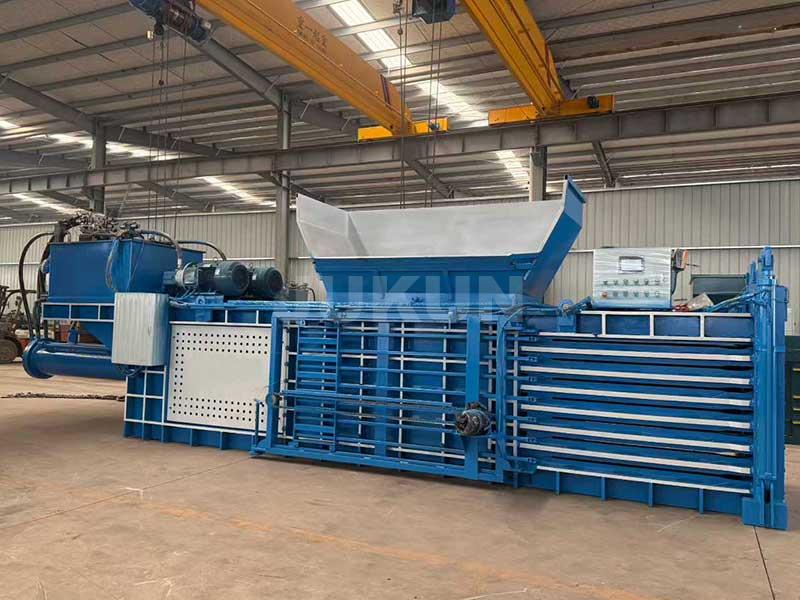
Matching Baler Types to Real Business Needs
Choosing requires comparing core functions and limitations. Consider daily realities before investing.
| Baler Type | Productivity Per Shift | Best Operation Size | Installation Requirements |
|---|---|---|---|
| Horizontal | Up to 30 tons | Large facilities | 40m² space minimum |
| Vertical | 0.5-2 tons | Retail/warehouses | 10m² corner space |
| Semi-Auto | 5-15 tons | Growing businesses | Standard 380V power |
| Full-Auto | 15-50 tons | Factories | Dedicated conveyor line |
| Closed-End | 10-25 tons | Cardboard specialists | Level concrete pad |
| Two-Ram | 20-60 tons | Metal recyclers | Heavy-duty foundation |
At Jukun, we custom-build balers for extreme conditions. Our oil cooling systems prevent summer overheating. For cold climates like Canada, we add hydraulic fluid pre-heaters. Every machine undergoes 50+ test cycles using real materials before shipment.
What Are the Key Differences Between Horizontal and Vertical Balers?
Vertical balers choke under heavy loads. Horizontal machines waste space in small shops. Knowing differences prevents wrong investments.
Horizontal balers handle high volumes continuously with automation. Vertical balers fit small spaces manually. Horizontal cuts labor costs but needs room. Vertical saves space but requires more labor per bale.
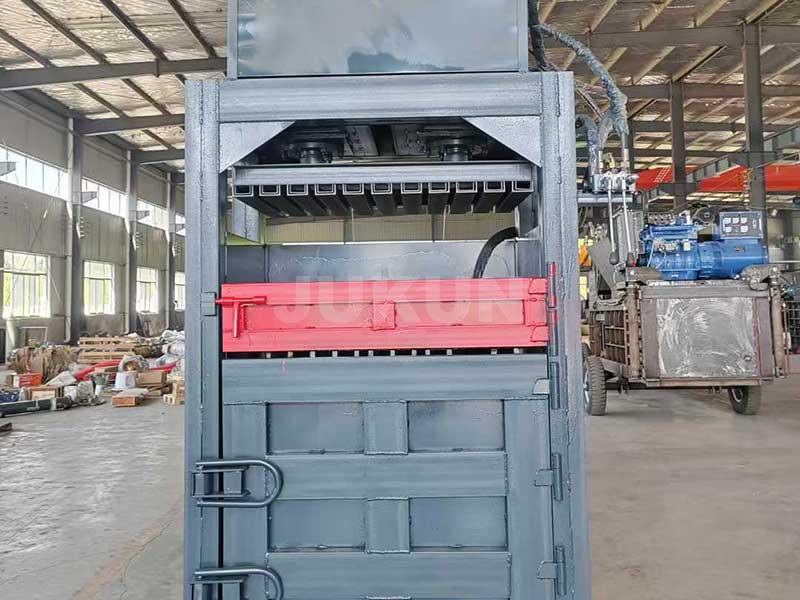
Cost-Benefit Decision Guide
Evaluate each option against your business reality.
Choose Horizontal When:
- Daily waste exceeds 15 cubic meters
- Labor costs exceed $20/hour per operator
- Available floor space >35m²
- Premium bale quality is essential
Choose Vertical When:
- Daily material under 8 cubic meters
- Installation space is under 15m²
- Startup budget limited below $15k
- Operators available for manual feeding
Jukun clients see clear results. A Toronto recycler gained 200% ROI within 14 months after switching from vertical to horizontal. Our auto-stop safety systems prevent crushing accidents during vertical operations. Dual hydraulic cylinders deliver consistent pressure when machines work overtime.
Which Baler Machine Is Best for Different Materials and Industries?
Cardboard spills from wrong balers. Plastic jams metal chambers. Material-specific choices boost productivity and prevent breakdowns.
Match materials to balers: Vertical handles cardboard/textiles; horizontal balers for plastic/PET; closed-end presses cardboard best; two-ram designs smash metal/scrap. Correct pairing prevents equipment damage and wasted hours.
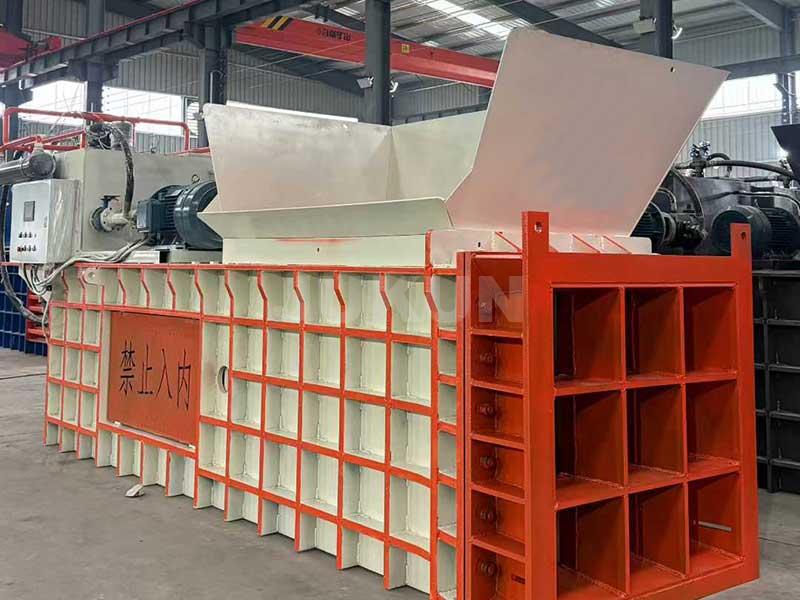
Industry-Specific Baler Solutions
Different sectors have unique requirements and failure points.
| Industry | Primary Material | Ideal Baler Type | Critical Features |
|---|---|---|---|
| Retail | Cardboard boxes | Vertical | Door safety sensors, 20-30 ton pressure |
| Recycling Plants | Mixed plastics | Auto-feed Horizontal | Anti-stick plates, 50-75 ton ram |
| Beverage | PET bottles | Horizontal Closed-End | Piercing spikes, high-density chamber |
| Textile Mills | Fabric waste | Textile-specialty | Continuous bale removal, dust capture |
| Metal Yards | Scrap metal | Two-Ram Heavy Duty | Abrasion-resistant steel, 150+ ton force |
Jukun solves unusual cases daily. For wet seafood packaging cardboard, we add drainage taps. For oily metal scraps, we install fluid separation tanks. Free material testing at our China factory confirms performance before purchase.
How to Choose the Right Baler Machine for Your Business?
Wrong machines cause profit leaks through breakdowns and slow baling. Avoid costly errors with planned selection.
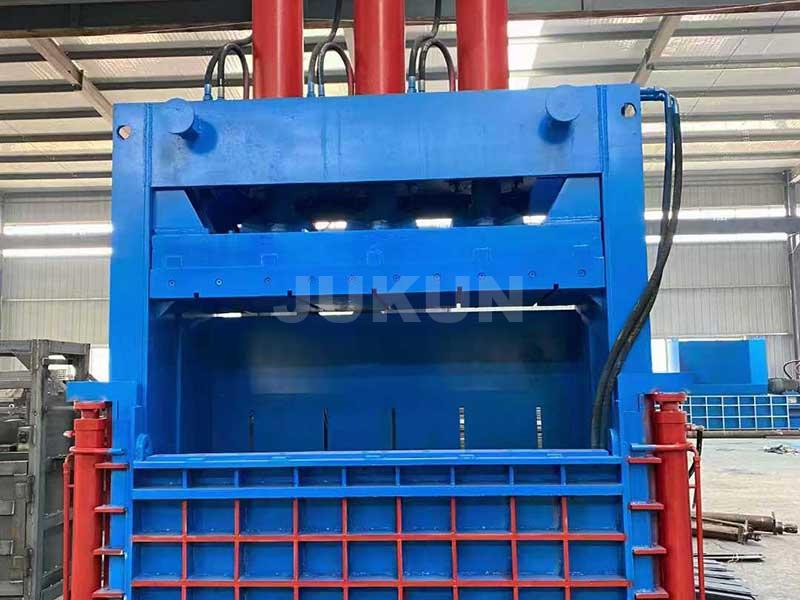
Consider material type, daily volumes, bale size, automation levels, and manufacturer trust. Certifications, hydraulic quality, and support outvalue low prices for long-term reliability and cost control.
Total Ownership Cost Analysis
The cheapest machine often costs more over time. Compare beyond purchase prices.
| Cost Factor | Entry-Level Baler | Jukun Premium | Long-Term Savings |
|---|---|---|---|
| Hourly Output | 0.8 tons | 2.5 tons | $14,400 monthly |
| Labor Cost | 2 full-time | Semi-auto operation | $9,300 monthly |
| Energy Consumption | 25kW average | Inverter tech saves 40% | $7,200 annually |
| Maintenance | Quarterly repairs | Annual checks only | $5,600 yearly |
| Bale Value | Loose irregular | High-density uniform | +15% resale |
Jukun addresses importer concerns directly. For fraud fears: We offer live factory video tours with certification validation. For shipping issues: Provide container loading videos and GPS tracking. Canadian customers access engineers via same-day WhatsApp support. Payment safeguards include escrow options until pre-shipment checks.
Conclusion
Match balers to materials and volumes. The right choice creates maximum efficiency and recycling profits.