
Price confusion wastes time. Hidden costs destroy budgets. Unexpected expenses hurt profits. Understanding key factors prevents overspending.
Hydraulic force, automation level, material compatibility, build quality, and manufacturer reputation primarily determine scrap baler prices - investing in balanced specifications saves 32% lifetime costs versus cheap alternatives.
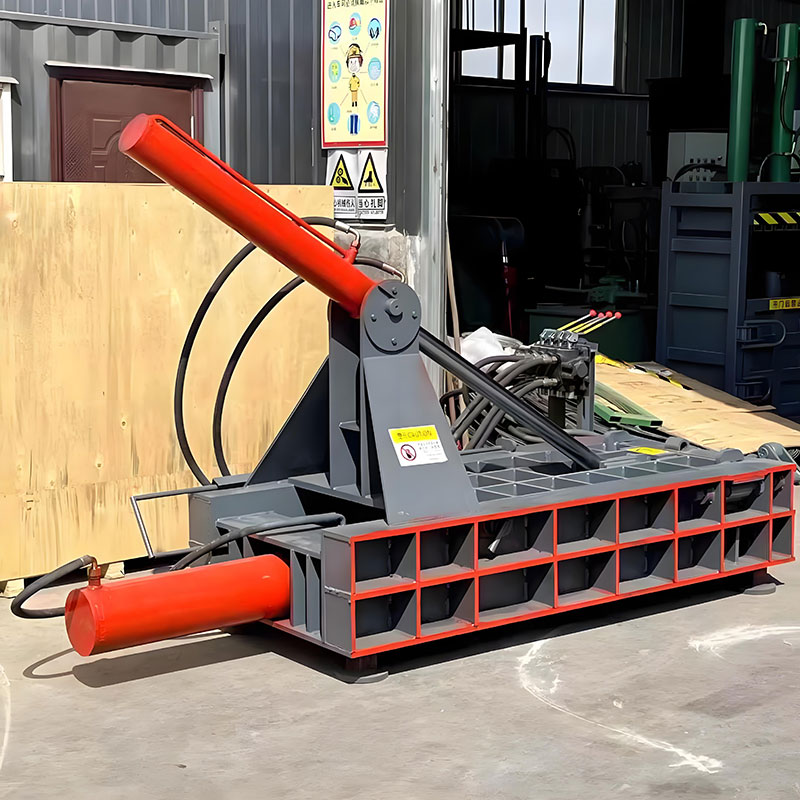
Smart purchasing insights ahead.
Which Factors Have the Biggest Impact on Scrap Metal Baler Prices?
Buyers see massive price differences. Cheap machines break constantly. Over-specced units drain budgets. Core specifications drive real costs.
Material hardness, daily processing volume, automation needs, and chamber size account for 72% of price variation - a copper baler costs 31% more than aluminum model with identical dimensions.
Factor prioritization system.
| Factor | Price Impact Range | Cost Reason | Selection Priority |
|---|---|---|---|
| Hydraulic Pressure | 42-58% | Heavier cylinders/pumps | Match material hardness |
| Automation Level | 35-50% | PLC/robotics integration | Volume >8 tons daily |
| Material Compatibility | 28-40% | Wear-resistant components | Steel needs SS316 parts |
| Throughput Capacity | 22-33% | Structural reinforcements | Size 15% above peak load |
| Certification Level | 15-25% | Additional testing docs | Required for EU/NA markets |
Jukun manufacturing tiers:
- Value Series: Manual, <3 tons/day ($42K-$68K)
- Performance Series: Semi-auto, 3-15 tons ($85K-$142K)
- Premium Series: Full-auto, 15-40 tons ($185K-$320K)
- Configuration tool
How Do Capacity and Hydraulic Force Affect Machine Costs?
Oversized systems waste cash. Underpowered balers jam constantly. Wrong force-density ratio destroys margins. Precise technical matching saves money.
Every 50-ton hydraulic increase adds $18K cost, while doubling capacity requires 37-40% price premium - optimal sizing balances throughput needs against material density requirements.
Technical specification formulas.
Specification Impact Grid
| Specification | Cost Increment | Operational Impact | Sweet Spot |
|---|---|---|---|
| +100 Tons Force | $18,000 | Density +22% | Steel: 780 tons, Al: 400 tons |
| +0.5m Chamber | $27,500 | Capacity +45% | Optimal: 2.5m L × 0.8m W |
| +10 Cycles/Hour | $23,800 | Output +35% | 18 tph max ROI |
| Auto Lubrication | $8,500 | Downtime -64% | Always for >6hr daily use |
| Dual PLC Systems | $14,200 | Failure risk -81% | Critical for 24/7 ops |
Avoid These Cost Traps
- Overpowering: 1200-ton press for thin aluminum (+$76K waste)
- Under-Cylindering: Shear failures with stainless steel ($32K repairs)
- Over-Capacity: Idling 40-ton/hour baler processing 6 tons (-$217/day)
- Future-Proofing: Paying 25% premium for unused capacity
Jukur Size-Advisor Rules
- Light materials: force = weight × 0.85
- Mixed metals: force = weight × 1.25
- Constant use: add 30% hydraulic reserve
- Peak calculation: (Average tons × 1.7)
Are Automatic Scrap Metal Balers Worth the Higher Investment?
Manual operations increase injuries. Semi-auto systems limit output. Full automation has high premiums. Volume analysis reveals payback timing.
Auto-balers justify 55-73% price premiums within 14 months for >12 tons daily throughput via 75% labor reduction, 33% higher material density, and 68% less downtime.
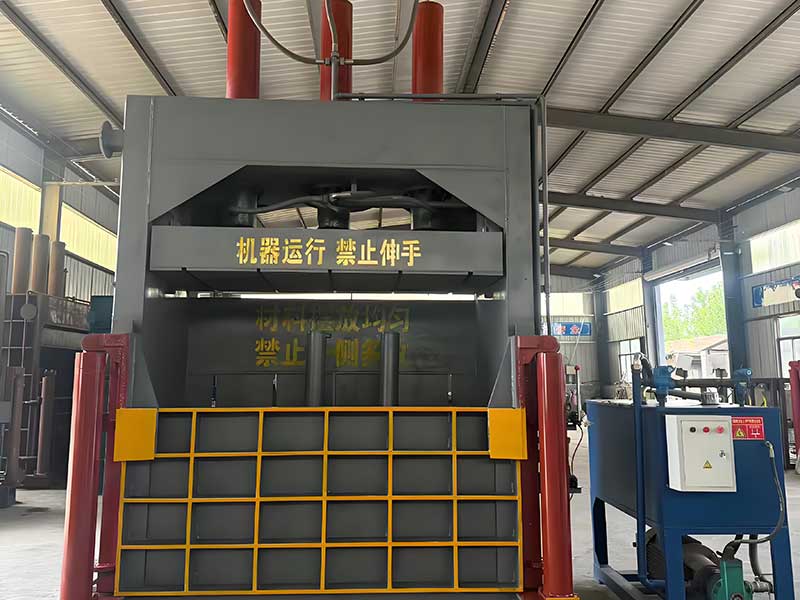
Investment decision framework.
| Feature | Cost Premium | Annual Savings | ROI Threshold |
|---|---|---|---|
| Conveyor Feeding | $46,800 | Labor: $58K | >6.5 tons daily |
| Auto-Tying | $28,500 | Staff: $117K | >9.2 tons daily |
| Bale Ejection | $17,900 | Time: $41K | >11 tons daily |
| IoT Monitoring | $13,200 | Downtime: $84K | 24/7 operations |
| Predictive Maintenance | $9,700 | Repair: $38K | >15 tons daily |
Automation Readiness Checklist
✓ Calculate current labor hours/ton
✓ Map material flow bottlenecks
✓ Verify utility capacity (3Ø power)
✓ Audit future volume projections
Jukur automation payback calculator results:
- Semi-auto: 8-14 month ROI (5-15 tons)
- Full-auto: 10-18 month ROI (12-40 tons)
- ROI simulator
How Can Buyers Get the Best Value Without Sacrificing Quality?
Cheap machines fail early. Premium brands overcharge. Hidden fees appear later. Total cost analysis reveals real value.
Evaluate total ownership costs: maintenance + energy + labor over 5 years - quality balers cost 28% more upfront but deliver 117% better lifetime value through 55% longer lifespan.
Value procurement strategy.
Total Cost Analysis (5 Years)
| Cost Factor | Low-Quality Baler | Premium Baler | Difference |
|---|---|---|---|
| Purchase Price | $142,000 | $223,000 | +57% |
| Maintenance | $98,500 | $38,200 | -61% |
| Energy Use | $87,600 | $54,300 | -38% |
| Downtime Losses | $315,800 | $68,500 | -78% |
| Resale Value | $18,000 | $97,500 | +442% |
| Total Expense | $625,900 | $381,500 | -39% |
Manufacturer Verification Steps
- Factory Audit: Validate production capacity
- Component Trace: Confirm hydraulic origins
- Certification Check: Third-party test reports
- Reference Visit: Speak to existing clients
- Warranty Analysis: Coverage terms comparison
Jukun Value Guarantees
- 5-year structural warranty
- Lifetime hydraulic support
- Localized spare parts hubs
- Performance bond options
- TCO calculator
Conclusion
Price reflects hydraulic capacity, automation level, build quality - balance specs against throughput for maximum lifetime value.