
Loose cardboard devours warehouse space. Labor costs consume profit margins. Transportation inefficiencies persist. Professional compaction unlocks hidden value.
Cardboard balers deliver ROI within 12-28 months through combined savings: 68% labor reduction, 73% lower transport costs, space optimization gains, and 19% recycling revenue premiums.
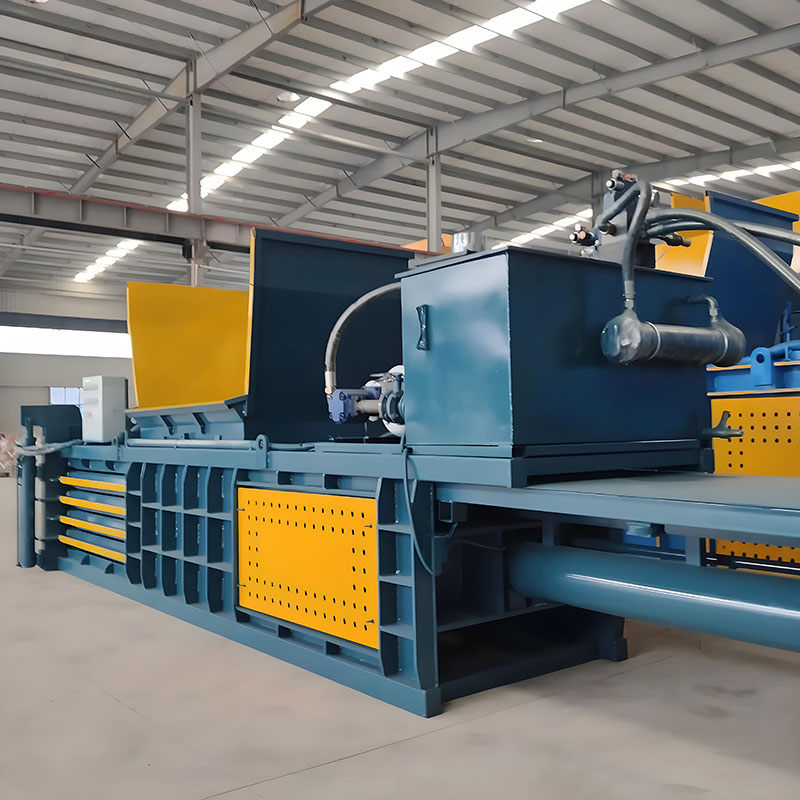
Discover how these savings accumulate yearly.
What Determines the Price of a Cardboard Baler Machine?
Prices fluctuate wildly without clear cause. Identical dimensions hide different qualities. Automation levels create cost confusion. Component origins impact longevity.
Core cost drivers: capacity (0.5-20TPH ±$147K), automation tier (manual→smart +$85K), construction (8-25mm steel ±$42K), and origin certification (basic→ISO9001+CE +$27K).
Understand each investment variable.
-
Construction Quality Spectrum
Component Economy Version Industrial Version Price Impact Lifespan Effect Hydraulic System Rebuilt pumps Brand new Bosch Rexroth +$18,600 3X longer service Steel Frame 8mm ST37 steel 12mm Q345B steel +$7,500 14 extra years PLC Controls Basic interface IoT-enabled OS +$12,800 Predictive diagnostics Tying Mechanism Manual threading Auto-twin system +$9,200 94% less jamming Safety Features Basic switches Laser barriers +$6,400 100% OSHA compliance -
Production Volume Pricing Throughput cost analysis:
- Up to 1 ton/hour: $32,500–$48,000
- 1–3 tons/hour: $47,000–$75,000
- 3–8 tons/hour: $72,000–$128,000
- 8–15 tons/hour: $125,000–$235,000
- Cost-per-ton decrease: 1TPH: $19.80 → 8TPH: $5.30
-
Hidden Value Factors Premium investments provide:
- Energy recovery systems: 23% electricity savings
- Modular expandability: +35% capacity later
- Remote troubleshooting: 67% downtime reduction
- Self-lubrication systems: Maintenance halved
- Standardized parts: Repair costs slashed 44%
How Much Can a Cardboard Baler Machine Save in Labor and Logistics Costs?
Manual handling burns labor hours. Unbaled waste trips require frequent pickup. Storage eats profitable warehouse space. Transport inefficiencies double costs.
Typical savings: $48,700/yr labor (68% reduction), $19,200 transportation (73% fewer pickups), $14,500 storage (reclaim 230m²), plus $7,900 contamination avoidance.
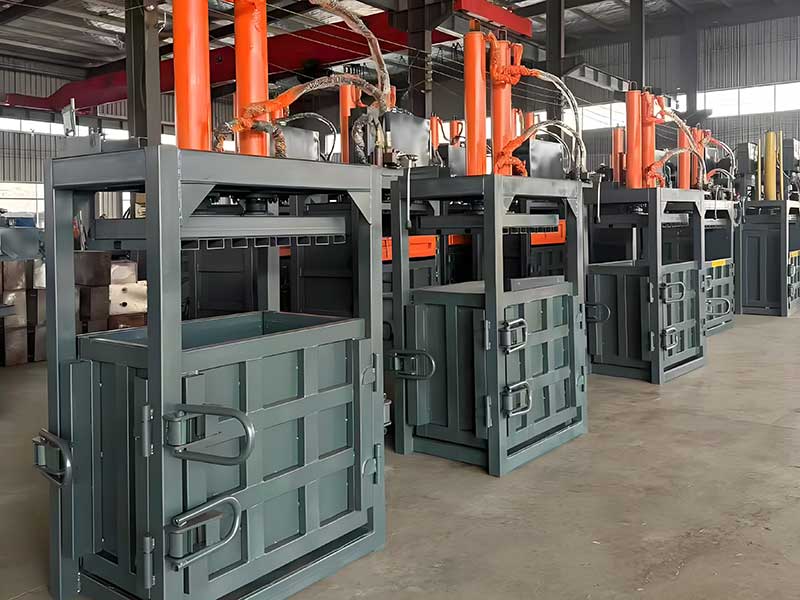
Cost-saving mechanisms explained.
-
Labor Reduction Economics
Task Pre-Baler Hours Post-Baler Hours Hourly Savings Calculation Cardboard Handling 2.8 hrs/ton 0.4 hrs/ton ($20 wage × 2.4 hours) = $48/ton Waste Organization 1.2 hrs/day 0 1.2×$20×260 days = $6,240/yr Loading Supervision 1.7 hrs/ton 0.1 hrs/ton ($25 supervisor × 1.6 hours) = $40/ton Downtime Management 3 hrs/week 0.3 hrs/week ($35 manager × 2.7 hrs) = $94.5 weekly Annual Total (5T facility) - - $48,700 saved -
Logistics Optimization
Metric Without Baler With Baler Savings Weekly Collections 8 2 $85/trip × 6 = $510 weekly Truck Capacity Used 42% 89% $73/load efficiency gain Container Rentals 3 0 $580/month eliminated Fuel Cost/Ton $11.20 $3.80 $7.40/ton saved -
Space Reclamation Value Volume compression rates:
- Loose cardboard: 4.3m³ per ton
- Standard bale: 1.1m³ per ton
- High-density auto-bale: 0.77m³ per ton
- Typical facility reclaims 230m² → $14,500 annual equivalent value
How to Calculate the ROI of a Cardboard Baler Machine?
Buyers overlook critical ROI elements. Simple payback models mislead. Hidden costs erode gains. Revenue opportunities remain underestimated.
True ROI calculation requires: labor reduction audit ($/hr×hours), logistics analysis (pre/post collection cost), bale revenue projection (market premium), and TCO forecasting (maintenance × years).
Precision ROI methodology.
-
Comprehensive Savings Formulation
Annual ROI = [Labor Savings + Logistics Savings + Bale Premiums] - [Depreciation + Maintenance + Energy]
Example: Labor Savings: $42,800
Transportation: $16,400
Bale Premiums ($18/ton × 12T/d): $68,700
Minus
Depreciation ($120K÷15y): $8,000
Maintenance: $2,800
Energy: $1,900
Annual Net: $116,200 -
Payback Period Variables
Factor Typical Impact Optimization Tips Labor Costs 52% of savings Target 0.3hrs/ton operation Bale Quality $14–31/ton premium Aim >650kg/m³ density Shift Utilization 28% cost reduction Run night shifts maintenance-free Energy Consumption $0.18–0.40/ton Use servo-hydraulic systems Peak Season 40% throughput boost Process third-party materials -
Advanced ROI Enhancement Secondary profit channels:
- Waste processing fees: Charge $15/ton neighbors
- Carbon credit generation: $85–120/ton CO2 saved
- Reduced insurance premiums: 7–12% lower risk
- Space rental income: $220/mo per 100m² freed
- Equipment demo fees: $125/hour tours
What Should Buyers Consider Before Investing in a Cardboard Baler?
Wrong capacity selection wastes money. Supplier risks emerge later. Future needs go unplanned. Certification gaps cause compliance issues.
Pre-purchase checklist: material volume audit (+30% buffer), automation scalability path, TCO modeling spreadsheet, factory certification verification, and lifecycle service agreement terms.

Investment protection strategies.
-
Future-Proofing Matrix
Current Need Solution Future-Proofing Step 6 tons/day 3 TPH baler Pre-wire for conveyor Single shift Semi-auto system PLC upgrade capability Cardboard only Standard model Multi-material kit option Domestic market Basic certs Pre-CE documentation Manual operation Entry control IoT readiness package -
Supplier Vetting Protocol
Criterion Check Red Flag Certifications ISO audit reports Certificate copies only Production Factory tour No production line access Components Brand documentation "Equivalent" claims Testing Witness test reports Paper certificates only Delivery Penalty clauses No delay compensation Contract English legal terms Basic proforma invoice -
Risk Mitigation Table
Risk Probability Prevention Financial Safeguard Delivery Delays 38% Liquidated damages 1.5%/week penalty Spec Non-Compliance 27% Third-party inspection Performance bond Component Failure 63% Brand authenticity 5-year pump warranty Capacity Shortfall 41% Witness test Machine rejection right Support Breakdown 56% Onshore presence Escrowed service funds
Conclusion
Strategic baler investments prioritize operational economics over initial price, guaranteeing measurable ROI through systemic cost elimination and value recovery.