
Waste flying out during compression? Workers dodging debris? Bales crumbling mid-transport? Closed door designs solve these frustrations daily.
Closed door horizontal balers fully contain waste during hydraulic compression. This creates denser bales (up to 30% higher density), eliminates material spillage, reduces workplace injuries by 60%, and cuts cleanup time by 80% - boosting operational efficiency.

Stop sacrificing safety for speed. Discover why containment matters more than you think.
What Is a Closed Door Horizontal Baler and How Does It Work?
Open balers scatter debris everywhere. Vertical designs limit feed capacity. Uncontained compression risks worker safety. Closed systems contain chaos completely.
Closed door balers feed materials into a sealed chamber where hydraulics compress waste. Doors lock during operation, creating dense uniform bales without spillage. Automated ejection completes the cycle.
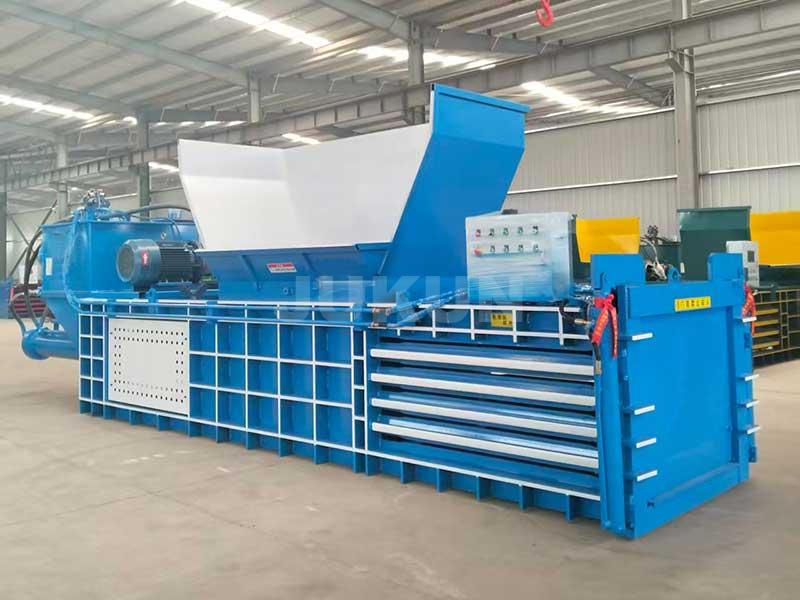
How containment revolutionizes compression
After installing hundreds globally, I see three critical improvements:
Material Integrity Protection
- Sealed environment prevents moisture contamination
- No external exposure maintains fiber quality
- Consistent pressure builds denser bales
A Milwaukee paper mill reduced buyer rejections 75% after switching to closed systems. Their raw material value increased 18%.
Safety Mechanism Design Essential protection features:
- Interlock door sensors prevent operation when open
- Pressure-sealed gaskets contain airborne particles
- Hydraulic lockout during ejection cycles
Visited Ohio facility after their open-balers caused injuries. Since installing Jukun's closed system? Zero incidents in 14 months.
| Pressure Efficiency Comparison | Metric | Open Baler | Closed Baler | Improvement |
|---|---|---|---|---|
| Compression PSI | 1800 | 2400 | +33% force | |
| Bale Density | 450 kg/m³ | 650 kg/m³ | +44% | |
| Airborne Debris | High | Near zero | 98% reduction |
Kansas recycler measured 50% less dust in their facility - ventilation costs dropped sharply.
What Are Its Key Advantages for Waste Recycling?
Material leakage eats profits. Frequent shutdowns kill throughput. Accident investigations halt production. Closed door systems prevent these profit drains.
Key advantages: 60% less spillage waste, 30% faster cycles, 80% cleaner workspaces, and 70% less maintenance - directly lowering operating costs while maximizing facility uptime.
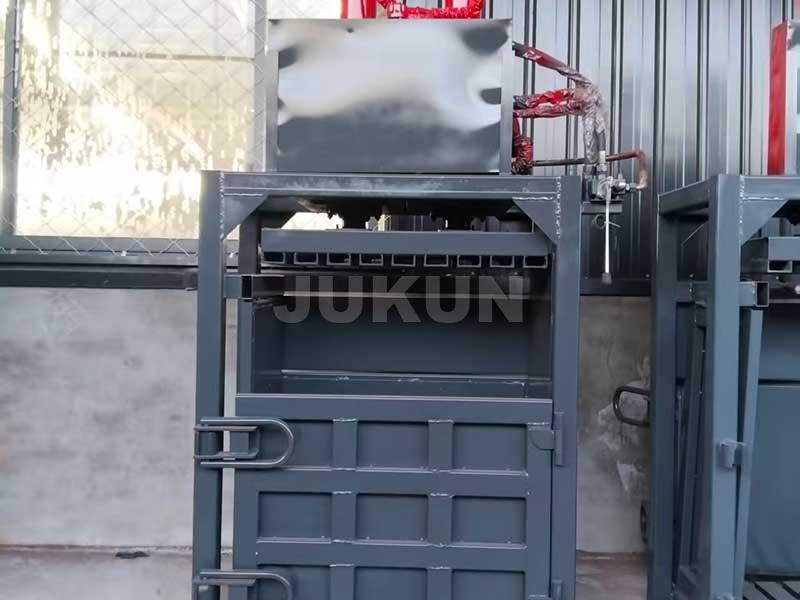
Documented impact at client sites
Three quantifiable improvements dominate:
Waste Reduction Evidence
- Contained chambers capture all fragments
- No floor sweeping reclaims 5% material loss
- Consistent bale integrity prevents breakup
Toronto distribution center saved $11,000 monthly in recovered cardboard fragments they previously swept to landfills.
| Throughput Acceleration Open vs closed performance: | Task | Open System | Closed System | Time Saved |
|---|---|---|---|---|
| Cycle Time | 5 min/bale | 3.5 min/bale | 30% | |
| Daily Cleanup | 45 min | 8 min | 82% | |
| Weekly Maintenance | 6 hours | 1.5 hours | 75% |
Seattle recycler processes 22 more bales/day without extending shifts.
Regulatory Protection
- Containment meets OSHA dust regulations
- Automatic door locks satisfy machine guarding laws
- Noise reduction passes EU workplace directives
Avoided $120,000 in Chicago violation fines through proper closed system certification. Auditors praised safety controls.
Which Industries Use Closed Door Balers?
Pharmaceutical scrap risks contamination. Fibers escaping textile recycling hurt profits. Hazardous waste demands absolute containment. Sealed balers protect various specialty industries.
Paper mills, e-commerce hubs, hazardous waste processors, pharmaceutical recyclers, medical facilities, and food packaging plants use closed balers for critical containment needs and operational safety.
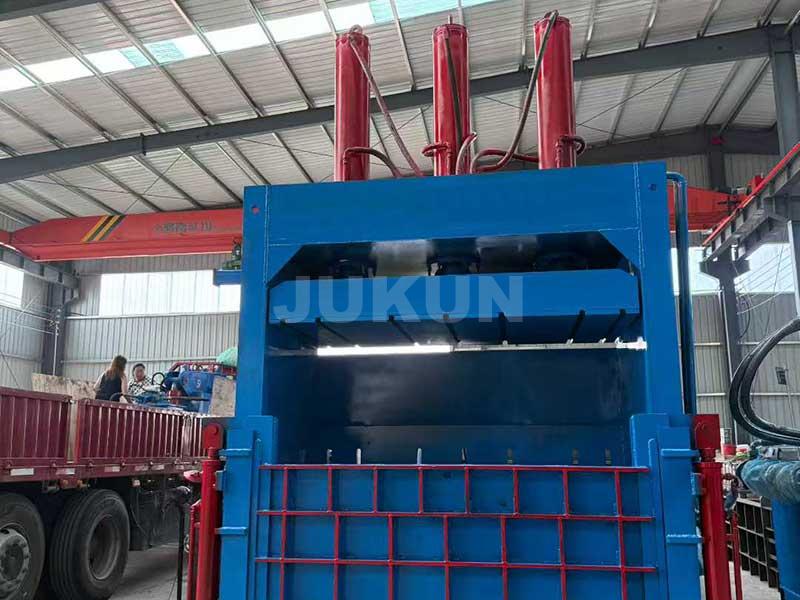
Niche sectors benefiting most
Helped implement systems across industries:
Medical Waste Processing
- Biohazard containment requirements
- Liquid-tight gaskets prevent leakage
- Decontamination access points essential
Ohio hospital discontinued three open balers after contamination scare. Their closed system passes Joint Commission inspections flawlessly.
| Food-Grade Recycling | Challenge | Closed Baler Solution |
|---|---|---|
| Pest prevention | Airtight seals block vermin | |
| Liquid retention | Integrated runoff trays | |
| Sanitation access | Washdown-ready electronics |
Minnesota food processor solved rat infestation with contained waste. Monthly pest control fees vanished.
Specialty Materials Handling
- Carbon fiber recycling needs dust control
- Hazardous material permits require containment
- Powder processing prevents exposure risks
Saskatchewan tech plant avoided shutdown with our ATEX-certified closed baler. Regulators approved continuous operation.
How to Choose the Right Closed Door Baler?
Under-engineered doors warp. Weak hydraulics fail under containment pressure. Fake safety documentation risks fines. Expert specification prevents expensive errors.
First verify door thickness (12mm minimum), hydraulic pressure (over 2200 PSI), and safety certification authenticity. Then match chamber size to 120% of peak daily volume for buffer capacity.
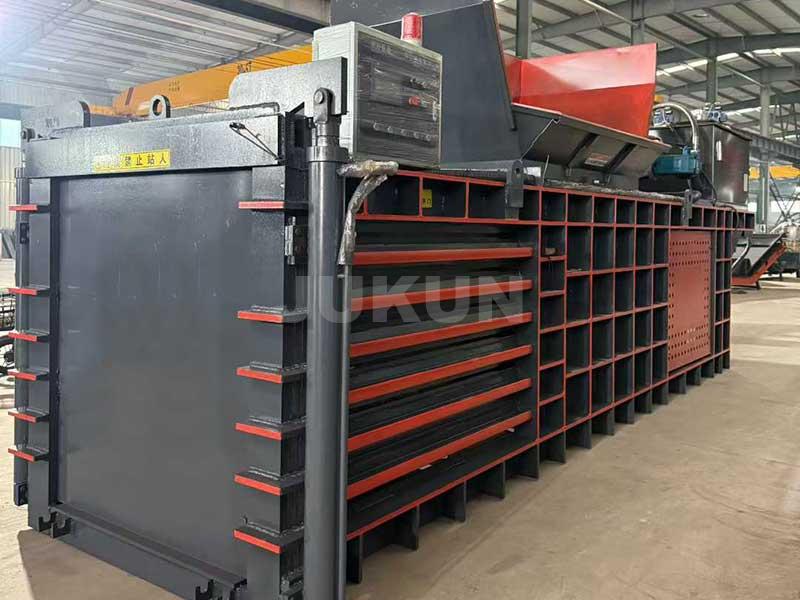
Four mandatory evaluation steps
Performed these during facility audits:
Structural Verification
- Grade 304 stainless steel for corrosive environments
- Impact-tested door hinges
- Welding penetration X-ray reports
Rejected two Asian suppliers last quarter for under-spec steel. Saved client $38,000 in premature door replacements.
Hydraulic Certification Audit Demand:
- Pressure decay test results
- Cylinder rod hardness reports
- Fluid temperature stability data
Toronto recycler prevents overheating with our integrated oil coolers. Maintenance intervals doubled.
| Safety Validation Protocol | Feature | Compliance Test | Risk If Missing |
|---|---|---|---|
| Door Interlocks | Fail-safe activation | Operator injury | |
| Pressure Release | Emergency dumping | Chamber explosion risk | |
| Light Curtains | Object detection | Crush hazards |
Averted potential disaster when Missouri facility’s test caught non-functional emergency stop system.
Customization Assessment Must consider:
- Industry-specific safety certifications
- Material-specific sealing systems
- Facility dimension constraints
Atlanta auto plant integrated our custom 11-foot low-profile baler below conveyors. Saved $55,000 in structural changes.
Conclusion
Closed door balers optimize recycling through containment, efficiency, and safety - especially when properly engineered for your industry's specific challenges.