
Tired of cardboard piles dominating your warehouse? Overflowing waste eats profits through lost space and slow processing. Investing smartly in a baler rescues your operation's efficiency.
Cardboard balers compress waste into dense, stackable bales for storage or transport. Prices reflect capacity, automation, and build quality - typically $5,000-$50,000. Strategic selection maximizes long-term ROI through labor reduction and space savings.
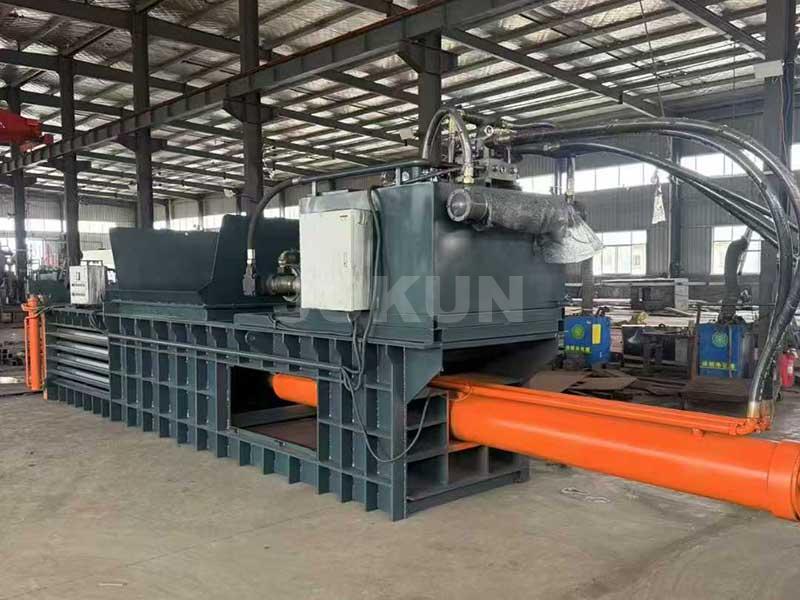
Choose wisely now - the right machine pays for itself faster than you expect. Let's explore key buying factors every recycling business owner should prioritize.
What Is the Cost of a Cardboard Baler Machine in Today's Recycling Industry?
Sticker shock slows many buyers. Overpaying hurts cash flow. Underinvesting creates hidden labor costs. I'll clarify realistic investment ranges.
New cardboard balers cost $5,000-$50,000 based on specifications. Semi-automatic compact units start near $8,500; industrial automatics reach $35,000+. Recycling facilities see payback in 9-18 months through waste-handling savings.
Three core elements determine your actual expense
Capacity requirements dictate base pricing. We break down cost drivers:
| Factor | Low Cost Tier | High Cost Tier | Impact Timeline |
|---|---|---|---|
| Automation Level | Manual feed ($5k-$15k) | Fully auto baling ($25k+) | 3-year labor savings often offset 40% price difference |
| Hydraulic Pressure | Under 20 tons | 50+ ton systems | Higher compression reduces bale storage costs by 60% on average |
| Production Volume | <2 tons daily | 10+ tons continuous | Mismatched capacity increases per-ton cost by 300% |
Remember my experience with a Canadian scrap yard last year. They purchased a mid-tier $28,000 automatic baler. Reduced their weekly transport trips from five to one. Saved $17,500 in hauling fees within eight months. Your equipment should solve specific operational pains - not create new ones.
What Factors Affect the Price of a Cardboard Baler Machine?
Comparing quotes feels confusing. Seemingly identical machines vary 30% in price. Hidden compromises lurk behind discounts.
Key price drivers include hydraulic power rating, steel gauge thickness, and control systems. Premium components justify 15-25% higher cost through extended lifespan and downtime reduction.
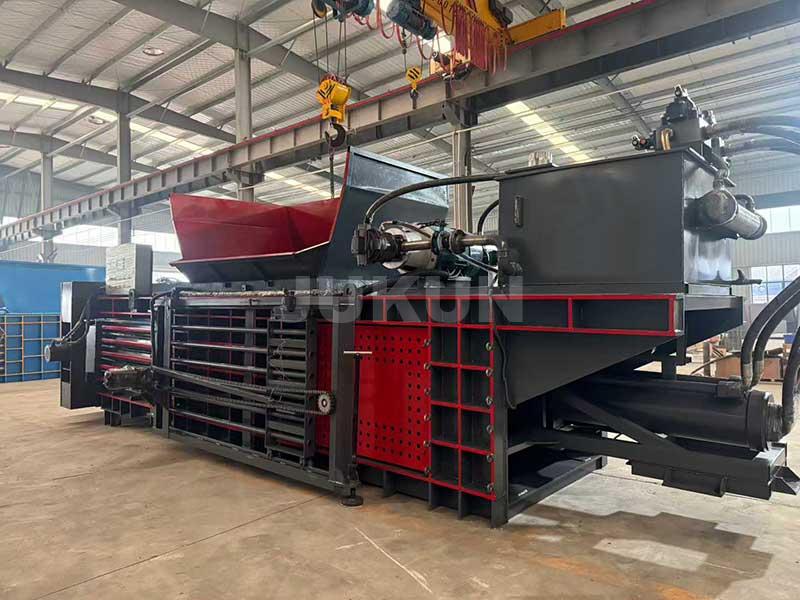
Quality indicators I insist on during factory audits
Price breakdown stems from three pillars:
Structure Integrity
- Frame steel thickness (10mm vs 6mm)
- Cylinder material grade
- Welding penetration depth
These determine whether a baler survives 5 or 15 years of daily use. One Ohio recycler bought a 'discount' unit needing full cylinder replacement after 14 months - false economy.
Operational Intelligence Control panels matter beyond flashy buttons. Automated tie-wire systems cost 8% more upfront but save $150 daily in labor. I've seen European CE-certified units maintain calibration five times longer than uncertified models.
Throughput Scalability Small operations often overlook expansion paths. Retrofitting automation later costs twice as much as integrated systems. That warehouse in Alberta expanded operations - their baler needed complete replacement after just eighteen months. Scalability always matters.
How Can You Compare Different Cardboard Baler Suppliers for the Best Value?
Supplier vetting overwhelms buyers. Flashy websites conceal weak manufacturing. Payment risks and certification fraud cause real nightmares.
Assess machine specifications uniformly and demand test videos. Verify CE/ISO certificates via auditors during factory visits. Documented client references prove sustainable operations.
Implement my three-step supplier evaluation method
Never rely on brochures alone. During my facility tours across China, I developed this approach:
Phase 1: Technical Validation Request identically configured machines for bidding. Require:
- Hydraulic pressure certification documents
- Cyclic testing reports (critical for durability)
- Material composition certificates
One buyer saved months by discovering forged steel grade reports through third-party verification.
Phase 2: Operational Transparency Insist on real-time video walkthroughs showing:
- Operating noise levels
- Bale ejection smoothness
- Safety features engagement
Avoided three 'certified' suppliers last year showing safety override gaps during virtual audits.
Phase 3: Sustainability Benchmarks Calculate total cost over five years including:
- Power consumption per cycle
- Replacement part pricing
- Maintenance technician fees
That Vancouver waste processor chose a higher-priced model when comparing five-year projections. Saved $37,000 in maintenance.
How to Choose the Best Cardboard Baler Machine for Your Budget and Recycling Needs?
Business owners face painful compromises. Overbuying strains budgets; under-equipment bottlenecks growth. I help align machinery capabilities with revenue goals.
Measure your actual daily waste volume first. Then select balers covering 120% of current needs. Automation level should match staffing constraints to avoid idle machines.
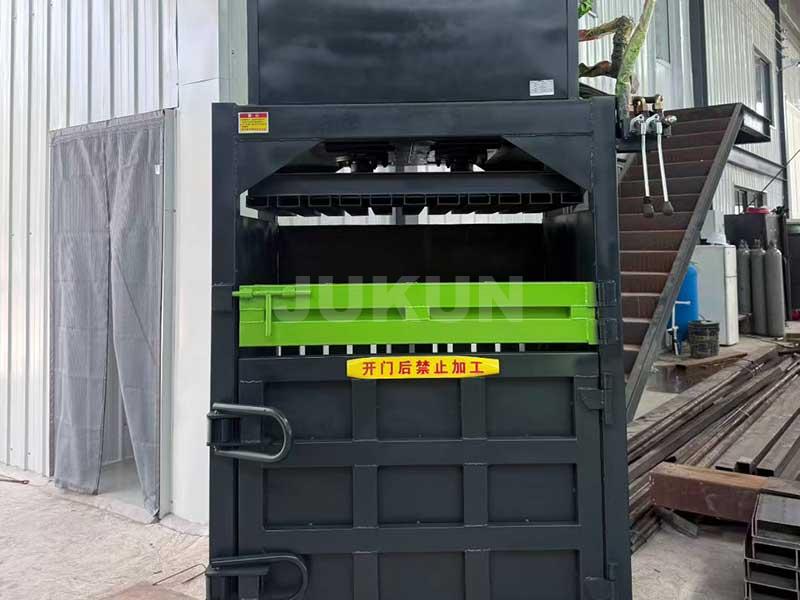
Four questions that prevent expensive mistakes
These guide every recommendation I provide:
Waste Profile Clarity
- Peak production days waste volume
- Average cardboard density
- Storage time requirements
A Toronto distributor wasted $14,000 buying oversized equipment. Better bale data captures actual needs.
Labor Economics Calculate current handling hours. Automated strapping saves 35 worker-hours weekly. One client redeployed three staff to revenue-generating roles after installing auto-cycle balers.
Space Geometry Warehouse corners require tight turn radii. Measure:
- Doorway clearance
- Power source locations
- Forklift access angles
Avoid modification costs like the Manitoba facility needing $8,000 in door reconstructions.
Scalability Path Future-proof through:
- Modular hydraulic upgrades
- Software-enabled throughput adjustments
- Standardized part compatibility
Replaced balers prematurely lose 70% resale value. Scalable units maintain 45% even after five years.
Conclusion
The right cardboard baler improves profit margins long-term. Match specifications to your actual waste reality and business goals.