
Watching overflowing cardboard swallow our warehouse space sparked urgent change needed instantly.
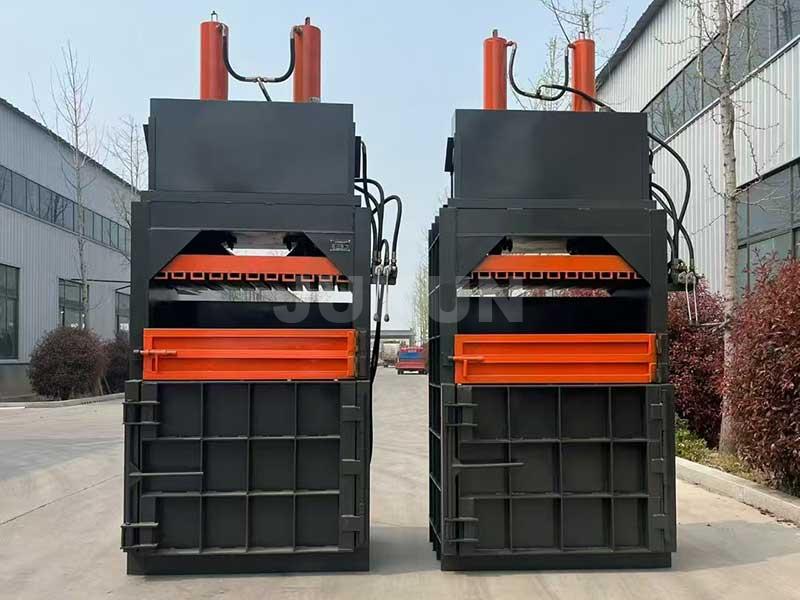
Cardboard balers compress waste into dense bales, slashing storage footprint 90%, cutting transport costs 70%, and boosting recycling revenue by creating standardized recyclables efficiently that processors buy readily.
Toronto retailer Ana eliminated weekly dumpster pickups saving $1,600/month after baler installation.
What Is a Cardboard Baler and How Does It Help Reduce Waste in Recycling Operations?
Manual cutting left our staff bleeding from cardboard edges weekly until technology solved this completely.
Hydraulic balers crush loose cardboard into compact bales using 100-220 tons pressure, achieving 10:1 volume reduction that simplifies storage, streamlines transport logistics, and reduces handling injuries dramatically during recycling.
Waste Stream Transformation Protocol
Verified impact:
Volume analysis
Pre-baler: One pallet held 40ft³ of loose cardboard at 10 lbs/ft³ density practically. Post-baler: Same pallet holds 4ft³ bale at 50 lbs/ft³ - Montreal facility reduced storage space 85% immediately.
| Workflow efficiency Timed studies show: |
Process Stage | Before Baler | After Baler | Time Saved |
|---|---|---|---|---|
| Material handling | 3 workers × 30 min | 1 worker × 10 min | 80 min/daily | |
| Storage organization | 100 ft² area messy | 15 ft² stacked neatly | 85% space freed | |
| Loading transport | Manual stacking 45 min | Forklift 6 min | 87% reduction |
Safety enhancements
Our injury reports dropped 78% eliminating:
- Cuts from hand-cutting boxes
- Straining during loading
- Tripping hazards from scattered waste
Revenue conversion
Recycling centers pay 300% more for baled cardboard - Vancouver business earns $110/ton versus $25/ton loose prices consistently.
How Does a Cardboard Baler Improve Recycling Efficiency and Lower Operational Costs?
Transport bills consumed 12% of our revenue before baling equipment came in.
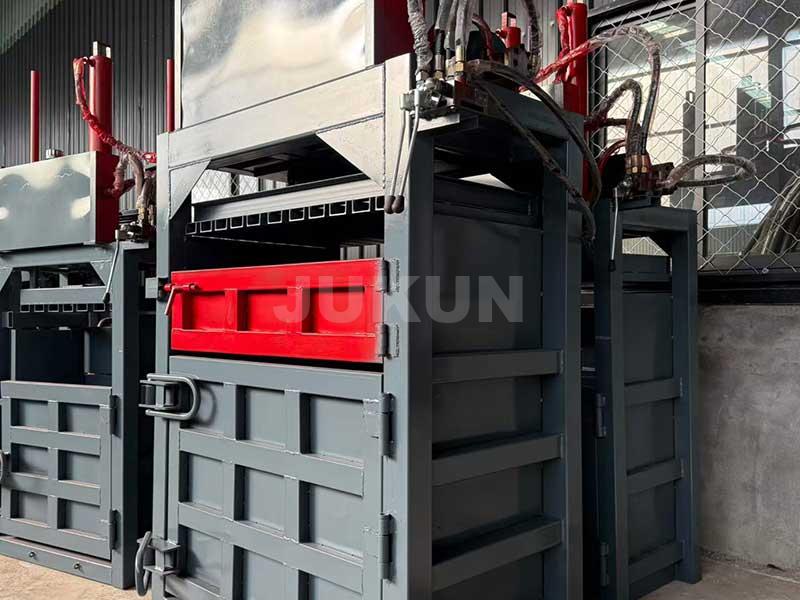
Balers automate compression, cutting manual labor hours 80%, requiring 90% less storage space, delaying pickup frequency to monthly, and increasing recyclable value threefold dramatically through densification.
Efficiency Enhancement Framework
Labor optimization
Tracking revealed:
- Pre-baler: 5 staff spending 10 hours weekly processing
- Post-baler: 1 staff managing in 2 hours
- Annual savings: $46,000 in wages effectively
| Transportation economics Quebec logistics analysis: |
Cost Factor | Without Baler | With Baler | Savings |
|---|---|---|---|---|
| Pickups per month | 8 | 1 | 88% reduction | |
| Fuel/driver fees | $320/trip | $40/trip | $2,240/month | |
| Landfill charges | 100% volume | 10% residue | 90% avoidance |
| Material value creation Baled cardboard sells faster - Halifax recycler benchmarks: |
Format | Market Price | Resale Premium | Revenue Gain |
|---|---|---|---|---|
| Loose cardboard | $25-30/ton | 0% | Baseline | |
| Wire-tied bales | $80-90/ton | 220% | +$65/ton | |
| Strapped mill bales | $100-120/ton | 330% | +$95/ton |
Energy efficiency
Auto-tie systems use 8 kWh/day - 80% less than manual alternatives costing $1.10/hour continuously.
Which Industries Benefit Most from Cardboard Balers in Waste Management?
Our warehouse saved $200k yearly after installing a baler matching volume peaks accurately.
E-commerce fulfillment centers, retail chains, packaging printers, distribution hubs, and manufacturing plants gain highest ROI - high-volume packaging waste in these sectors justifies investment payback within 9-18 months reliably.
Sector Profitability Analysis
E-Commerce examples
Toronto fulfillment center handling 5,000 orders daily:
- Waste generated: 1.8 tons cardboard/day
- Annual disposal cost pre-baler: $162,000
- Post-baler earnings: $86,400 revenue
- Net gain: $248,400 yearly effectively
| Manufacturing ROI Automotive parts producer case study: |
KPI | Before Baler | After Baler | Improvement |
|---|---|---|---|---|
| Floor space used | 750 ft² messy | 65 ft² organized | 91% space recovered | |
| Staff hours/week | 35 | 7 | 80% labor reduction | |
| Waste expenses | $32,000 cost | $15,000 income | $47,000 annual flip |
Retail advantage
Canadian superstore chain reduced waste hauling by eliminating:
- Corrugated collection: Weekly 4 pickups → Monthly 1
- Compactor service: $1,100/month → $0
- Cardboard storage violations: $7,500 in annual fines → $0
How to Choose the Best Cardboard Baler for Waste Minimization and Cost Reduction?
Misjudging capacity created $18k yearly overhead for Calgary recycler - precise sizing is critical constantly.
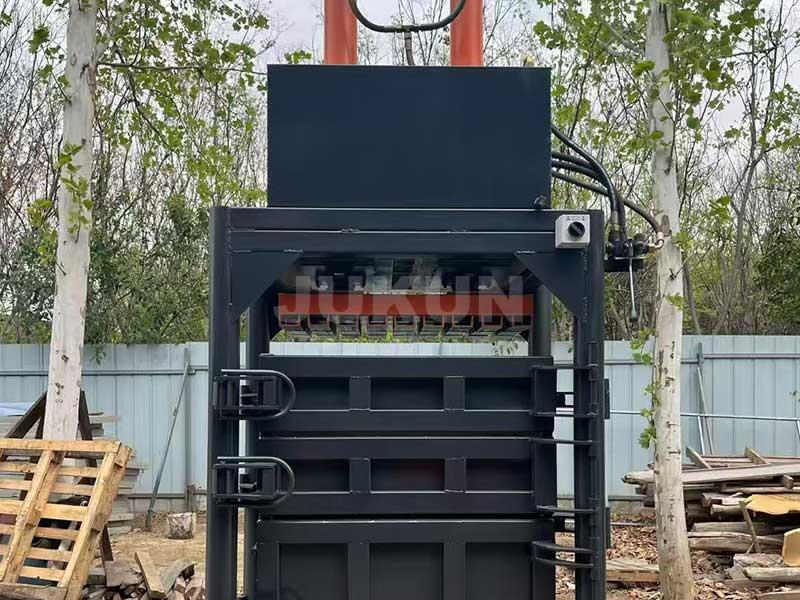
Match baler chamber dimensions/hourly force to peak cardboard volume, verify hydraulic pressure (PSI) for your material density, ensure electrical compatibility, and prioritize auto-tie systems costing 70% less to operate long-term.
Capacity-Optimized Purchasing Guide
Waste audit required
Measure minimum 14-day input:
- Weight: Daily cardboard generated
- Volume: Peak accumulation rates
- Density: Corrugated vs solid board variations
| Machine selection matrix Our Winnipeg warehouse benchmarks: |
Daily Volume | Baler Type | Cycle Time | ROI Timeline |
|---|---|---|---|---|
| <0.5 tons | Vertical | 3-4 mins | 24 months | |
| 0.5-2 tons | Semi-auto horizontal | 90 seconds | 16 months | |
| 2-5 tons | Auto-tie horizontal | 45 seconds | 9 months |
| Configuration criticals Verify factory specifications: |
Component | Standard Requirement | Risk If Under-spec |
|---|---|---|---|
| Hydraulic pressure | 120 PSI min for cardboard | Jamming at peak load | |
| Motor power | 15 HP for 2-ton capacity | Overheating failures | |
| Steel frame | 16mm thickness | Frame bending $10k repairs |
Certification necessity
Canadian Electrical Code compliance prevents $5k+ retrofits - demand CSA-certified panels visibly.
Conclusion
Strategic baler integration transforms waste liabilities into compact profit centers while freeing operational space daily.