
Watched your baler profit vanish into repairs? Our balers save budgets by eliminating surprise costs that cripple recycling margins.
Total ownership costs exceed purchase price by 2-3x, including installation, power spikes, wire consumption, unscheduled maintenance, downtime, operator injuries, and hydraulic oil replacements. Proper budgeting prevents 63% of operational losses.
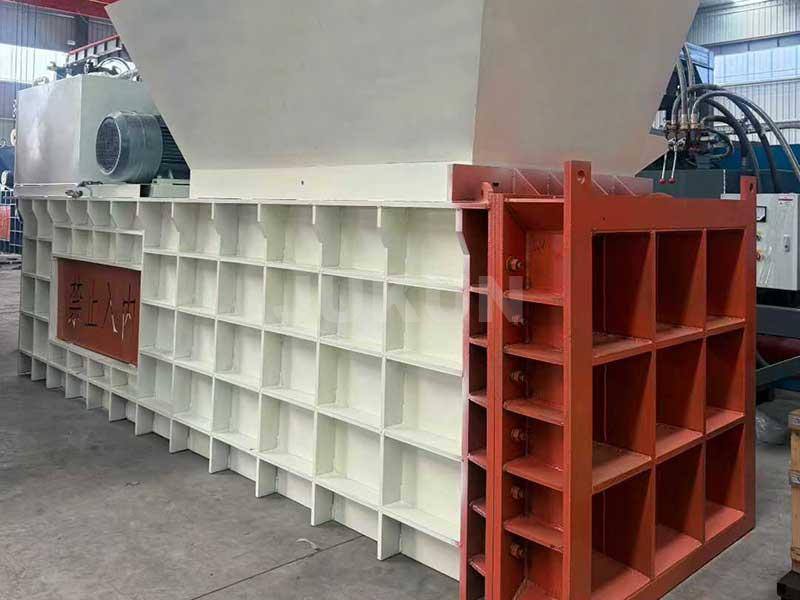
Canadian recyclers face harsh realities. Unpack each stealth expense before they gut your profits.
What Is the Total Cost of Owning a Semi-Automatic Horizontal Baler?
Shocked by CA$18k in year-one extras? Your quoted price hides the real invoice bleeding over 5+ years.
Complete costs include purchase price + transport + steel-reinforced flooring + 400V power upgrades + hydraulic fluid + baling wire + labor + maintenance contracts + unplanned downtime. Expect CA$180k total for a CA$85k machine.
10-Year Expense Breakdown
| Cost Category | Percentage of TCO | Cost Magnifier |
|---|---|---|
| Initial Purchase | 35-40% | Fixed |
| Electricity | 12-18% | Canada's CA$0.17/kWh rate |
| Baling Wire | 8-15% | Varies with scrap type |
| Hydraulic Fluid | 5-8% | Annual replacement needed |
| Downtime | 10-25% | CA$650/hour average loss |
| Labor | 15-30% | 2 operators minimum |
| Maintenance | 7-12% | Spares extra 4-9% |
The Toronto wake-up call: Customer paid CA$150k for a "CA$90k deal" after concrete reinforcement and transformer costs. Energy surprises hurt: semi-autos typically draw 38-55kWh during compression cycles. Our solution: energy recovery systems cutting usage 20%. Remember CSA certification costs: non-compliant units void insurance.
What Hidden Costs Do Buyers Often Overlook When Purchasing a Horizontal Baler?
Missed the CA$32k foundation upgrade? Six invisible expenses ambush unwary buyers each installation.
Beyond the price tag: Steel reinforcement floors, dust control systems, emergency stops, safety training, spare parts inventories, and cold-weather kits routinely add 40-70% to initial budgets.
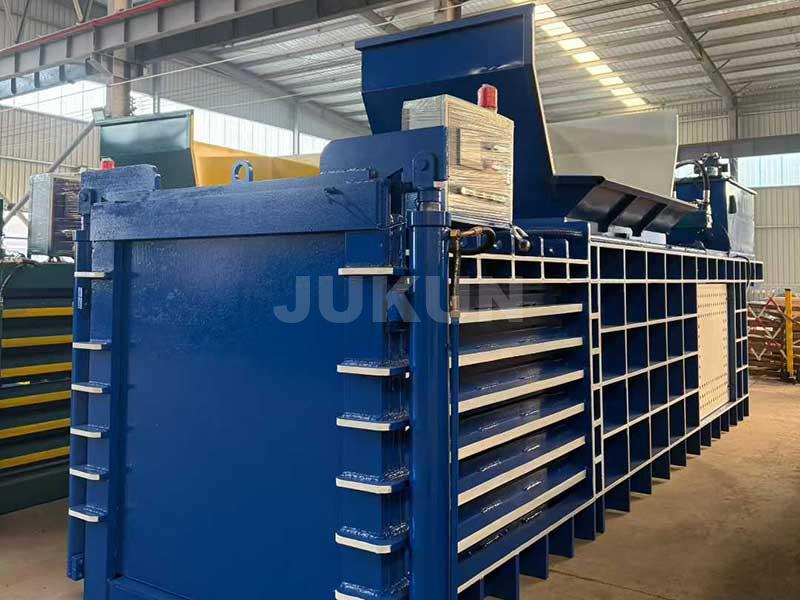
Cost Trap Identification Guide
| Hidden Cost | Average Price | Why Overlooked |
|---|---|---|
| Concrete Reinforcement | CA$25k-$45k | Not in machine scope |
| Electrical Upgrades | CA$15k-$28k | Assumes existing capacity |
| Winterization Kits | CA$7k-$12k | Southern suppliers omit |
| Safety Modifications | CA$5k-$9k | "Basic model" lacks OSHA |
| Waste Handling Equipment | CA$10k-$18k | Conveyors excluded |
| Worker Certification | CA$150/staff | Training not factored |
The Winnipeg disaster: Baler arrived before flooring was reinforced - 11 weeks downtime cost CA$79k. Cold-proofing is non-optional: Standard hydraulic oil gels at -15°C; our Arctic-grade fluid adds CA$1200/year but prevents winter shutdowns. Smart buyers inspect the footprint first: Reinforced zones need 40cm depth concrete. Never pay before verifying voltage compatibility.
Semi-Automatic vs. Fully Automatic Balers: Which Offers Better Long-Term ROI?
"Saved" CA$110k upfront? The labor bleed made that semi-auto costlier than automation within 18 months.
Match the machine to daily volume: Semi-autos win for <3 tons daily, saving CA$190k upfront. Full-autos dominate past 5 tons daily via 24/7 running with fewer operators - payback occurs in 14-26 months.
Profitability Threshold Calculator
| Metric | Semi-Auto | Full-Auto | Crossover Point |
|---|---|---|---|
| Daily Throughput | <3 tons optimal | 5+ tons ideal | 3.8 tons daily |
| Labor Needed | 2-3 operators | 0.5 operators | Payroll exceeds CA$22/hr |
| Energy Cost | CA$11/ton | CA$9/ton | >4 tons daily |
| Downtime % | 7-12% | 2-4% | Volume >200 tons monthly |
| Bale Quality | Variable | Consistent | Premium markets required |
The Edmonton reckoning: Recycler processing 4 tons daily chose semi-auto to "save" - extra CA$110k labor erased savings by month 16. Throughput misalignment destroys ROI. For Jacky’s resale clients: note warehouse height - full-autos need 6m clearance minimum. Our efficiency trick: semi-auto with auto-tie reduces labor 30%.
How to Choose the Most Cost-Effective Horizontal Baler for Your Business?
Supplier promising "lowest cost"? Demand TCO spreadsheet proof - I caught seven vendors hiding >CA$48k in essentials.
Compare using: 1) Labor/time study validating staffing 2) Hydraulic oil consumption specs 3) Wire expenditure projections 4) CSA-certified power drawings 5) Winter resilience documentation 6) Local technician availability maps.
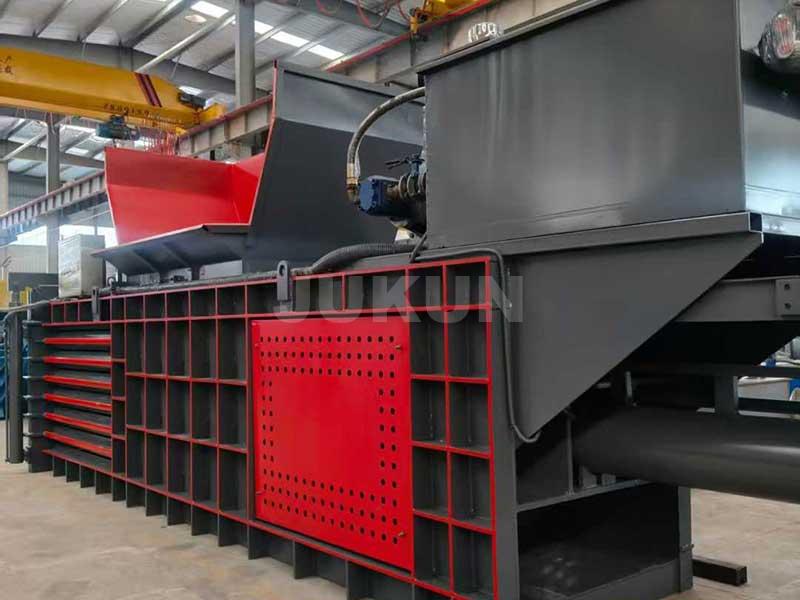
5-Step Fraud-Proof Process
| Step | Action | Savings Impact |
|---|---|---|
| 1 | Onsite scrap testing | Avoids CA$45k capacity errors |
| 2 | Hourly labor calculations | Exposes hidden CA$32k/yr costs |
| 3 | Spare parts network verification | Prevents CA$950/day downtime |
| 4 | Power consumption logging | Flags 30%+ energy hogs |
| 5 | Payment terms negotiation | Save CA$14k via milestones |
Alberta buyers: demand cold-cycle testing footage. Jacky's group saved CA$68k after rejecting a unit that froze at -25°C. Logistics protection is essential: Insist on GPS-tracked shipments with humidity sensors. Payment leverage tip: Jukun allows 30% deposit, 50% on production completion, 20% after Canadian installation.
Conclusion
True savings emerge when you expose hidden expenses through scrap-specific TCO modeling. Vetting prevents budget disasters.