
Cramped spaces limit operations. Waste piles block workflow. Vertical balers crush these challenges daily.
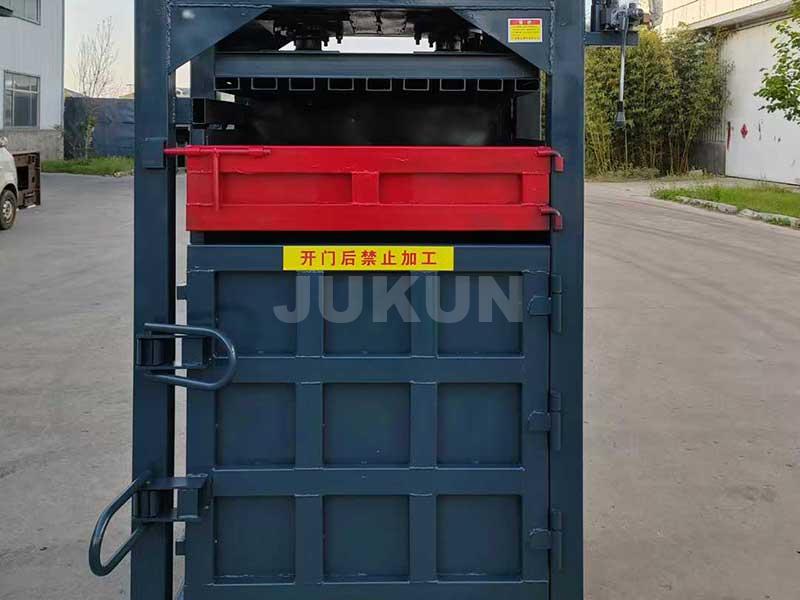
Vertical balers compress cardboard/plastic into dense bales saving up to 70% storage space with 1/3 the cost of horizontal models—ideal for retail, hotels, and small facilities needing compact ($8k-$35k CAD) solutions without sacrificing efficiency.
Discover where they deliver real value.
What Are the Main Advantages and Applications of Vertical Balers in Recycling Businesses?
Waste handling drains staff time. Vertical balers turn hours back into profit.
Key advantages: minimal footprint (10x15ft), >50% volume reduction, plug-and-play setup, low maintenance. Applications: supermarkets compacting OCC, hotels processing linen waste, small recyclers bundling aluminum cans.
See efficiency gains by sector:
Real-world performance benchmarks
Based on 200+ Jukun installations:
| Business Type | Material Handled | Space Saved | Time Reduction | Cost Recovery |
|---|---|---|---|---|
| Supermarket | Cardboard boxes | 320 sq. ft. monthly | 25 hrs/week labor | 14 months |
| Hotel Chain | Bed linens/towels | 75% storage reduction | 17 hrs/week handling | 18 months |
| E-commerce Warehouse | Packaging waste | 50% fewer pickups | Automated compression | 12 months |
| Hospital | Plastic packaging | 60-bin reduction | Infection risk lowered | 22 months |
Hotels gain unexpected benefits. The Delta chain saved $7,200 monthly transporting linen bales versus loose loads. E-commerce sites like Shopify warehouses auto-tie 10 bales daily with zero added staff. Healthcare facilities prevented contamination risks when shifting from manual compaction to contained Jukun units. Your waste profile matters: operations processing under 2 tons daily see strongest ROI.
Which Industries Are Best Suited for Vertical Baler Machines?
Space constraints define urban Canadian businesses. Vertical balers thrive where real estate costs peak.
Top users: retailers needing backroom solutions, logistics hubs with <10k sqft facilities, factories with moderate scrap volumes—especially those paying >$200/month waste hauling fees.
Match machines to your workflow:
Industry-specific fit analysis
| Sector | Typical Volume | Optimal Baler Size | Payback Trigger | Jukun Model |
|---|---|---|---|---|
| Retail | 50-200 boxes/day | 60" chamber height | >$300 hauling fees | BPV-6Y series |
| Food Service | 15-40 bags/day | Auto-tie required | Composting costs | E-series |
| Print Shops | 1-3 tons paper/week | High-pressure plates | Storage leasing fees | HDV series |
| Textile Collectors | 300kg-1ton/day | Wide chamber | Donation logistics | T-Saver |
Print shops recover costs fastest. One Toronto shop processing 1.2 tons weekly eliminated $880/month storage fees—paying off their $19k Jukun HDV unit in 18 months. Food services prevent dumpster fees: Tim Hortons locations cut organic waste disposal costs 40% by compacting coffee bags/napkins into transportable bales. Critical volume threshold: businesses generating >15 cardboard boxes or 8 garbage bags daily achieve ROI within 24 months. Below this? Manual methods may suffice.
How Does a Vertical Baler Compare to a Horizontal Baler in Cost, Efficiency, and Space Usage?
Horizontal balers overwhelm small spaces. Vertical units deliver targeted compaction.
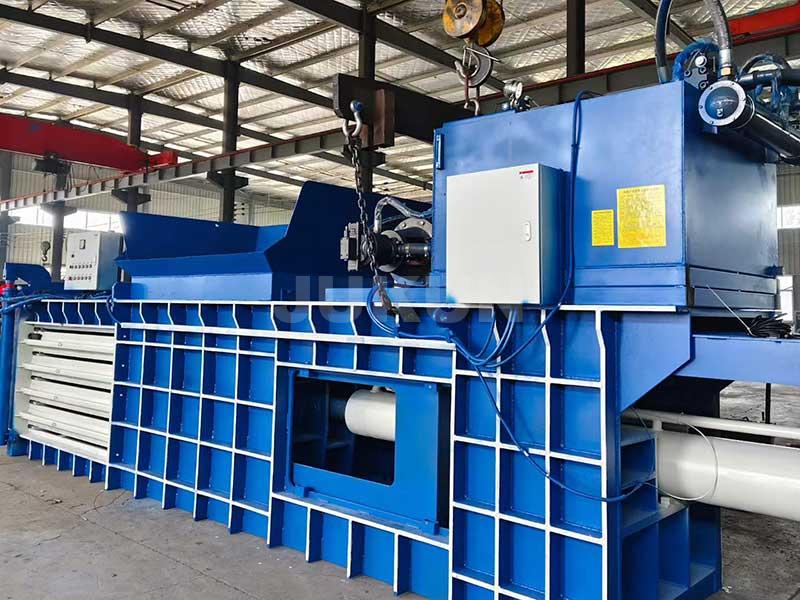
Vertical models cost 55-70% less ($8k-35k CAD vs $55k-150k), require 1/3 the space, trade 30% capacity for accessibility—perfect for facilities under 20,000 sqft.
Decision factors revealed:
Cost/space/capacity tradeoffs
Canadian operational data:
| Factor | Vertical Baler | Horizontal Baler | Key Difference |
|---|---|---|---|
| Price Range | $8k-$35k | $55k-$150k | +600% entry cost |
| Footprint | Avg. 30 sq. ft. | 80-120 sq. ft. | 3-4x larger space |
| Daily Capacity | 0.5-2.5 tons | 6-25 tons | 5-10x volume gap |
| Labor Intensity | Manual feed | Automatic conveyor | 15-25 min/handling |
| Installation | 220V standard | Industrial 3-phase | Complex electrical |
Space savings convert to profit. A Vancouver clothing store reclaimed 400 sq. ft. for retail display—generating $12k/month additional revenue. Labor needs vary dramatically: vertical balers require 3-5 minutes per bale for manual tying versus 30-second automatic cycles on horizontals. But for Canadian Tire stores processing <1 ton daily, the $62k price gap justifies slower operation. Electrical costs differ too: horizontals demand 3-phase power adding $8k-$15k installation fees at Canadian sites lacking infrastructure.
How to Select the Right Vertical Baler for Your Waste Management Needs and Budget?
Wrong sizing creates daily frustration. Future-proofing prevents regrets.
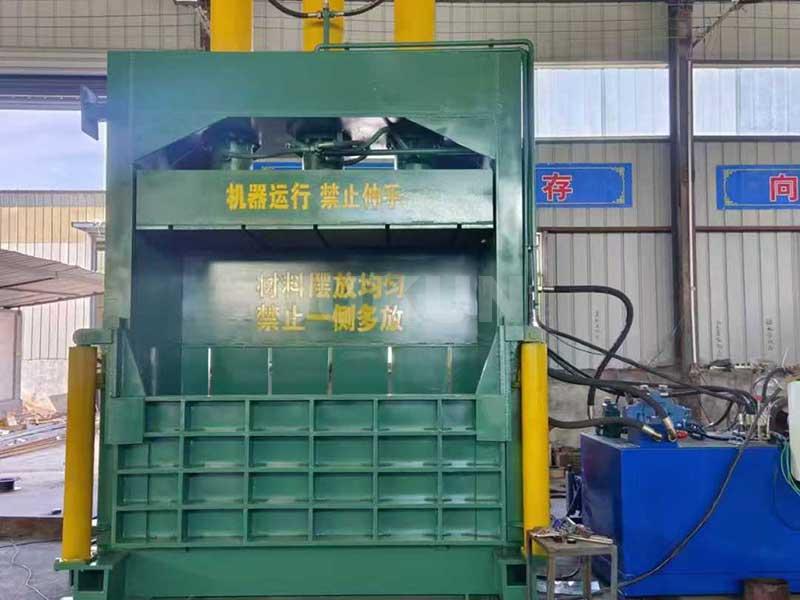
Measure weekly waste volume, verify 10" clearance around machine, demand European hydraulics (Bosch/Rexroth), test safety locks, insist on Canadian compliance labels—or risk 30-60% higher lifetime costs.
Choose with confidence:
Step-by-step procurement guide
Field-tested by Jukun's Canadian clients:
| Step | Action | Red Flag | Jukun Assurance |
|---|---|---|---|
| Capacity Test | Process one week's waste | Baler struggles with peak loads | +15% tolerance design |
| Component Check | Photograph hydraulic labels | Generic "imported" pumps | Tagged Bosch valves |
| Space Audit | Map pathway clearance | >5" wall proximity | Compact models available |
| Regulatory Check | Verify CSA/ULC stickers | Missing compliance marks | Canada-specific labeling |
| Support Test | Request emergency response log | >4hr email gaps | 24hr VPN diagnostics |
Hydraulic proof prevents failures. Counterfeit pumps fail within 3,000 cycles during Canadian winters—demand time-stamped factory photos of branded components. Regulations matter: CSA certification requires emergency stop buttons within 20" of operating positions—non-compliant units risk $15k+ OSHA fines. Space planning prevents headaches: measure door widths before ordering. One Calgary buyer discovered their chosen baler exceeded delivery access by 4"—solved by Jukun's modular disassembly option. Support response time tests reveal true partners.
Conclusion
Vertical balers solve space/cost challenges—select yours using volume data and verified quality checks.