
Wasting money on the wrong baler? Your recycling profits suffer when machines don't match your needs. Choose correctly and save costs.
Select horizontal, vertical, semi-automatic, fully automatic, closed-end, or two-ram balers after considering material type, daily volume, and automation needs for maximum profitability and efficiency.
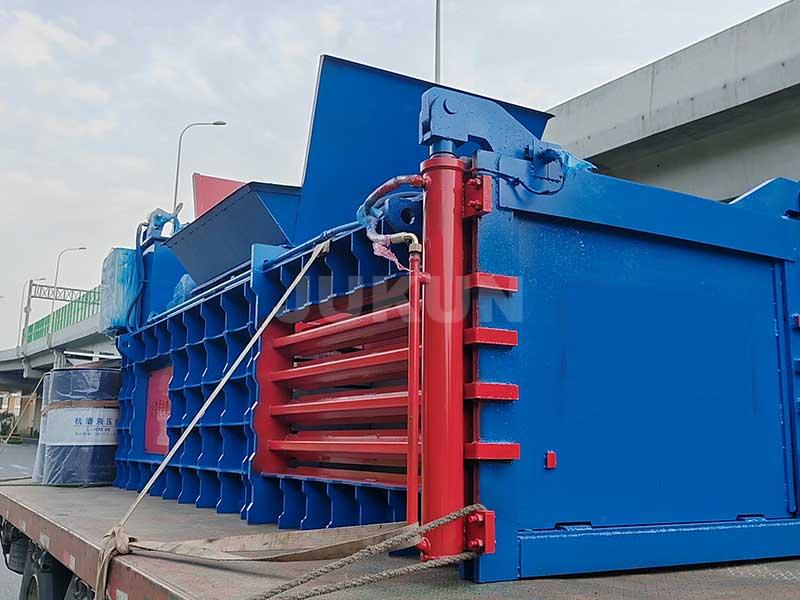
Picking suitable equipment matters now. We explore key options.
What Types of Recycling Baler Machines Are Available?
Frustrated by complex choices? The wrong machine wastes your resources. Simplified breakdown helps.
Horizontal, vertical, semi-automatic, fully automatic, closed-end, and two-ram balers vary by capacity, automation, cost, and application needs.
Understand each type clearly.
Breaking down baler variants
| Baler Type | Key Features | Best For |
|---|---|---|
| Horizontal | High capacity, continuous operations | Recycling plants, large factories |
| Vertical | Small footprint, low cost | Warehouses, supermarkets |
| Semi-Auto | Manual tying, moderate output | Growing businesses |
| Full-Auto | Automatic feeding and tying | High-volume facilities |
| Closed-End | Higher density, simple structure | Cardboard/plastic |
| Two-Ram | Multi-material, uniform bales | Large MRFs |
Daily volume drives decisions. Small facilities find vertical balers useful without expensive investments. Mid-sized operations benefit from semi-auto options. Heavy-duty recyclers require horizontals. Two-ram balers handle diverse materials well. Your future expansion matters also. At Jukun, we customize sizes from compact to industrial models matching your growth timeline. Matching baler type to your actual operation avoids under or over-investing. Proper configuration saves money long term.
What Are the Key Differences Between Horizontal and Vertical Balers?
Initial cost anxiety stops smart purchases. Misalignment hurts ROI badly. Clarity prevents financial loss.
Horizontal balers suit high-volume sites with automation needs but require more space and budget; verticals fit tight areas handling smaller volumes at lower purchase cost.
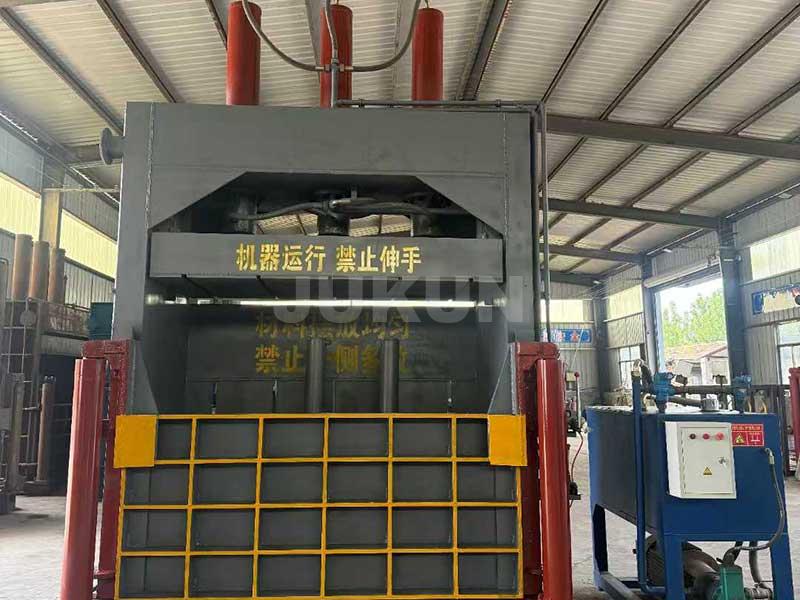
Compare both practically now.
Horizontal and vertical trade-offs
Imagine processing fifty tons daily manually. Labor expenses drain profits. Horizontal automates this task efficiently. Conversely, supermarkets with weekly cardboard peaks find verticals sufficient. Key factors differ:
| Factor | Horizontal Baler | Vertical Baler |
|---|---|---|
| Footprint | Needs large warehouse area | Fits small backrooms |
| User Type | Recycling plants, manufacturers | Retail chains, small enterprises |
| Labor Input | Minimal with automation | Manual feeding required |
| Best Case | Large daily quantities needing efficiency | Limited-space locations with low recycling |
Choose horizontals when volume justifies equipment cost. Their automated systems reduce human errors consistently. Verticals serve temporary needs well without huge capital. ROI calculations often favor horizontals for bulk operators. We help Jukun clients analyze ten-year ownership costs beyond initial pricing alone. The right alignment affects your revenue stream directly.
Which Recycling Baler Machine Is Best for Different Materials and Industries?
Wrong material handling damages machine life. Inefficiency loses money hourly. Material-based selection fixes this.
Cardboard uses horizontal or small vertical balers; plastic film needs high-pressure horizontals; textiles require specialized compressors; metals demand heavy-duty hydraulic units.
Material traits dictate choices.
Matching machines to industries
Textile factories find uniform bales increase resale value significantly. Plastic processors need greater pressure capacity horizontally. Compare recommendations:
| Material | Equipment Specs | Industries |
|---|---|---|
| Cardboard/OCC | Mid-pressure horizontal/vertical | Warehouses, retailers |
| Plastic Film | 120+ ton horizontal balers | Recycling centers |
| PET Bottles | High-density chamber models | Bottling plants |
| Cotton Textiles | Textile-specific cylinder units | Garment factories |
| Scrap Metal | Double hydraulic systems | Scrap yards, foundries |
Paper mills using horizontal balers report twenty percent space savings easily. Supermarkets compacting occasional cardboard find verticals practical. Material properties demand unique compressing forces for optimal density. Cotton requires slower cycles than cardboard, for example. Plastic bottle processors at Jukun receive customized chamber sizes that boost compaction thirty percent, increasing their profits substantially. Matching precisely cuts your operational headaches.
How to Choose the Best Recycling Baler Machine?
Cheap machines fail within years. Hidden expenses eat profits. Evaluate total ownership cost wisely.
Assess daily volume, material type, space limits, automation needs, hydraulic quality, certifications, after-sales service, and supplier credibility to secure optimal ROI.
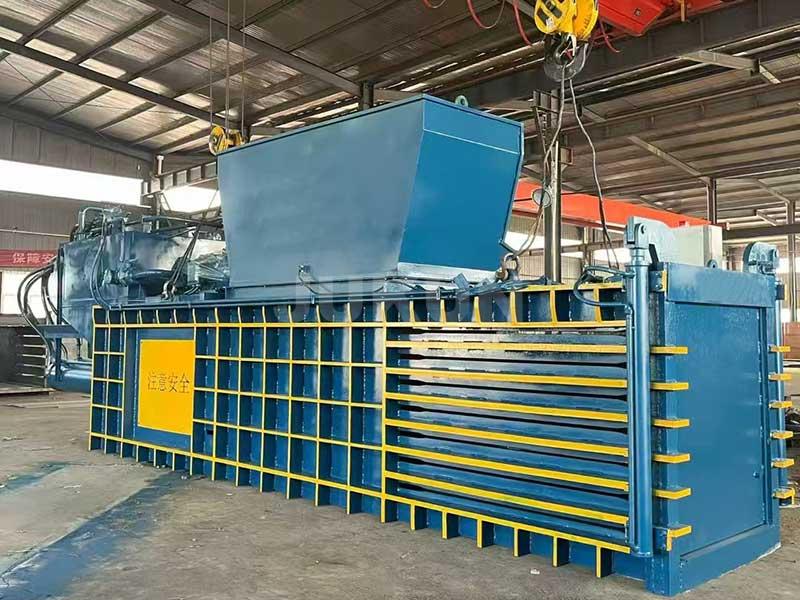
Smart factors guide decisions.
Critical purchasing considerations
A client once chose solely on price. Their non-certified baler broke weekly, requiring expensive repairs from unauthorized suppliers. Contrast key factors:
| Priority | Importance | Tips |
|---|---|---|
| Daily Volume | Most crucial | Measure peak output needs accurately |
| Supplier Support | Reduces downtime | Confirm spare parts access globally |
| Certifications | Legal compliance | Verify authentic CE/ISO documents |
| Hydraulic Quality | Machine longevity | Inspect cylinders on-site |
| Total Cost Analysis | Beyond base price | Include maintenance and labor savings |
After-sales support matters greatly when technical failures occur suddenly. Certification paperwork prevents import delays or fines. Hydraulic oils deteriorate rapidly in substandard pumps, causing breakdowns. At Jukun, we maintain ready spare parts hubs across fifteen countries. Our twenty-year experience means robust metal benders endure hard plastic daily. Customized PLC controls let operators manage cycles easily. Factor in installation space too. Avoid purchasing regrets with comprehensive planning. Partner with direct manufacturers since middlemen obscure production faults often. Good decisions save thousands yearly safely.
Conclusion
Picking suitable balers boosts efficiency. Correct type matching protects profits long term through informed vendor partnerships.