
Canadian recyclers lose $82/ton when compactors crush valuable cardboard. Stuck paying landfill fees plus lost profits? You need more than volume reduction - you need revenue generation.
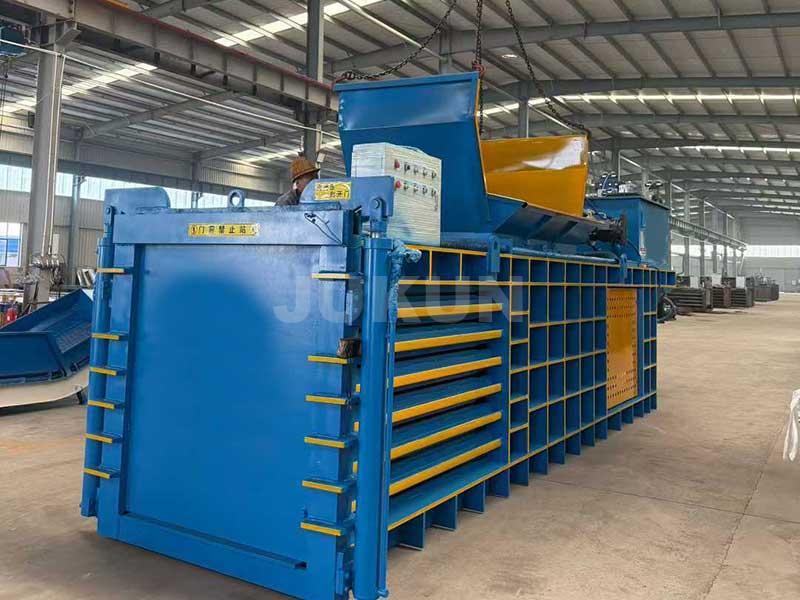
A baler machine compresses recyclable materials such as cardboard, paper, plastic, and metal into dense, compact bales for easier storage, transportation, and resale. A compactor reduces the volume of general waste for more efficient disposal. The main difference is that balers generate value from recyclable materials, while compactors focus on reducing disposal costs. Businesses should choose a baler for recyclable waste and a compactor for non-recyclable waste based on their waste stream and operational needs.
Let's explore how choosing correctly impacts your bottom line.
What Are the Key Differences Between Balers and Compactors?
Mistaking compactors for recyclables turns potential profit into landfill waste. Understand or waste thousands monthly.
Balers produce dense, tied bales ready for recycling markets. Compactors crush materials into compacted blocks destined for landfill. Key difference: balers generate revenue. Compacted waste costs you disposal fees.
Toronto Recycling Plant Case Study
Real-world impacts:
| Feature | Baler | Compactor | Canadian Impact |
|---|---|---|---|
| Material Value | $120-$290/ton | $0 | Montreal facility gains $180k/year |
| Residual Value | Sell bales | Pay tipping fees | Saves $85/ton landfill costs |
| Storage Density | 450kg/m³ | 300kg/m³ | Warehouse savings: $55/m² monthly |
| Processing Speed | 5 min/bale | 20 min/load | Labor savings: $37,000/year |
| Temperature Tolerance | -30°C to 50°C | Above freezing | Jukun balers handle Canadian winters |
A Winnipeg supermarket upgraded to balers: 4 month payback period. Compacted waste blocked conveyors during winter operations.
Which Machine Is Best for Cardboard, Plastic, Scrap Metal, and General Waste?
Dumping OCC cardboard in compactors burns $160/ton resale value. Material type determines your profit potential.
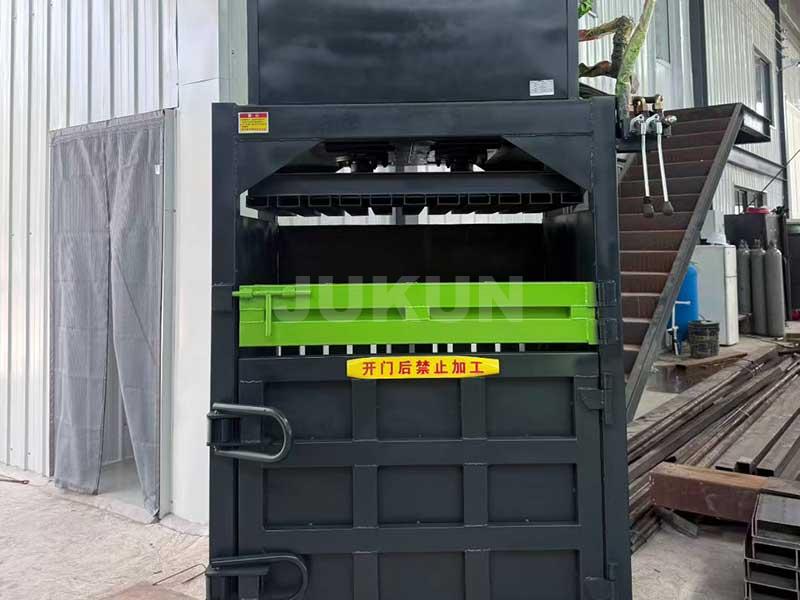
Balers maximize value from cardboard, plastics, metals and textiles. Compactors suit non-recyclable waste like food scraps or mixed trash. Important: recyclables in compactors lose all revenue potential.
Material-by-Material Revenue Guide
Critical sorting insights:
Profitable Materials for Balers
- Cardboard/OCC ($90-160/ton)
- PET bottles ($280-450/ton)
- UBC cans ($1,200-1,800/ton)
- HDPE plastics ($0.50-0.70/kg)
Compactor-Suitable Waste
- Food-contaminated packaging
- Mixed municipal waste
- Sanitary products
- Composite materials
A Calgary recycling center found baled aluminum cans covered 62% of equipment costs. Compactors destroyed salable textiles worth $0.25/kg.
Which Equipment Delivers Better ROI and Lower Operating Costs?
Cheap compactors cost Saskatchewan plants 37% extra in hidden expenses. True savings come from revenue.
Balers typically deliver 18-36 month ROI through material sales plus waste cost reductions. Compactors only lower disposal fees by 20-50% without revenue generation. Recyclers consistently see balers outperform.
Cost Breakdown: Year 1-3
Verified facility audits:
| Cost Factor | Baler | Compactor |
|---|---|---|
| Recyclables Revenue | $112,000+ | $0 |
| Waste Haul Savings | 40-75% | 20-50% |
| Labor Requirement | 8-15 hrs/week | 12-22 hrs/week |
| Payback Period | 18-28 months | 60+ months |
| Residual Value | 25-40% resale | Scrap metal value |
Jukun clients report transportation cost reductions from high-density bales: Vancouver recycler saved 72 container loads annually.
How to Choose the Right Waste Management Equipment for Your Business?
Wrong equipment decisions cost Edmonton factory $220k in remediation. Ask these critical questions first:
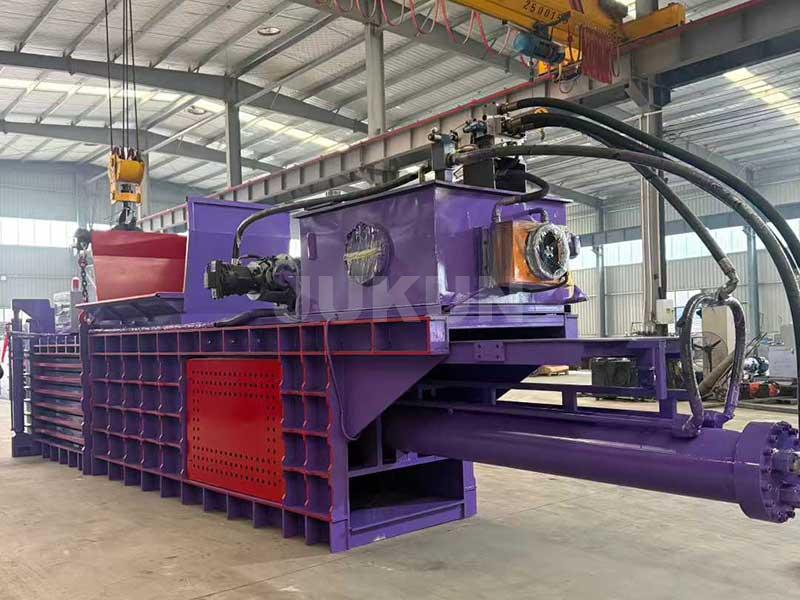
Evaluate daily waste type/composition, facility space, labor costs and revenue goals. Generally: choose balers for recyclables profit, compactors for non-salable waste disposal. Proper matching prevents costly mistakes.
Ultimate Selection Guide
Essential decision factors:
Choose a Baler If:
- Recycling cardboard/plastic/metal
- Reducing hauling frequency
- Maximizing warehouse space
- Generating revenue streams
- Seeking 3-5 year ROI
Choose a Compactor If:
- Handling restaurant/organic waste
- Processing non-recyclables
- Limited space for sorting
- Minimal recycling markets
- Immediate volume reduction needs
Jukun Advantage Checklist:
- 20+ years hydraulic engineering
- ISO/CE certified manufacturing
- -30°C low-temperature models
- Steel plate thickness: 12-30mm
- Hydraulic pressure: 16-25 MPa
- Canada-dedicated support team
Halton Region municipality chose Jukun balers: 28% reduced waste costs plus $56k annual revenue from cardboard bales.
Conclusion
For recyclable materials, balers deliver superior ROI through waste conversion to revenue. Match equipment to waste streams for maximum profitability and efficiency.