
Cardboard piles consume valuable warehouse space daily. Slow compression delays shipments. Labor costs climb as volumes grow. Heavy-duty cardboard balers fix these problems immediately.
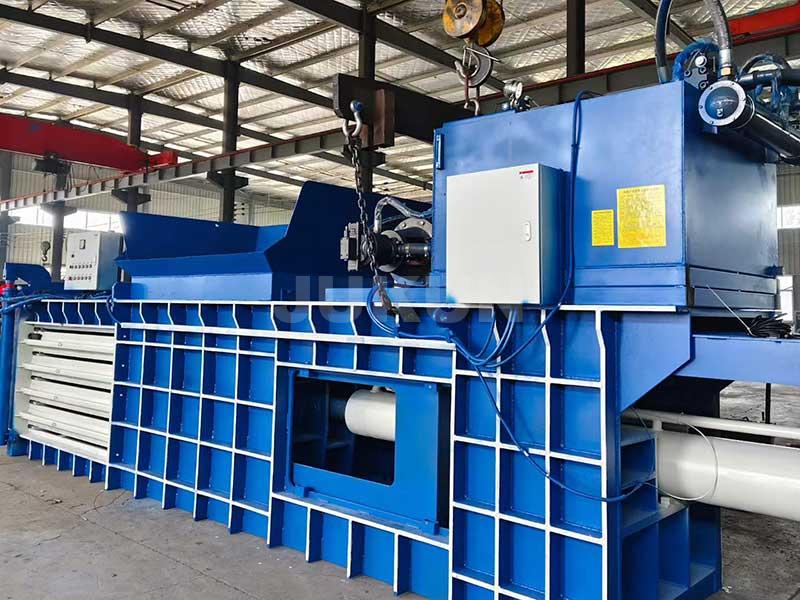
Heavy-duty cardboard balers are industrial hydraulic machines designed to compress large volumes of cardboard into dense, high-density bales for easier storage, handling, and transportation. They improve recycling efficiency by increasing throughput, reducing labor requirements, and lowering storage and transportation costs. When choosing a heavy-duty cardboard baler, consider processing capacity, automation level, bale size, machine durability, and available workspace to ensure the best performance for high-volume recycling operations.
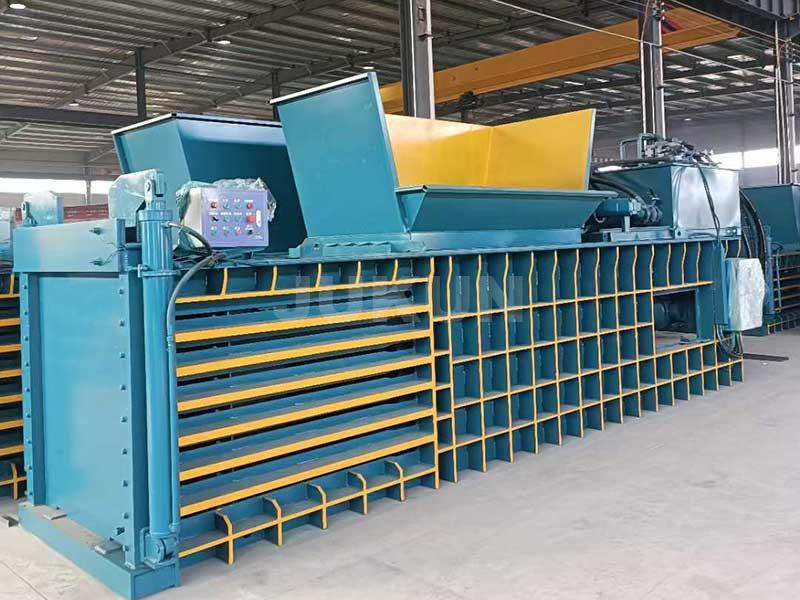
Choosing the right machine solves volume challenges. Discover key features and industries that benefit most.
What Is a Heavy-Duty Cardboard Baler?
Standard balers jam under heavy loads. Repair bills grow with daily breakdowns. Heavy-duty models deliver continuous performance for demanding operations.
It's an industrial hydraulic baling machine built for large-scale cardboard processing. Key advantages include greater compression force, bigger feed openings, faster cycles, and rugged durability versus standard models for non-stop recycling.
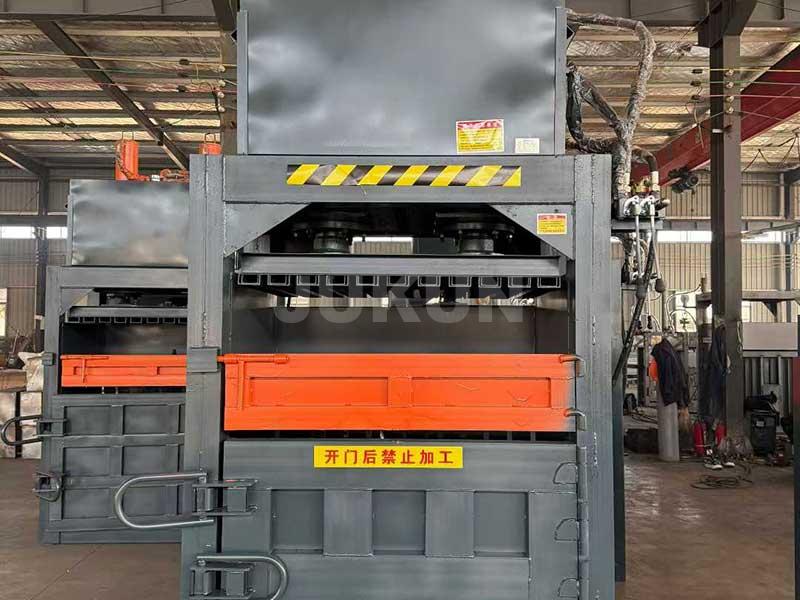
Why Industrial Design Matters
Three critical elements define true heavy-duty construction:
-
Structural Integrity:
- Minimum 25mm thick steel sidewalls (vs 10mm in standard)
- Double reinforced frames at stress points
- Earthquake-grade welds withstand vibration 24/7
-
Hydraulic Dominance:
- 50-200+ tons compression force (3X standard units)
- Oversized cylinders maintain pressure during peaks
- Heat exchangers prevent oil overheating
-
Capacity Features:
- Chamber sizes from 1.5m to 4m (length)
- Feed openings up to 1.8m wide
- Continuous conveyor feeding options
At Jukun, we subject every baler to 500+ test cycles before shipping. One model crushed 200 tons daily in a Korean plant for 18 months without downtime. All bearings are Japanese-made. Seals rated for extreme Canadian winters prevent leaks.
What Features Make a Heavy-Duty Cardboard Baler Ideal for High-Volume Recycling?
Downtime costs thousands per hour in recycling plants. Slow baling delays shipments. These features prevent profit leaks.
Essential features include high compression force (50+ tons), continuous operation, large feed openings (1.5m+), PLC automation, and durable hydraulic systems. Together they boost output while slashing labor and maintenance costs.
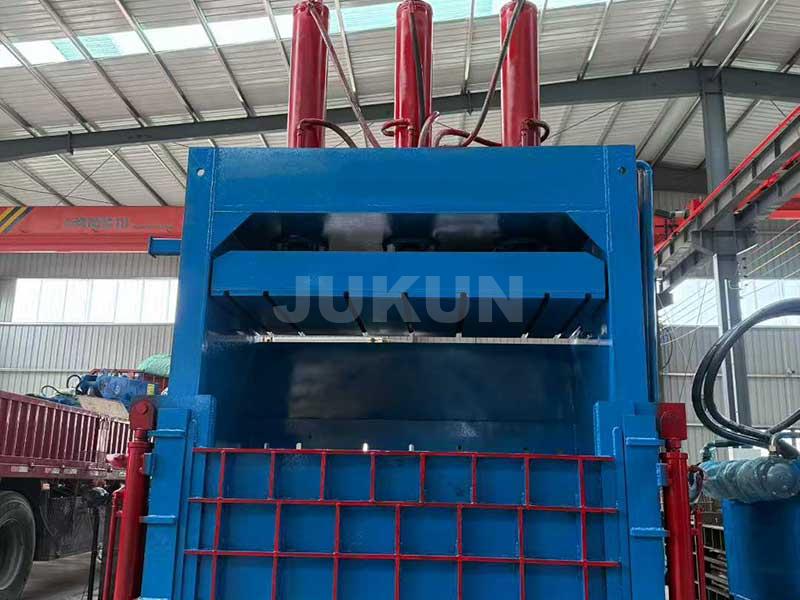
Performance That Pays Back Fast
Critical features directly impact your bottom line:
| Feature | Productivity Gain | Cost Reduction |
|---|---|---|
| Automatic Tying | 30% faster cycles | $8,400/yr labor savings |
| Large Feed Opening | Load bulky boxes whole | Eliminates pre-cutting labor |
| PLC Control | Fault alerts in seconds | 75% downtime reduction |
| Heavy Hydraulics | Consistent 200+ ton compression | 3 years longer lifespan |
| Continuous Feeding | Nonstop operation | $1,600/day output value |
Jukun's intelligent systems detect cardboard jams before damage occurs. Auto-lubrication cuts yearly maintenance by 50%. For recycling plant operator James in Texas, our baler doubled daily throughput while cutting overtime pay by 65%. Cooling fans prevent summer shutdowns.
Which Industries Benefit Most from Heavy-Duty Cardboard Balers?
Retail backrooms overflow daily. Manufacturing waste slows production lines. These industries gain measurable profits.
Daily cardboards volumes determine benefits: Recycling plants, paper mills, logistics centers, large factories, megastores, and distributors benefit most due to non-stop material flow where space equals money.
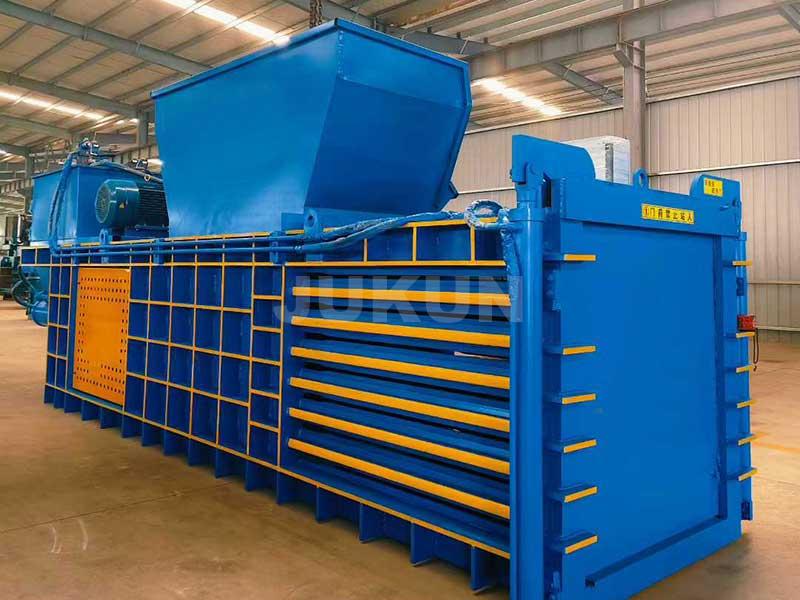
Sector-Specific Profit Drivers
How each industry extracts maximum value:
-
Recycling Plants:
- Process 100+ tons/day
- Auto-tie systems run 24/7 unstaffed
- Our clients achieve 6-month ROI periods
-
Paper Mills:
- Recycle OCC into new product
- 200+ bales/day requires durable equipment
- Jukun models skip pre-shredding
-
Distribution Centers:
- Space savings exceed $55,000/yr at 500,000 ft² sites
- Our compactors avoid sprinkler-obstructing piles
-
Supermarket Chains:
- Compress deliveries immediately
- Reduce collection trips 80% with denser bales
At Jukun, we adapt designs per industry. Food distributors get stainless steel parts for clean rooms. Port-side plants receive salt-spray resistant coatings. Case study: Canadian Loblaws saved $120,000 in haulage fees in 10 months.
How to Choose the Best Heavy-Duty Cardboard Baler for Your Business?
Choosing wrong wastes money on oversizing or causes shutdowns from underpowered units. A method prevents both.
Evaluate daily volume, bale size, automation needs, hydraulic quality, certifications, and supplier reliability. Quality hydraulics and direct manufacturers beat cheap prices long-term through lower downtime and higher lifetime value.
Cost-Smart Buying Guide
Smart choices balance capacity with budget:
-
Daily Volume Matching
- Under 5 tons → 50-75 ton force
- 5-15 tons → 100-150 ton force
- 15+ tons → 200+ ton auto systems
-
Critical Specs Checklist
- CE/ISO certifications verified
- Hydraulic oil temp below 65°C at peak
- Welds dye-tested for cracks
- Pressure curve stability graphs
-
Manufacturer Vetting
- Avoid trading companies
- Demand factory tour video
- Confirm onsite service availability
Jukun combats buyer risks:
- Fraud protection: Real-time video certification checks
- Shipping safety: GPS container tracking
- Payment security: Escrow holds payment until inspection passes
- Canada support: Vancouver technician visits in 72 hours
- Performance guarantee: 45-day refund window
Conclusion
Heavy-duty cardboard balers handle high volumes efficiently. Smart selection boosts recycling profits through space savings and labor reduction.