
Every day businesses struggle with overflowing recyclables. Wasted space cuts profits. Choosing wrong balers causes extra costs. This guide solves these problems fast.
A recycling baler is a machine that uses hydraulic pressure to compress recyclable materials such as cardboard, paper, plastic, and metal into dense, compact bales for easier storage, handling, and transportation. The main types include vertical balers, horizontal balers, closed-end balers, semi-automatic balers, and fully automatic balers. Choosing the right recycling baler depends on material type, waste volume, available space, and automation requirements to improve recycling efficiency and reduce operating costs.
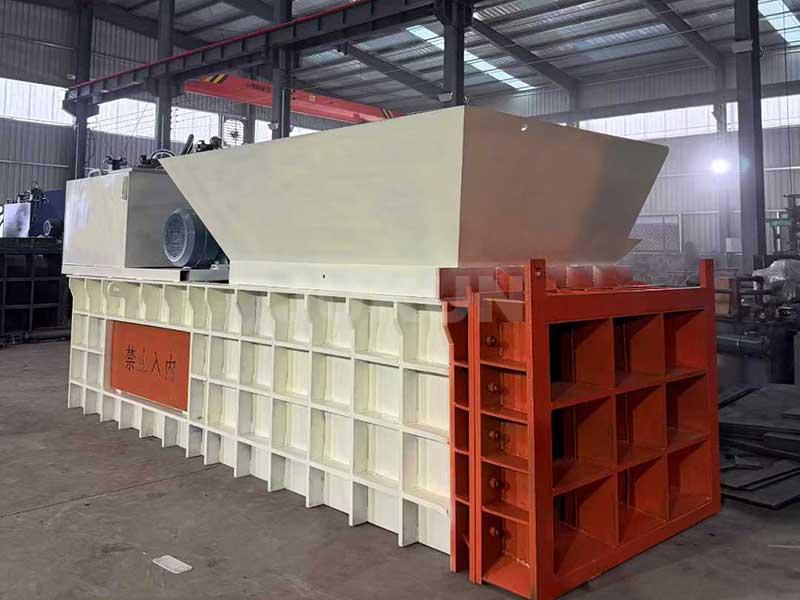
Finding your ideal baler becomes simple here. Learn key types and smart selection strategies step by step.
What Are the Main Types of Recycling Balers?
Businesses overload manual systems daily. Slow baling hurts profits. Knowing all baler types matches you with the right machine.
Main types include horizontal balers (high volume), vertical balers (space saving), semi-auto (balanced cost), fully auto (24/7 operation), closed-end models (cardboard specialization), and two-ram designs (heavy materials). Each solves different recycling challenges.
Key Designs and Their Real-World Fit
Each baler type serves specific operational needs. Understanding this prevents costly mismatches.
-
Horizontal Balers:
- Best Users: Large recycling plants, paper mills
- Core Strength: Processes 10+ tons daily
- Space Needed: 30-50m² floor area
- Jukun Advantage: Continuous feeding systems avoid jams
-
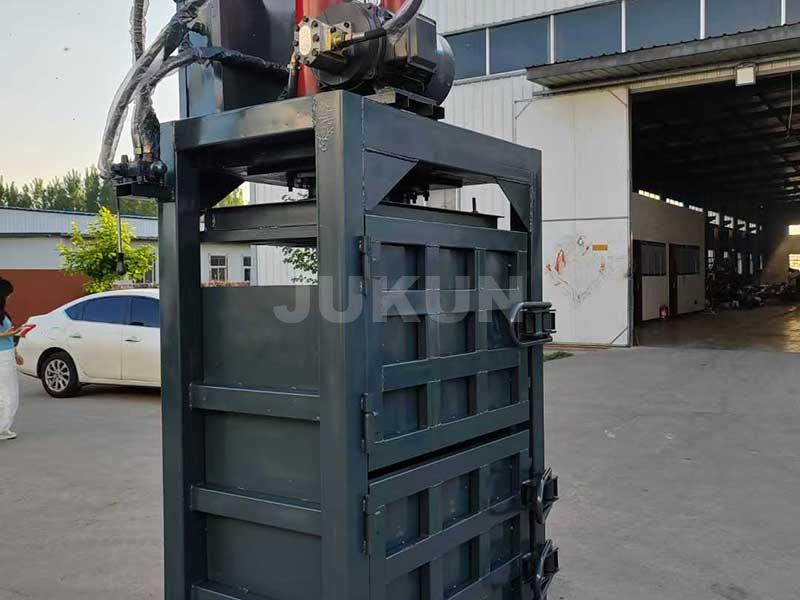
Vertical Balers:
- Ideal For: Supermarkets, small warehouses
- Space Saving: Fits in 10m² corners
- Operation: Manual loading lowers startup cost
- Special Build: Jukun adds reinforced chambers for metal shard protection
Automation Levels Comparison:
| Type | Operator Needed | Cycle Time | Maintenance Frequency |
|---|---|---|---|
| Manual | 1 full-time | Slow | Higher |
| Semi-Auto | Part-time | Medium | Moderate |
| Full-Auto | Oversight only | 90 sec/bale | Low |
Jukun customizes balers for extreme environments. Our Canadian models handle -30°C operations without hydraulic fluid freezing. Automatic lock systems prevent door failures during high-pressure cycles. Each machine undergoes 72-hour stress testing before shipping.
What Are the Differences Between Horizontal and Vertical Recycling Balers?
Mistaking these balers causes production bottlenecks. Vertical units get overwhelmed in large factories. Understanding differences optimizes workflow.
Horizontal balers handle high volumes with automation while vertical versions save space manually. Horizontal systems need more floor area but reduce labor costs significantly. Vertical balers suit smaller operations with tighter budgets.

Choosing Based on Operational Reality
Selecting between these requires honest assessment of your daily workflow.
Horizontal Balers Excel When:
- You process over 2 tons daily
- Space allows 40+ sq meter installation
- Bales must be uniform for premium resale
- Labor costs exceed equipment investment
Vertical Balers Win When:
- Space limits installation (under 15 sq meters)
- Daily volume stays below 1.5 tons
- Startup budget is tight (60% lower initial cost)
- Operators can monitor manual process
At Jukun, we demonstrate scenarios through video case studies. A grocery chain switched from vertical to horizontal: Their labor costs dropped 55%. Bale quality increased, raising cardboard revenue 18%. Our vertical models include automatic safety stops that protect workers during compression cycles.
Which Recycling Baler Is Best for Different Waste Materials?
Cardboard jammed in metal baler causes breakdowns. Plastic film slips through wrong chambers. Material-specific choices prevent disasters.
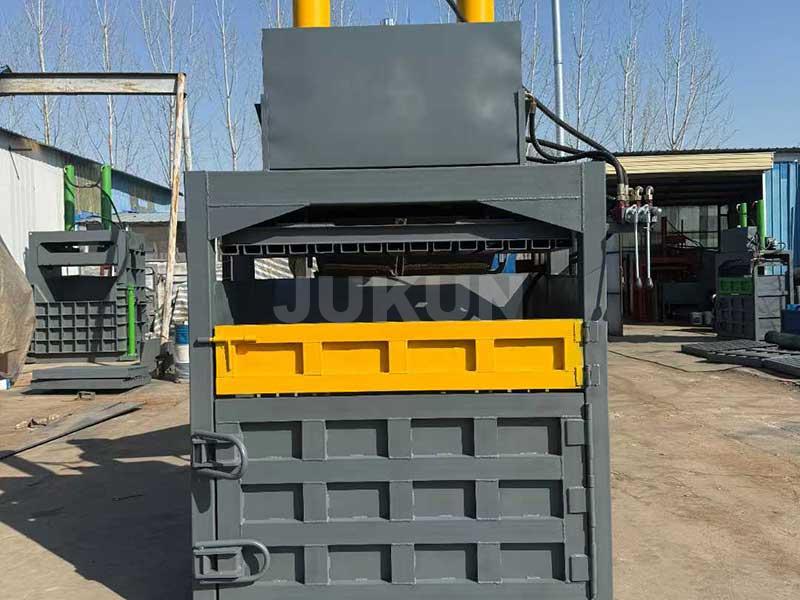
Match balers to materials: Vertical balers for cardboard and low-volume textiles; horizontal/automatic for plastic film/PET; closed-end designs for high-density cardboard; heavy-duty ram balers for cans and metals. Correct pairing prevents damage while boosting output.
Material Compatibility Matrix
Different materials demand unique features for dense baling. Here's field-tested matching.
| Material | Ideal Baler Type | Pressure Needed | Special Features Required |
|---|---|---|---|
| Cardboard | Closed-end Horizontal | 40-60 tons | Knife systems for wire cutting |
| Plastic Film | Auto-feed Horizontal | 20-40 tons | Anti-slip chamber coating |
| PET Bottles | High-density Press | 60-100 tons | Spike plates for air release |
| Aluminum Cans | Two-ram Baler | 120+ tons | Wear-resistant rams |
| Mixed Scrap Metal | Heavy-duty Ram | 200+ tons | Reinforced structural steel |
| Textiles | Vertical/Low Pressure | 30 tons | Dust extraction ports |
Jukun solves unique material challenges daily. For wet cardboard, we add drainage holes in chambers. For light plastic film, non-stick platens prevent material wrapping. Clients test material samples using our demo machines remotely to confirm performance before purchase.
How to Choose the Best Recycling Baler for Your Business?
Buying wrong costs thousands in retrofits. Underpowered balers choke during peak hours. Your ideal match blends current needs with growth plans.
Consider material types, daily volumes, bale sizes, automation levels, and supplier credentials first. Quality hydraulic systems and proven manufacturers matter more than lowest price for long-term savings and reliability.

Cost Comparison Beyond Purchase Price
Smart buyers examine lifetime expenses. Avoid false savings.
| Cost Factor | Cheap Equipment | Premium Machine |
|---|---|---|
| Energy Use | High consumption | $8k/year saved (on 10-ton system) |
| Repairs | Frequent downtime | <1% annual downtime |
| Labor | 2-3 operators | 1 part-time |
| Output Value | Lower resale prices | Premium bale quality |
| Life Span | 5-7 years | 10-15 year operation |
At Jukun Machinery, we combat common buyer pains. For delayed shipping fears: We offer departure port live tracking. For certificate fraud concerns: We provide video factory tours with ISO numbers visible. Payment terms protect deposits until pre-shipment checks clear. Canadian operators receive same-day technical support via WeChat video calls. Customized machines bypass unnecessary features - you only pay for needed functions.
Conclusion
Match baler type with material needs and output goals. Smart choices ensure better recycling profits through efficient operations.