
Farm waste overwhelms storage. Labor costs spike. Traditional methods waste valuable biomass that could create revenue if managed properly.
Heavy-duty horizontal balers provide the best solution by compressing straw, plastic films, and crop residues into dense transportable bales, reducing volume by 90% and creating sellable biomass products from waste.
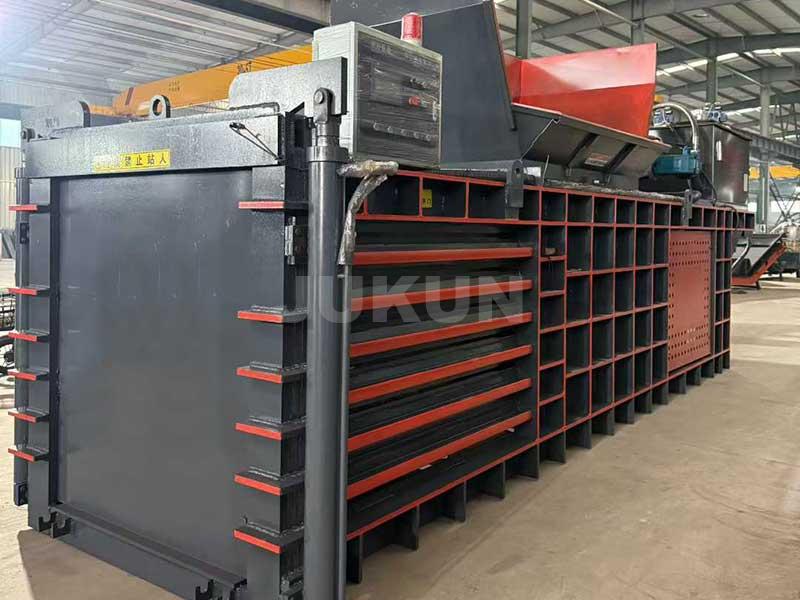
Experience how this innovation reshapes agricultural operations.
What Types of Agricultural Waste Can Heavy-Duty Balers Handle?
Open fields drown in residues. Plastic films tangle equipment. Untamed biomass blocks storage space vital for harvest seasons.
Heavy-duty balers process diverse agricultural waste: crop residues like rice husks and corn stalks, plastic mulch films, fertilizer sacks, cardboard packaging, and biomass materials for fuel production - all in one machine.
Material handling capabilities detailed:
| Waste Type | Processing Features | Proof |
|---|---|---|
| Crop Residues | Straw baling at 600kg/m³ | Wheat farm: 200 bales/hour |
| Plastic Films | Low-speed compression | No melt at 300 bar pressure |
| Packaging Waste | Wide 2000mm chamber | Feed bags processed whole |
| Biomass | Adjustable bale size | 50kg bales for pellet plants |
Nebraska corn farm evidence: Previously burned 300 tons of stalks seasonally. Our baler converts residues into 650kg biomass bales sold to power plants. Material adaptation: Special serrated blades slice through tough cotton stalks without jamming. Missouri dairy farm solution: Feed sacks now compressed with plastic wrap into composite bales increasing recycling value. Verification step: Conduct trial bales of your materials - we provide density reports showing 90% volume reduction.
How Do Heavy-Duty Horizontal Balers Improve Farm Waste Processing?
Manual collection wastes labor hours. Untreated plastics pollute fields. Loose residues decay before utilization.
Farm waste processing improves through continuous feeding systems handling 15+ tons/hour, automated compression cycles reducing processing times by 60%, and standard-sized bales enabling efficient stacking and transportation.
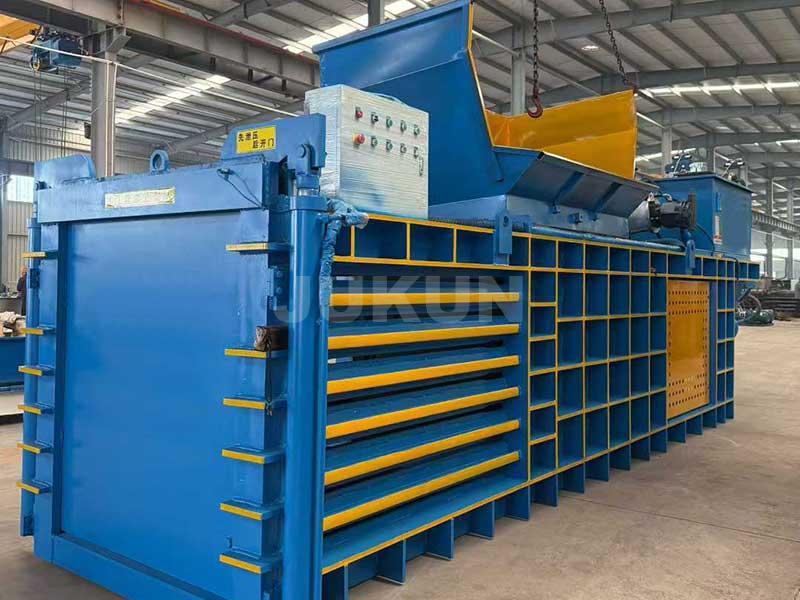
Processing improvements:
| Problem | Improvement | Documented Result |
|---|---|---|
| Slow Collection | Mobile balers field-deployed | 70% time reduction |
| Storage Chaos | Uniform 120x90x80cm bales | Storage needs halved |
| Material Loss | Immediate in-field baling | 100% residue capture |
| Labor Burden | One operator control | 75% staff reduction |
Idaho potato farm proof: Processing time decreased from 8 hours to 90 minutes daily. Hydraulic customization: Our systems adjust compression force automatically for wet rice straw versus dry wheat stalks. Critical integration: Balers connect directly to harvesters via conveyor attachments capturing residues immediately. Output validation: GPS-tracked units process 22 acres per hour.
What Cost Savings Can Agricultural Businesses Achieve?
Waste removal fees drain profits. Plastic disposal costs escalate annually. Untapped biomass represents lost revenue potential.
Agricultural businesses achieve 65% overall cost reduction: 50% lower transportation fees, 40% labor savings, plus new revenue streams from selling baled biomass and recyclable plastic bales.
Cost-saving evidence:
| Savings Area | Mechanism | Case Proof |
|---|---|---|
| Transportation | 90% volume reduction | 400-mile radius expanded |
| Labor | Requires 1 operator | $36,000/year saved |
| Waste Disposal | Elimination of fees | $28/ton avoided |
| Revenue Creation | Biomass at $60/ton | $18,000/season extra |
Iowa soybean co-op documented $120,000 annual savings. Key factors: Baled plastic mulch fetched $220/ton versus $150 disposal cost. Transportation breakthrough: 700kg bales fit 40% more biomass per truck than loose material. Profit verification: Our ROI calculator shows 14-month payback scenarios.
How to Select the Right Heavy-Duty Horizontal Baler for Agricultural Applications?
Wrong steel fails with corrosive residues. Standard hydraulics struggle with wet biomass. Incompatible designs waste time.
Select the correct baler through material moisture testing, verifying corrosion-resistant chambers, field-proven capacity, and manufacturer expertise producing farm-specific designs with moisture-resistant hydraulics.

Selection framework:
| Criteria | Agribusiness Requirement | Test Method |
|---|---|---|
| Material Specificity | 70% moisture tolerance | Wet sample trials |
| Environmental Proofing | Full weather protection | Request IP65 rating |
| Durability | HARDOX 450 steel chambers | Check thickness reports |
| Mobility | Towable under 6,500kg | Verify DOT compliance |
California winery avoided disaster: Our moisture sensors detected grape residue would jam standard balers. Validation practices: Inspect welding seams - farm models need 5mm reinforcements. Critical certification: Ensure CE-marked safety guards prevent injury during operation. Demand performance bonds: We guarantee 99% uptime during harvest seasons.
Conclusion
Heavy-duty horizontal balers convert agricultural waste into profits efficiently. Partner with agricultural specialists for maximum results.