
Manual waste processing slows profits. Storage space vanishes rapidly. Horizontal balers compress recyclables to solve both problems dramatically.
Horizontal hydraulic balers cut labor costs by 60-70% and transport expenses up to 50% through high-density compaction. Automation increases daily processing volume 5X while creating sale-ready bales.
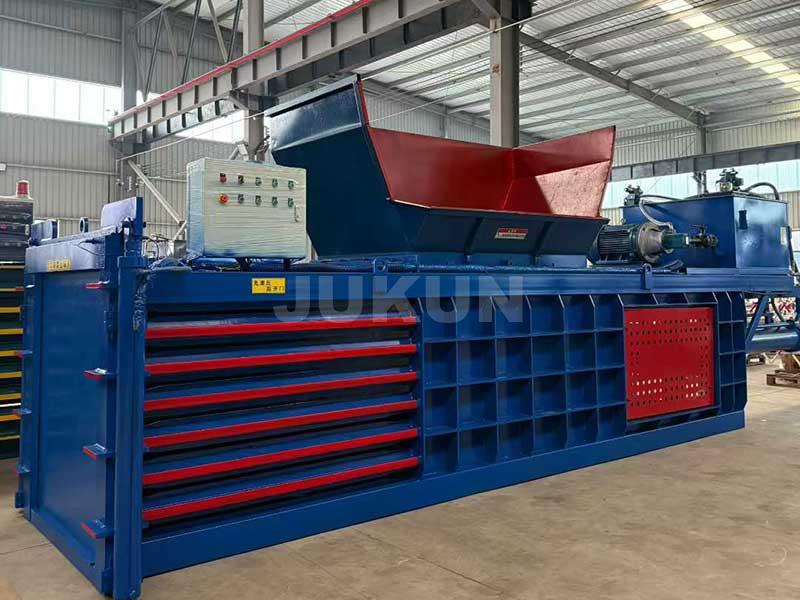
Unlock these operational savings immediately across your facility.
How Does a Horizontal Hydraulic Baler Work?
Feeding bottlenecks delay entire operations. Inconsistent bale sizes reduce resale value. Continuous automation ensures profitable outcomes.
Materials enter through conveyors/hoppers, undergo 280-bar hydraulic compression, get steel-strapped automatically, and eject as uniform bales ready for direct shipment or storage.

Breaking down the workflow:
| Stage | Function | Industry Standard |
|---|---|---|
| Feeding | Material intake | Conveyor speeds: 10-15 tons/hr |
| Compression | Density creation | Pressure: 220-320 bar minimum |
| Tying | Bale stabilization | Automated wire/steel strapping |
| Ejection | Output handling | Belt/pusher discharge systems |
Our clients like Vancouver recyclers proved this cycle: cardboard enters through overhead conveyors, hydraulic rams compress at 300-bar pressure (3X manual force), then auto-tiers apply six steel straps in 22 seconds. Each 1.2m x 0.8m bale weighs 500kg - dense enough for ocean shipping without repacking. Unlike vertical balers that require manual rotation, horizontal models maintain continuous flow: while one bale ejects, new material already feeds into the chamber. Hydraulic power matters most: our systems precisely control compression curves to prevent plastic bottle rupture or cardboard springback.
What Efficiency Improvements Can Hydraulic Balers Deliver?
Seasonal volume spikes overwhelm manual teams. Unplanned downtime devastates profits. Automated processes guarantee throughput stability.
Processing capacity jumps 400-800% versus manual methods. Automated baling runs 24/7 cutting bottlenecks while PLC systems maintain consistent bale specs meeting buyer requirements.
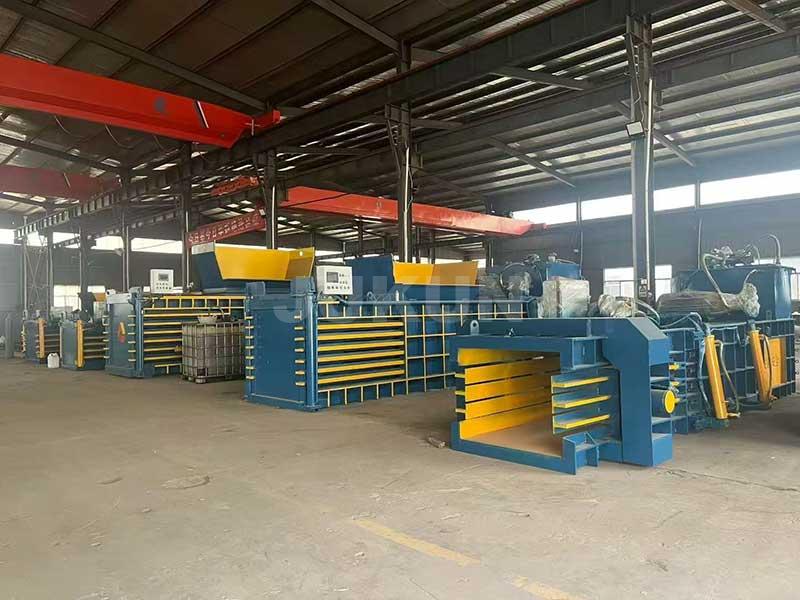
Key efficiency gains compared:
| Metric | Manual Handling | Hydraulic Baler | Improvement |
|---|---|---|---|
| Throughput | 0.5 tons/hour | 5-8 tons/hour | 10-16X |
| Bale Consistency | ±15% variance | ±3% tolerance | 80% gain |
| Downtime | 40% of shift | <5% weekly | 85% reduction |
| Space Utilization | 100% loose waste | 30% required | 70% savings |
Toronto recycling plant reports confirm: pre-baler, 6 workers processed 15 tons daily with overtime. Post-installation, 2 staff manage 80 tons in 8 hours. How? Conveyor integration moves cardboard directly from sorting to compression without intermediate stacking. PLC-controlled cycles maintain density tolerance within 3% - crucial when selling to paper mills demanding 450kg minimum bales. Our European facility achieved 98% uptime: temperature-monitored hydraulics auto-adjust oil viscosity during winter operations. Always verify speed claims: authentic balers complete full cycles (compression + tying + ejection) in under 3 minutes for OCC cardboard.
How Can Hydraulic Balers Reduce Labor and Operating Costs?
Staff turnover disrupts operations. Waste disposal fees drain budgets. Baling converts expenses into revenue streams.
Automation reduces labor needs by 3 workers per shift. Transport costs plummet 50% via denser bales while warehouse space needs drop 40% repurposed for production expansion.
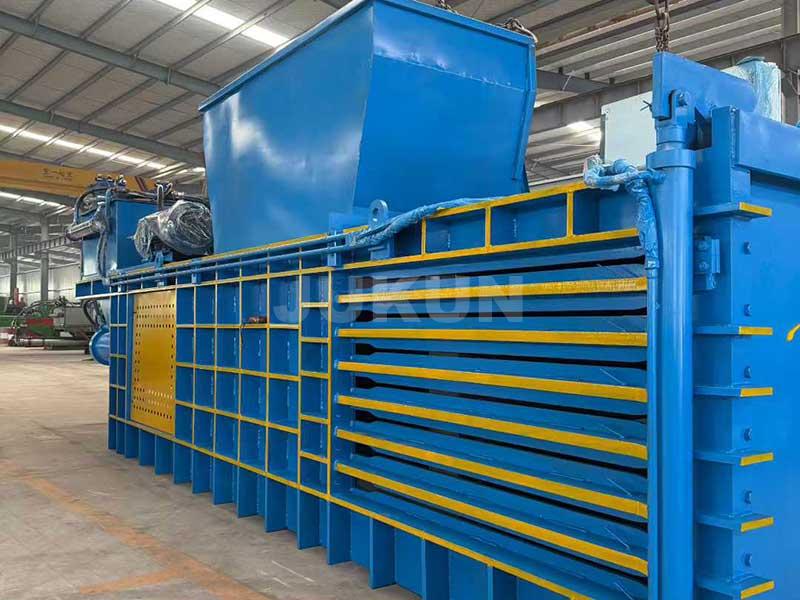
Cost transformation breakdown:
| Expense Category | Before Baler | After Baler | Annual Savings |
|---|---|---|---|
| Labor | $180,000/year | $60,000/year | $120,000 |
| Transport | $200,000 | $100,000 | $100,000 |
| Waste Charges | $50,000 | Revenue: $35,000 | $85,000 flip |
| Storage Space | 500m² required | 200m² used | 300m² freed ($30k value) |
Calgary packaging factory evidence: eliminated $7,500 monthly dumpster fees by compacting polyethylene film into saleable bales. Labor dropped from three full-time handlers to one technician supervising two balers. Transportation savings materialized immediately: their bales weigh 700kg at 650kg/m³ density versus previous 300kg loads - fitting 28 more bales per 40ft container. Storage space transformed: reclaimed 1,000m² previously holding loose plastic now hosts new production lines. Verify ROI: our calculators show most clients recover investment within 14 months via combined savings. Always demand case studies matching your material type - textile compaction differs significantly from metal shredding.
How to Choose the Right Horizontal Hydraulic Baler?
Mismatched equipment causes chronic jams. Underpowered hydraulics fail during peak loads. Proper selection prevents profit erosion.
Select balers with material-specific compression chambers and hydraulic systems exceeding minimum pressure by 15%. Prioritize manufacturers offering factory testing on your actual waste streams.
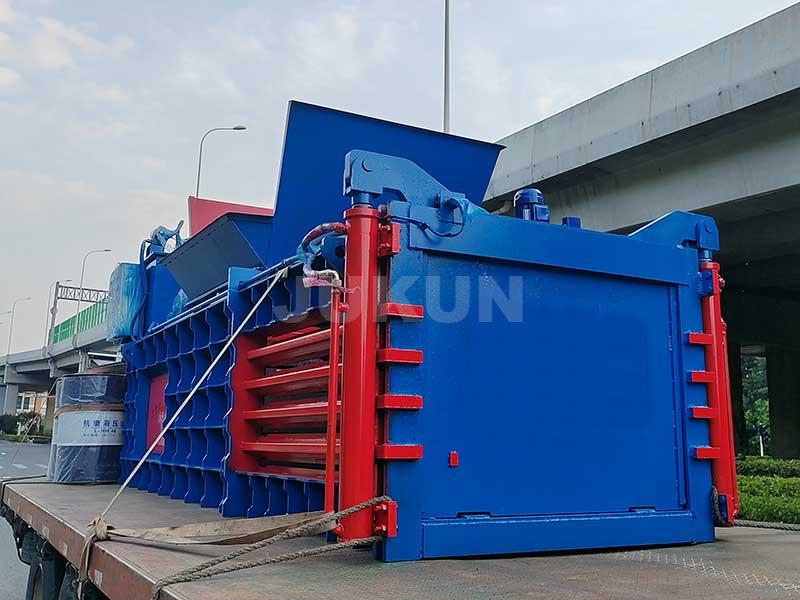
Critical selection framework:
| Factor | Requirement | Validation Method |
|---|---|---|
| Material Handling | Cardboard vs plastic settings | Live material demo videos |
| Hydraulic Reserve | 25-35 MPa capacity | Third-party pressure charts |
| Daily Throughput | 120% of current volume | Production shift simulations |
| Local Support | Spare parts within 72hrs | Warehouse access verification |
American recycler example: first vendor sent plastic balers jamming on aluminum cans. We provided dedicated metal compression chambers with reinforced rams and strain sensors. How? Material testing first: customer shipped 500kg samples to our factory for trial compaction. Automation matters: if processing >20 tons daily, insist on PLC-controlled auto-feed and dual-tie systems - manual options slow throughput 40%. Certifications provide benchmarks: our CE-compliant safety doors prevent $300k+ OSHA fines. Demand factory acceptance testing: reputable manufacturers prove capacity with customers' materials before shipment. We videorecord 8-hour continuous trials as evidence.
Conclusion
Horizontal hydraulic balers slash costs while boosting recycling revenue. Choose specialized manufacturers with material-specific experience.
Jukun Machinery: Customized Hydraulic Baler Manufacturer
WhatsApp